






When is the best time to move blueberry and boysenberry bushes?
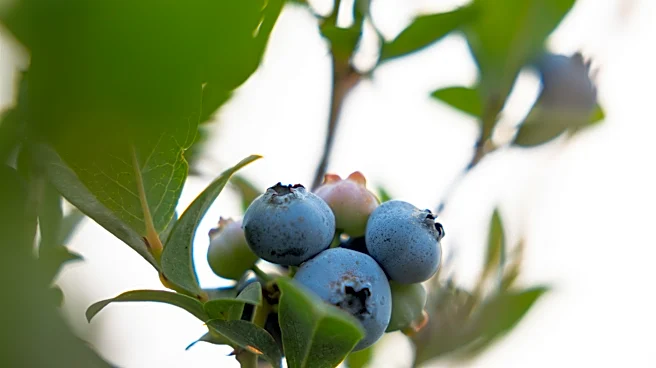
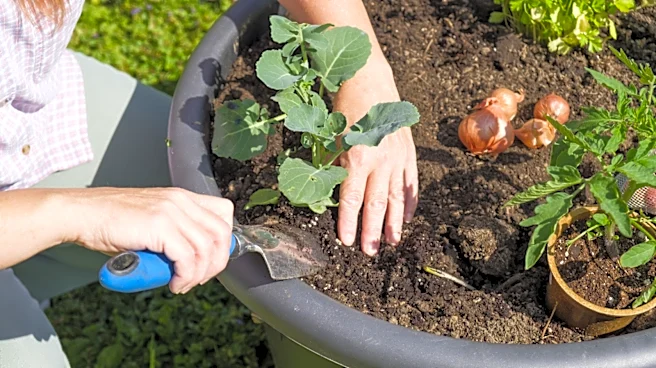
The best time to move all of these is when the plants are dormant, late fall (November) or early spring (late February to March), when the ground is not frozen. Blueberries have a shallow and compact root system and are easy to move, require full sun (at least 6 hours per day) and like acidic soil with pH between 4.8 and 5.2. Boysenberries prefer well-drained soil, full sun to partial shade and need to have old fruiting canes removed either before or right after transplanting. Both need to be planted at the depth as in the previous location.
When should I move asparagus?
Asparagus is best moved when dormant as well, late fall or early spring, either when all the ferns have died back in the fall or early spring before any spears begin to appear. Asparagus will require at least
8 hours of sun per day and thrives best when placed in a location where it can stay for at least 20 years. When digging, dig wide, at least 12 inches out, gently lifting the entire crown. When replanting, prepare a trench 6 to 8 inches deep, adding lots of rich compost. The crown should be set on a mound of soil, fanning the roots outward and any buds should be pointing upwards. The crown and roots should be covered with a few inches of soil and watered well.
Is a butterfly bush good for butterflies? Are they invasive?
That name is a misnomer, since the shrub really isn’t good for butterflies. Although they are beautiful shrubs and the nectar does attract butterflies to your area, the nectar is subpar nutritionally and the shrub is not a host plant for any species. To have a thriving population of butterflies and other pollinators, you must provide not only nectar plants, but also plants that are host to different species and provide shelter for both adults and their young. Butterflies are specialists, different species require various host plants to lay their eggs and to feed the caterpillars before they transform into the adult form. The more variety you can offer, the more varied butterfly population you will have. There are many better choices for your garden if you wish to attract and keep butterflies. Natives are best, good alternative choices for shrubs include buttonbush, New Jersey tea, and ninebark. Perennials that feed and host butterflies include butterfly weed, purple coneflower, blazing star (liatris), and many, many more. Although butterfly bush is not on the state noxious weeds list, it does seem to be naturalizing and spreading into wild areas, invading where it doesn’t belong.
My surprise lilies didn’t bloom this fall, although had leaves this spring. Why?
There could be many reasons for this, including the rough summer we have had, possibly that the leaves were cut back too soon in the spring, or that the winter was too warm for the bulbs to receive the chilling treatment they need for blooming later.
Readers can pose questions or get more information by calling 417-874-2963 and talking to one of the trained volunteers staffing the Master Gardener Hotline at the University of Missouri Extension Center in Greene County located inside the Botanical Center, 2400 S. Scenic Ave., Springfield, MO 65807.
This article originally appeared on Springfield News-Leader: Tips for replanting berry bushes and asparagus, attracting butterflies