






Why do I need to test my lawn soil in the fall?
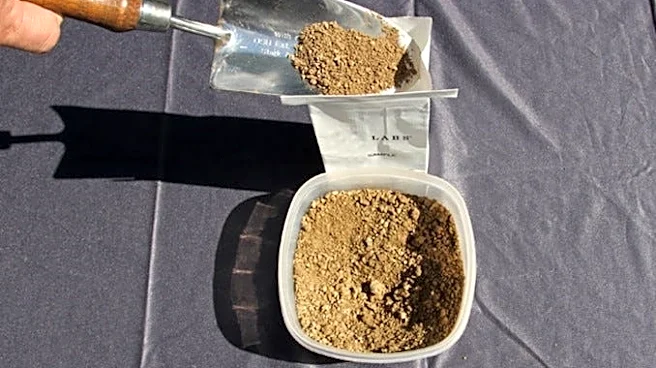
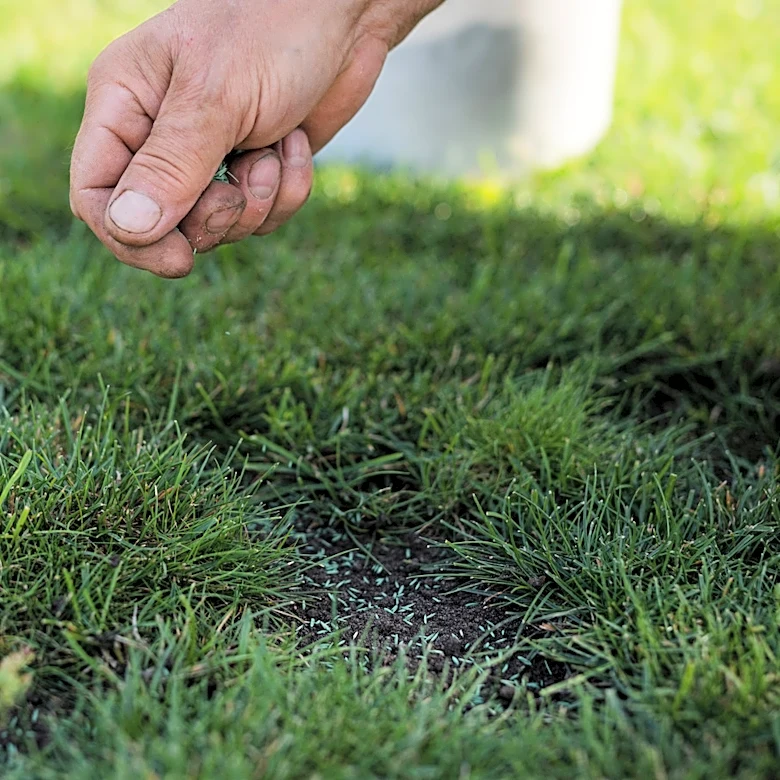
Soil testing can be done in the spring or fall, but the best time to test soil in your lawn in your lawn is fall, for several reasons. Testing the soil in the fall will give you a good picture of the nutrient levels and pH of your soil after a full growing season and will give you time to make any adjustments needed before spring. Why fall? This is a good time to make any needed adjustments to the pH, letting things settle over the winter and preparing the lawn to perform at its best when growing season starts. Due to better weather and soil conditions, it is often easier to obtain soil samples in the fall when the soil is moist but not wet or frozen. Fall is the best time to aerate, overseed and fertilize the lawn. Soil testing will show what
needs to be added at this time. Lastly, fall is good because the seasonal rush present in spring and summer has calmed down a bit, giving more time to concentrate on other matters. Fall is also a good time to test the vegetable garden for the same reasons, since there is very little time to do that testing in the spring before planting. MU Extension is a good source for specific regional suggestions.
Should I clean up debris from my garden in the fall? Why?
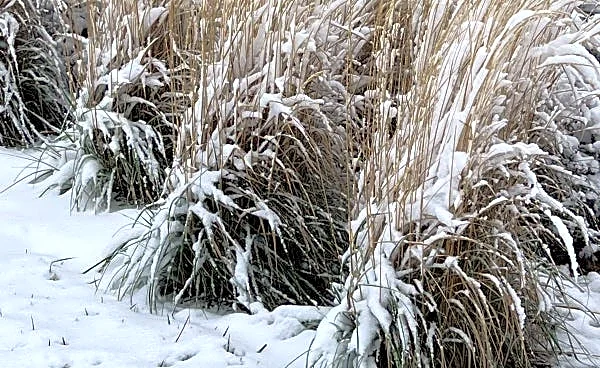
The answer to that is both yes and no. Since many pollinators and beneficial insects, both larvae and adults, winter over in leaf litter, hollow stems, and other debris, being too tidy in your yard will also result in throwing out many beneficials along with the debris, leading to fewer butterflies and others next year. In the vegetable garden, remove any diseased plant materials such as leaves, stems, and fruit, disposing of these in the trash and not in the compost. Pull any remaining weeds, especially before seeds drop. For the rest of the garden, healthy debris should be left to protect wildlife and the soil. Perennial stalks with hollow stems can be cut to 18 inches or so to provide a winter home for pollinators and other beneficials. Certain native plants, such as coneflowers and black-eyed Susan, should have the seed heads left on to provide winter food for many birds. Leaves should be left on flower beds to trap snow and help to insulate roots over the winter.
Can I use leaves, especially oak and sycamore, in my flower beds as mulch?
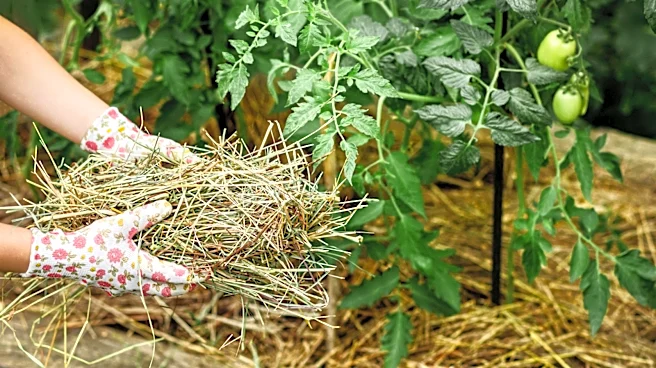
Yes, this is a good idea. Leaf mulch helps feed the soil, retains moisture, suppresses weeds, and regulates the soil temperature. For flower beds, it is best to shred the leaves first and apply at the right depth, about two to three inches deep. This mulch should not be applied deeply around flower stems or tree trunks. Oak and sycamore leaves are fine and will not significantly alter the pH of the soil.
Readers can pose questions or get more information by calling 417-874-2963 and talking to one of the trained volunteers staffing the Master Gardener Hotline at the University of Missouri Extension Center in Greene County located inside the Botanical Center, 2400 S. Scenic Ave., Springfield, MO 65807.
This article originally appeared on Springfield News-Leader: Expert tips for soil testing, debris cleanup and more fall garden prep