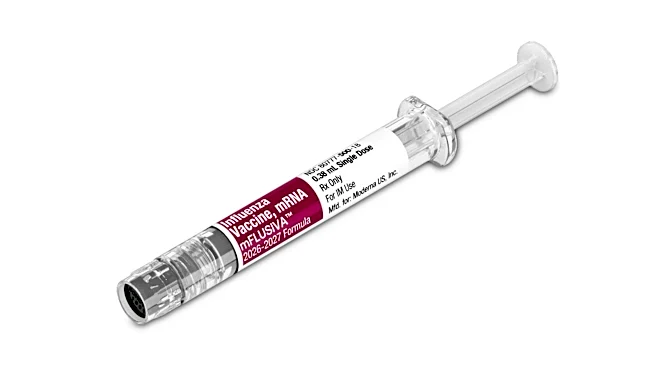




With kids back in school for nearly two months now, students will likely be bringing home more than just homework and projects soon — flu season is nearly upon us.
Respiratory illness season, which includes influenza, generally runs from November to March, according to Cleveland Clinic
. It can take two weeks to build immunity after receiving vaccines, so it's time to start thinking about getting your flu shot.When should you get vaccinated?
Most people who only need one dose of the flu vaccine can get it during September or October. It's recommended that people get their vaccine by the end of October but the vaccine still provides protection even if you don't get it until later in flu season, according to Mayo Clinic.
Who can get the flu vaccine?
Despite an executive order changing the recommendations
for vaccination, the Centers for Disease Control and Prevention are still following recommendations for flu vaccination from the July 2025 vaccination schedule: Everyone 6 months of age and older should get a yearly flu vaccine.
All shots this year are trivalent, which protect against three different flu viruses: two Influenza A viruses and an Influenza B/Victoria virus. People can also opt for a vaccine that is administered as a nasal spray, but not everyone can receive that vaccine.
For adults over the age of 65, the CDC recommends that they receive one of three vaccines, Fluzone High-Dose trivalent inactivated influenza vaccine, Flublok trivalent recombinant vaccine or the Fluad adjuvanted flu vaccine. Adjuvanted vaccines contain an ingredient that helps create a stronger immune response to the vaccination. Studies suggest that in people older than 65, those vaccines are more effective than the standard dose unadjuvanted vaccine.
If you are sick, you should hold off getting the flu shot until you're feeling better.
How does the flu vaccine work?
Flu vaccines contain dead flu virus or a single protein from the virus, which prompts your immune system to make antibodies to protect you from the virus. The nasal spray does contain weakened flu virus, but it will not make you ill.
I got the flu vaccine last year. Do I need it again this year?
Yes. Flu viruses change quickly, so last year's vaccine may not protect you from this year's viruses. Additionally, the immunity you develop from the flu vaccine wanes over time, according to MedlinePlus.
Can the flu vaccine give you the flu?
No. You might have some side effects from the vaccine, but it does not cause influenza. Common side effects include soreness, redness and/or swelling from the shot; headache; nausea; fever or muscle aches.
It is still possible to get sick from influenza if you've been vaccinated, but those illnesses are typically less severe. The CDC estimates that vaccination prevented 180,000 flu-related hospitalizations in the U.S. during the 2024-25 flu season.
Where can I get the flu vaccine?
You can make an appointment for a flu shot with your primary care provider or through a retail pharmacy like CVS, Walgreens, Hy-Vee or Walmart. The Springfield-Greene County Health Department also offers vaccinations by appointment for uninsured or underinsured adults. To make an appointment, call 417-864-1658.
Can I get the COVID-19 vaccine?
Yes, you can get the COVID-19 vaccine. There are no restrictions on who can get it and the CDC recommends it for all adults ages 18 and older. It is also recommended for children ages 6 months through 17 years who may be immunocompromised, and parents should discuss the vaccine with their health care provider for all other children.
What are other steps I can take to stay healthy this season?
In addition to getting the flu vaccine — even if this year's formula is less effective, some protection is better than none, according to the SGCHD — there are a few extra steps you can take to reduce your risk of getting sick.
The Mayo Clinic recommends that people:
- Wash their hands well and often with soap and water for at least 20 seconds. If they can't access soap and water, use an alcohol-based hand sanitizer with at least 60% alcohol;
- Avoid touching their faces;
- Cough or sneeze into a tissue or their elbow, and then wash their hands;
- Clean often-touched surfaces regularly;
- Avoid crowds when possible;
- Avoid people who are sick.
This article originally appeared on Springfield News-Leader: Flu shots available in MO as respiratory illness season approaches