



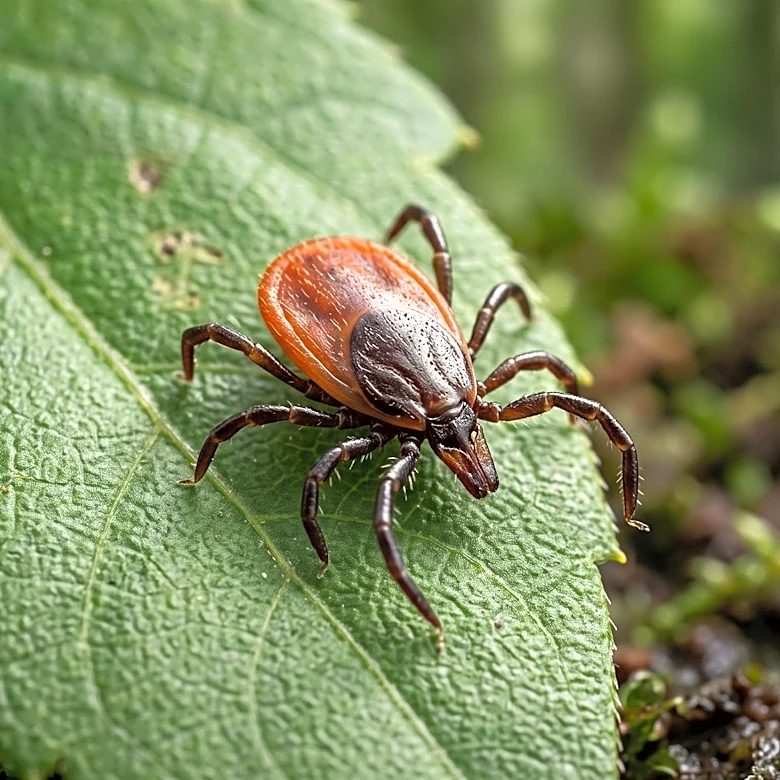





Two New York state parks recently ranked among the top three state parks in the nation for documented tick activity and tick-borne illness concerns, highlighting the growing prevalence of tick encounters and Lyme disease across the state.
The rankings were published by World Atlas, which evaluated parks based on documented tick activity, published research and firsthand accounts of infection.
Green Lakes State Park in Onondaga County ranked No. 2, while Harriman State Park in Rockland and Orange counties ranked No. 3. Only Pine Grove Furnace State Park in Pennsylvania ranked higher. Five of the 10 parks on the list are in the Northeast.
Why are ticks becoming a growing concern in New York?
The rankings come as New York continues to see significant tick activity. Lyme disease remains the most commonly
reported tick-borne illness in the state, with New York averaging more than 17,500 new cases annually over the past three years. Nearly 19,000 cases were reported in 2024 alone.
Researchers also are seeing changes in New York's tick population. Between 2024 and 2025, the number of ticks submitted to the SUNY Center for Vector-borne Diseases and Vector Biocontainment Laboratories increased 145%.
The laboratory also has reported seeing more lone star ticks and dog ticks in Central New York, where they previously were not commonly found. Deer ticks remain the most prevalent.
"The number of people who encounter ticks is increasing," said Saravanan Thangamani, director of the laboratory.
Why did Green Lakes and Harriman rank so high?
Green Lakes State Park's ranking was supported by research conducted by a SUNY Upstate Medical University laboratory team. Researchers collected and tested adult deer ticks at the park and confirmed the presence of infected ticks along its nearly 20 miles of trails.
The 2,030-acre park is known for its two glacial lakes and surrounding upland forests.
Harriman State Park, which spans more than 48,000 acres and includes roughly 200 miles of hiking trails, ranked third. World Atlas cited the park's large deer population and heavy visitor traffic as factors contributing to its high tick activity.
What makes Lyme disease a persistent concern?
The concern surrounding ticks largely stems from their ability to transmit diseases, particularly Lyme disease. The illness is most common in the Northeast, Mid-Atlantic and upper Midwest.
Symptoms can include fever, headache, fatigue and a skin rash known as erythema migrans. If left untreated, Lyme disease can spread to the joints, heart and nervous system.
Most people recover fully when Lyme disease is diagnosed and treated with appropriate antibiotics. Common treatments include doxycycline, amoxicillin and cefuroxime axetil, although some patients with neurological or cardiac complications may require additional treatment.
What do the rankings reveal about tick activity in New York?
The rankings of Green Lakes and Harriman underscore how widespread tick activity is across New York, particularly in areas with wooded trails, large deer populations and heavy outdoor recreation.
For people spending time outdoors, health officials recommend taking precautions to reduce the risk of tick bites, including wearing long pants and sleeves, staying on marked trails, checking for ticks frequently and performing a full-body tick check after returning indoors.
This article originally appeared on Rochester Democrat and Chronicle: Why 2 New York state parks are among nation's top tick hotspots