





An early-season nor’easter could bring strong winds, heavy rain, coastal flooding and beach erosion to parts of the Northeast, including New York, later this week.
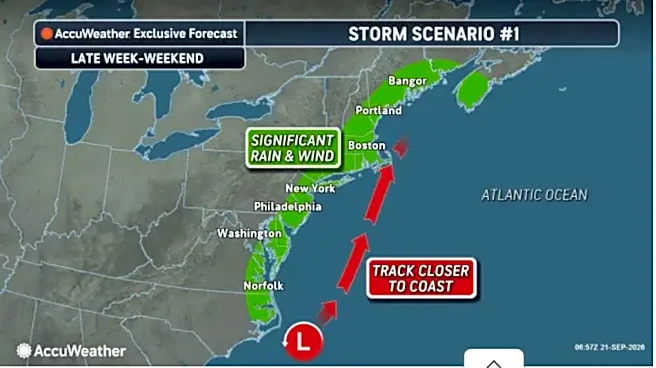
AccuWeather meteorologists are tracking a coastal storm expected to develop off the southeastern U.S. coastline. Stormy weather is expected to begin along the mid-Atlantic coast Tuesday and Wednesday before the system shifts north toward Long Island and eastern New England later in the week.
Depending on the storm's track and strength, it could bring damaging winds, heavy rain, coastal flooding and beach erosion from the mid-Atlantic into the Northeast. Damaging winds could also lead to power outages.
“This storm may be capable of producing tropical-storm-force wind gusts later this
week, but is not expected to organize into an official tropical entity at this time,” AccuWeather meteorologist Alyssa Glenny said in a news release. “Regardless of classification, rain, wind and coastal impacts would remain relatively the same, although there could be a localized swath of stronger wind gusts near the center of the storm's circulation.”
How will the storm impact New York?
New York's coastal areas could begin seeing gusty winds and rough surf Tuesday, with conditions expected to worsen later in the week as the storm develops and moves north.
On Tuesday and Wednesday, prolonged northeast winds are expected along the New York coast, with high surf, dangerous rip currents, beach erosion and some coastal flooding possible.
By Thursday, the coastal storm is expected to strengthen offshore. Winds and surf could increase along the New York coast as the system moves toward Long Island and eastern New England.
Friday into Saturday is the period to watch most closely for the strongest potential impacts, particularly on Long Island and other coastal areas. The National Weather Service said a strong low could develop offshore late Friday, with storm-force winds possible over the outer ocean Friday into Friday night.
The National Weather Service has said significant impacts are possible on Long Island late Friday into Saturday, although the storm's exact track remains uncertain.
For upstate New York, the timing and severity are less certain. A storm track closer to the coast could spread stronger winds and heavier rain farther inland, while a track farther offshore could limit the impacts across parts of the state.
“The track will highly influence the storm’s impact,” said AccuWeather meteorologist Alex Sosnowski. “The storm may wander out to sea for a time, then drift west and return closer to the coast later this week. More significant impacts will occur should the storm strengthen over open water and turn back toward the mid-Atlantic or New England coast, while less severe impacts would occur if the storm continued moving along rather than turning back toward the coast.”
The forecast remains subject to change as meteorologists get a better picture of the storm's track and strength.
What's a nor'easter?
Nor'easters are large, intense areas of low pressure that typically develop off the East Coast. These storms can occur at any time of year but are most frequent and most intense between September and April, according to the National Weather Service.
Nor'easters usually develop between Georgia and New Jersey, within about 100 miles of the coast, and generally move northeastward, reaching maximum intensity near New England and the Canadian Maritime Provinces.
They often bring heavy precipitation, including rain or snow, along with strong winds, rough seas and sometimes coastal flooding.
What's the storm's biggest threat?
Coastal flooding, strong winds and beach erosion are among the biggest potential threats from the storm.
AccuWeather said coastal flooding is possible from North Carolina to New York from Tuesday through Friday, particularly around high tide. The threat could persist along the northern mid-Atlantic coast and expand into southeastern New England over the weekend.
The full moon is also expected to raise tides, increasing the potential for coastal flooding during the storm.
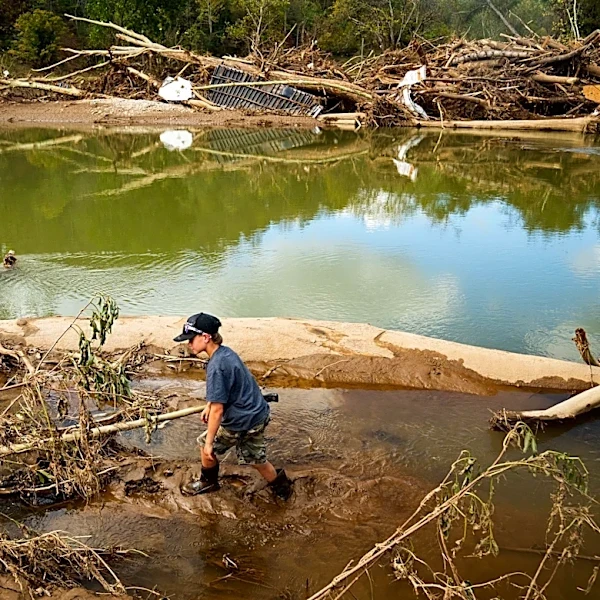
Heavy rain could contribute to urban or flash flooding, particularly in areas already soaked by recent storms.
Strong wind gusts could cause downed trees and power outages, especially closer to the coast.
Why is it called a nor'easter?
It’s called a nor’easter because of the direction of the prevailing winds during the storm. In these systems, winds along the coast usually blow from the northeast.
New York weather watches and warnings
The forecast remains subject to change as meteorologists get a better picture of the storm's track and strength. New Yorkers should check the latest National Weather Service forecast for their area as the storm approaches.
Contributing: USA Today Network
This article originally appeared on Rochester Democrat and Chronicle: Could a nor'easter hit New York? Forecasters warn of flooding, strong winds