



One detail to note in Rochester's temporary ban on late night group gatherings is that it includes grownups. The emergency order will extend to all residents and visitors ― not just the city's young people. What does that mean?
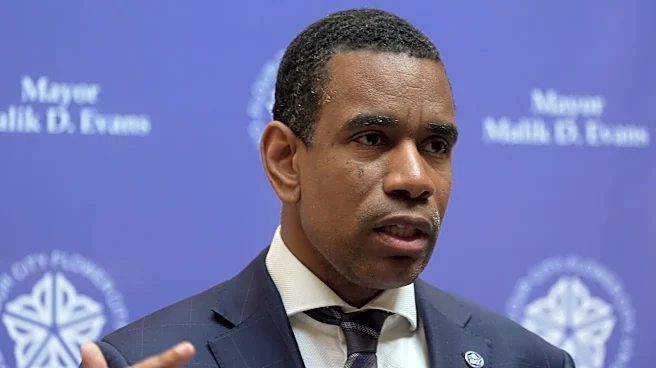
After a midnight shootout hours after the city's July 4 fireworks display, Rochester police and city officials blamed the violence on roving packs of teenagers and a lack of parental supervision. Mayor Malik Evans said his legal team was exploring a youth curfew. But the city has a difficult history with youth-only curfews.
At a July 23 news conference, Evans said a closer look at recent incidents found large crowds of adults were also contributing to late night trouble. "We had individuals who thought that they could turn
our public sidewalks into their own personal parties," Evans said. "... I think the community is calling for us to do something about it."

The ban will prohibit gatherings of 10 or more people in public spaces between 11 p.m. and 5 a.m. City officials said officers will first ask crowds to disperse and go home. Those that don't comply could be arrested on a class B misdemeanor charge.
The decision comes with at least two major festivals left on the season's calendar in Rochester.
Unlike a curfew, the order does not prohibit individuals from being out late at night. It applies only to groups of 10 or more people gathered in public spaces. The order includes exemptions for permitted events, demonstrations and certain emergency situations.
Is Rochester's gathering ban legal?
Previous attempts to clamp down on late night gatherings have been controversial. Patrick Beath, the city's top lawyer, said he believes this gathering ban will pass legal muster.
In 2009, New York's highest court knocked down a city curfew targeting teenagers, ruling it was unconstitutional because data at the time did not show juveniles were more often the perpetrators or victims of late night crime. Beath called it the "wrong fix."
A gathering ban is less restrictive, he said, but still allows the city to act on a documented public safety concern.
"It gives us the ability to break up those groups early, before they're 20 or 50 or 100 or 200 people and then they're just so hard to control, particularly when violence breaks out," Beath said.
The city was sued over a similar gathering ban in 2020 but a judge ruled the emergency order was "justified by significant governmental interests."
Rochester enacts gathering ban amid gun violence progress
The ban announcement came alongside more positive news July 23. Reported violence in Rochester overall continues to decline:
- 59 people were struck by gunfire in the first six months of 2026, the lowest recorded total in 15 years.
- 6 people have been killed, including one fatal shooting.
- Several months saw the lowest reported number of shootings in many years.
Still, Evans defended his decision to extend a gun violence state of emergency and enact the overnight gathering ban amid the progress.
"In this new quarter, this new month ― in July, when we had eight people ending up in local emergency rooms ― it shows that this work is constantly under attack," he said. "That we cannot stop."
— Kayla Canne covers community safety for the Democrat and Chronicle with a focus on immigration, police accountability, government surveillance and how people are impacted by violence. Follow her on Instagram @bykaylacanne. Get in touch at kcanne@gannett.com.
This article originally appeared on Rochester Democrat and Chronicle: Rochester gathering ban targets all ages ― not just teens. Here's why.