
Nearly seven years have past since Cornell University student Antonio Tsialas was found dead in an Ithaca gorge, but an attorney for his family believes circumstances in that case remain relevant today
as a sexual assault investigation grips the Ivy League campus.
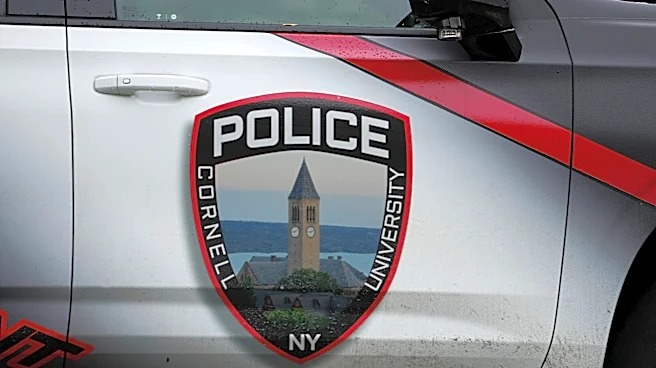
Shortly before his death in 2019, Tsialas, an 18-year-old freshman, had attended a fraternity party on campus where alcohol was present. The Cornell University Police Department handled the investigation and Tompkins County District Attorney Matthew Van Houten declined to pursue any criminal charges, igniting outrage among some in the community who were concerned that more wasn't done at the time.
These are all elements that David Bianchi, the attorney the Tsialas family hired in the wake of their son's death, says coincide with the latest Cornell fraternity-related case where a recently filed civil lawsuit details an alleged gang rape that took place on the university's campus in 2024.
“Why isn’t Cornell doing a better job of monitoring what’s going on in these fraternities so that sort of conduct is not taking place?" Bianchi questioned in a recent exclusive interview with the USA TODAY Network.
"It was taking place seven years ago in the Tsialas case ... And it doesn't sound like anything's been done to really curtail it," he added.

What the latest Cornell lawsuit alleges
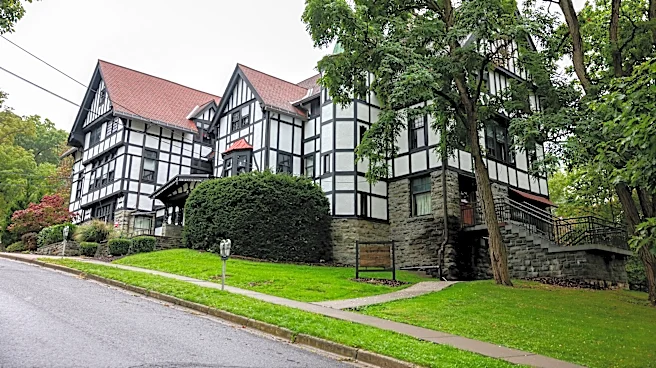
The latest lawsuit against the university, which has grabbed national attention, alleges seven members of the Xi Chapter of the Chi Phi Fraternity on Cornell's campus sexually assaulted and raped a then 20-year-old woman inside the fraternity house in October 2024. The woman, who is referred to by officials as Jane Doe, reported the incident several weeks after it occurred, but no criminal charges were filed.
Jane Doe was a full-time undergraduate student attending Cornell and living at the Alpha Beta Chapter of the Tri-Delta Sorority's house on the university's campus at the time of the alleged incident, according to the lawsuit, which was filed in New York County Supreme Court on Sept. 14.
The lawsuit alleges multiple Chi Phi members then sexually assaulted and raped the victim for several hours.
The incident became public knowledge on Cornell's campus the following day, the lawsuit specifies, and Jane Doe reported it to the Cornell University Police Department on Nov. 8, 2024, the lawsuit notes. The Xi Chapter was placed on temporary suspension as well as the seven members alleged to be involved," the lawsuit adds.
Cornell handling of hazing, sexual assault cases, is problematic, attorney says
Cornell has released limited details about how they disciplined those involved in the Jane Doe case, asserting a federal privacy law "prohibits Cornell from disclosing specific information regarding individual students."
The university took the same approach in the Tsialas case, according to Bianchi. He asserted that the university is hiding behind the law and explained that they can publicly specify how many students were expelled or suspended "as a way to inform the public about how serious they are about wanting to protect students from this sort of behavior."
The New York Times has also reported on some more aspects of the disciplinary outcomes in the Jane Doe case, citing records it obtained that summarize the matter.
Bianchi also says Cornell's disciplinary process takes too long, and if Cornell wants to prove they've changed, they should make it known that an expedited investigation will take place.
“By the time that whole process plays itself out, many of these students have graduated," he said. "And then, all of a sudden, these university disciplinary charges are meaningless.”

He takes issue with university police investigating these cases as well, saying it's a factor he thought about while working on the Tsialas case.
“If the university failed to do things that would have protected these students, and you’re asking the university police to investigate that to see whether or not it’s true," Bianchi says, "you wonder whether or not they’re going to feel conflicted in some way, and perhaps you’re not going to get a full and thorough and complete investigation."
While not uncommon in the hazing cases he's handled, it would look better if the university police wasn't the lead department, he added. And even though university police can collaborate with other agencies in these investigations, they generally have fewer resources than larger departments, according to Bianchi.
What has happened since the lawsuit was filed?
In the weeks since the Jane Doe lawsuit was filed, state lawmakers have been increasingly vocal about their concerns of how the Jane Doe case was initially handled.
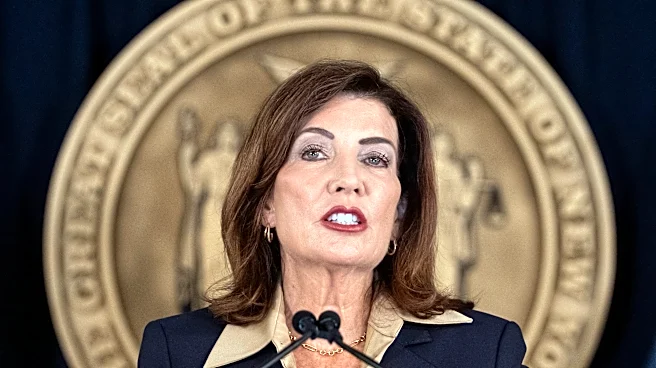
New York Gov. Kathy Hochul named state Attorney General Letitia James the special prosecutor on the case last week, removing Van Houten, after she says newly released information has raised questions about how the case was handled by law enforcement, prosecutors and the university. Both the university and Van Houten have expressed their support of the change.
Hochul also said that she will work with the state Legislature to close the "voluntary intoxication loophole" in the state's rape law. And a group of New York Assembly members have been assigned to revisit the state's sexual assault laws to be considered in the 2027 legislative session.
Tsialas attorney says Jane Doe case might have been prevented if DA was 'more aggressive'
University police, which led the investigation into Tsialas' death, ruled it accidental due to a fall from a height as classified by the medical examiner. However, the Tsialas family's civil lawsuit, which ended with a settlement in 2020, claimed a Christmas-themed hazing ritual played a role in Tsialas' death.
While Van Houten is no longer in charge of the Jane Doe case, he was the same prosecutor tasked with determining if Tsialas' death warranted criminal charges. At the time, Van Houten “indicated he did not believe the case met the elements of a hazing charge,” and he decided to allow the university to criminally punish any students involved in serving alcohol to minors.
As for potential charges against the fraternity as a corporation, Van Houten “indicated he did not feel that such charges would be in the interest of justice,” adding he noted the likelihood the university would ban the fraternity was appropriate. Cornell permanently revoked the recognition of the Phi Kappa Psi fraternity on its campus after Tsialas' death.
However, Bianchi says if Van Houten had "been more aggressive" in the Tsialas case, "it would have sent all the right messages to the Cornell community," and might have prevented what happened to Jane Doe.
“And here we are now, seven years later, and very bad things are still happening in fraternity houses at Cornell,” Bianchi added.
As part of the civil lawsuit settlement, which involved Cornell paying an undisclosed amount of money to Tsialas' family, the university set up a perpetual scholarship in the memory of Tsialas that is awarded to one incoming Cornell freshman each year, USA TODAY Network previously reported.
In addition to the payment to the family and the scholarship, Cornell also agreed to name its hazing prevention week activities in honor of Tsialas, the reporting added.
When asked whether he hopes the Jane Doe case incites change, Bianchi reflected on his life's work.
“When you’ve spent so many years trying to make positive change in the hazing culture in our country, the only thing that keeps me going is hope," he said. "So, I do hope that there will be something good that can come out of this and maybe people will behave differently in the future, but honestly, I’m not very optimistic."
Emily Barnes covers state government for the USA TODAY Network-New York with a focus on how policy and laws impact New Yorkers' taxes, communities and jobs. Follow her on Instagram or X @byemilybarnes. Get in touch at ebarnes@usatodayco.com.
This article originally appeared on Rochester Democrat and Chronicle: Lawyer in Cornell student death case sees parallels with Jane Doe case