



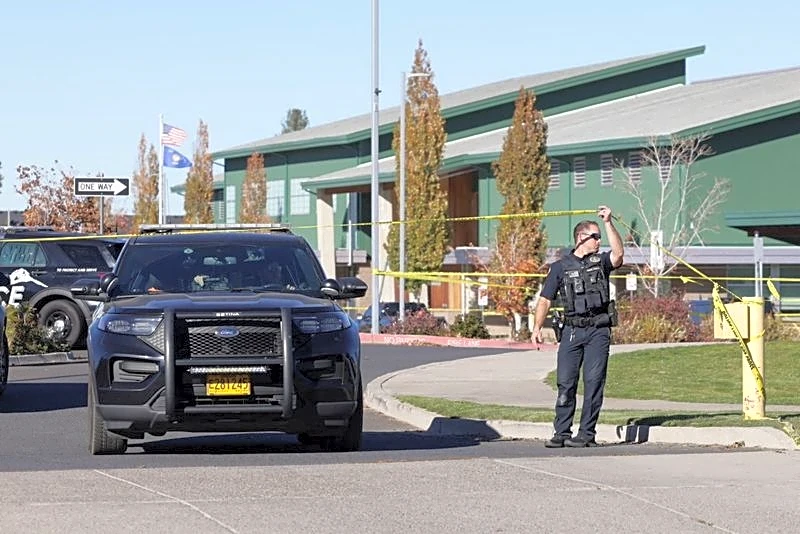



In the aftermath of a devastating fire in Downtown Canandaigua last weekend, the union representing city firefighters is renewing a push for increased manpower and encouraging members of the community to support more staffing, but city government is pushing back on some of the union's characterizations.
Theearly-morning Oct. 11 fire, which resulted in the indefinite closing of the new Latitude 43 restaurant, saw four Canandaigua Fire Department members respond to the scene initially, according to a social media post from Canandaigua Professional Firefighters I.A.F.F. Local 298.
The union described it as a "severe lack of personnel,"in the post dated Oct. 14.
Several other fire departments were also called to the scene as the incident unfolded.
No injuries were reported. A cause of the fire has not been released.
In a press release, the fire department thanked everyone who responded.
“Fire crews did an outstanding job managing this complex incident, demonstrating exceptional professionalism, teamwork and dedication throughout the response,” the department posted. “Their coordinated efforts were instrumental in mitigating the incident and protecting the community.”
City Manager John Goodwin did likewise, praising in a prepared statement Canandaigua firefighters as well as city police officers and all the responding agencies for their efforts at this "significant incident," adding "firefighters and police officers responded professionally and effectively under challenging circumstances."
"By every measure, the response to this fire was a success," Goodwin stated. "The fire was contained to the area of origin, there were no injuries to residents or emergency responders, and a potentially devastating incident was brought under control without a significant loss of property. These outcomes should not be overlooked or minimized."
Why is the Canandaigua firefighters union upset?

NFPA 1710, which is the standard for the organization and deployment of fire-suppression operations, emergency medical operations, and special operations to the public by career fire departments, recommends an initial response of 28 firefighters for a call of this size and "medium hazard risk" level to safely attack the fire, conduct rescues, establish a water supply, and manage the scene safely, the union shared in its post.
The four responding firefighters were "forced to make impossible choices and perform multi-person tasks completely alone," according to the union post.
That included forcibly entering the building, searching for potentially trapped occupants and running fire hose lines, with no one to command outside the building and monitor safety or operate the pump and aerial ladder truck, according to the union.
The Canandaigua firefighters stepped up and performed "heroic efforts under extreme odds," the union said, but four firefighters cannot safely do the job of 28.
"Relying on critically low staffing puts lives at risk — both the residents trapped inside and the firefighters trying to save them," the union stated. "Proper staffing isn't just a number on paper — it's the difference between life and death."
What is the city of Canandaigua's response to union claims?
The city, which Goodin noted has more career firefighters on duty than any other municipality in Ontario County, commissioned an independent evaluation by the Center for Public Safety Management because firefighter safety, staffing and deployment require objective analysis.
The study recommended a phased-in increase of firefighters, with the roster at 20. These investments represent a substantial financial commitment by City Council and Canandaigua taxpayers to maintaining a professional, capable fire department, Goodwin stated.
The city will continue to evaluate recommendations, establish priorities and develop a plan that strengthens public safety without imposing costs that taxpayers cannot sustain, Goodwin stated.
Goodwin said the union's statement fails to adequately recognize the role of mutual aid in modern fire protection, Goodwin said.
"No municipality of our size can reasonably be expected to independently staff every potential emergency scenario, particularly a major commercial or multifamily structure fire requiring a second or third alarm," Goodwin said. "That is precisely why mutual-aid agreements exist and why departments throughout Ontario County and across New York state rely on them."
Goodwin added that it's important to distinguish between national consensus standards and the actual staffing and deployment models used by smaller municipalities.
"I believe it is important to distinguish between legitimate discussions about staffing and public statements that may unnecessarily alarm residents," Goodwin stated. "Firefighting is inherently dangerous, and there will always be incidents that require resources beyond those immediately available in any single department. Suggesting that the community was inadequately protected simply because additional resources were requested does not accurately reflect how our regional fire protection system is designed to operate."
What happens next?
The city will continue to support its firefighters, invest in public safety, and make responsible staffing decisions that balance operational needs with the financial realities of the community, Goodwin stated.
As city officials and City Council begin preparing its 2027 budget, the firefighter union is encouraging residents and business and property owners to speak out.
"When a fire happens, our community needs firefighters who can respond safely and effectively," a second union post dated Oct. 15 read. "Our firefighters need the staffing and support to protect lives while also protecting their own."
Mike Murphy covers Canandaigua and other communities in Ontario County and writes the Eat, Drink and Be Murphy food and drink column. He can be reached at mmurphy@messengerpostmedia.com. Follow him on X at @MPN_MikeMurphy.
This article originally appeared on Rochester Democrat and Chronicle: Canandaigua firefighters union says staffing fell short at major fire. City responds