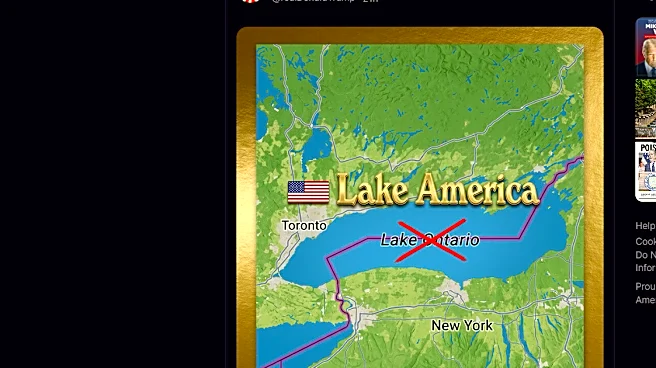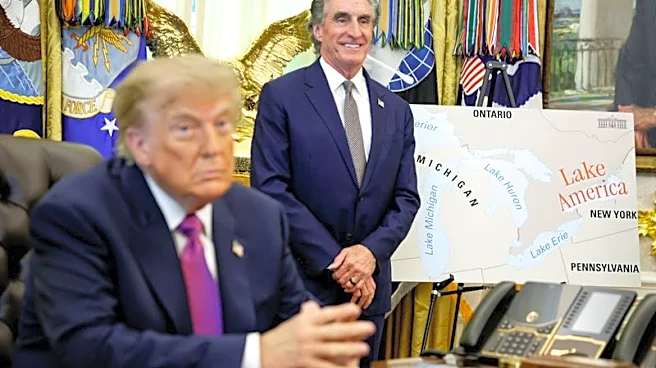



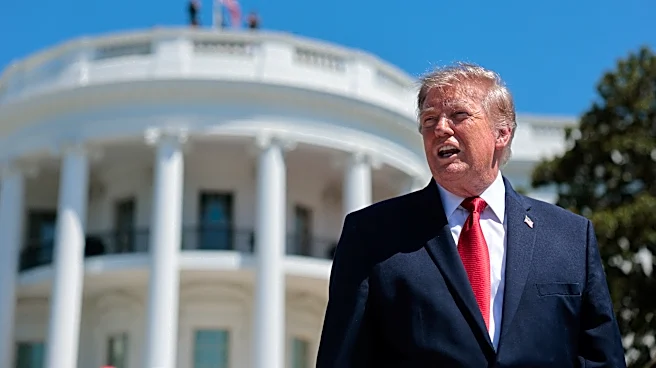
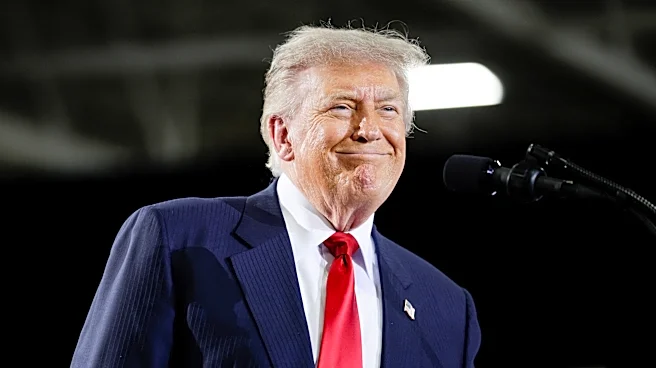
President Donald Trump signed an executive order Thursday directing the federal government to rename Lake Ontario as "Lake America."
The order comes as tensions between the United States and Canada continue to rise over trade. It requires federal agencies to use "Lake America" on official maps, contracts and other documents.
The change applies only to the U.S. government. Canada is not required to recognize the new name, and Canadian officials have said they will continue to call it Lake Ontario.
Lake Ontario is the smallest of the five Great Lakes by surface area and forms part of the international border between New York and Ontario, Canada.
Here are 10 facts to know about the Great Lake at the center of Trump's latest executive order.
10 facts about Lake Ontario
- Lake Ontario is the smallest of the five Great Lakes by surface area, covering about 7,340 square miles. It is the second-smallest Great Lake by volume, holding about 393 cubic miles of water, according to the National Museum of the Great Lakes.
- Lake Ontario forms part of the international border between the United States and Canada, with much of its southern shoreline in New York.
- Toronto, Canada's largest city, sits along Lake Ontario's northwestern shore.
- Despite being the smallest Great Lake by surface area, Lake Ontario is deep. Its deepest point is about 802 feet, while its average depth is about 283 feet.
- Lake Ontario was formed thousands of years ago as glaciers carved the Great Lakes basin during the last ice age.
- The lake is home to numerous islands and connects to the St. Lawrence River, which carries water from the Great Lakes toward the Atlantic Ocean.
- Lake Ontario's drainage basin covers about 72,500 square kilometers and includes portions of both the United States and Canada.
- The lake supports a diverse ecosystem, including numerous species of fish, birds, plants and other wildlife.
- Lake Ontario has long played an important role in regional shipping and transportation, with major ports in cities including Toronto, Hamilton and Rochester.
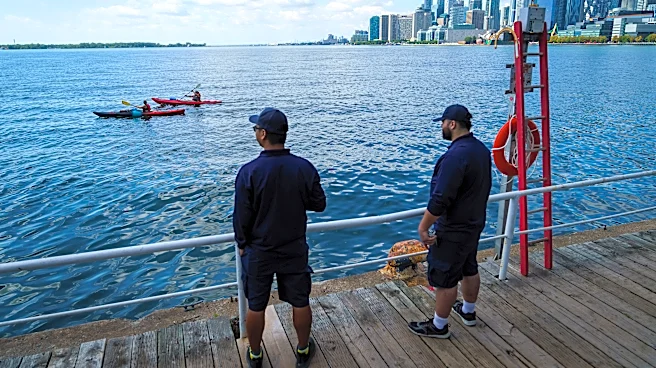
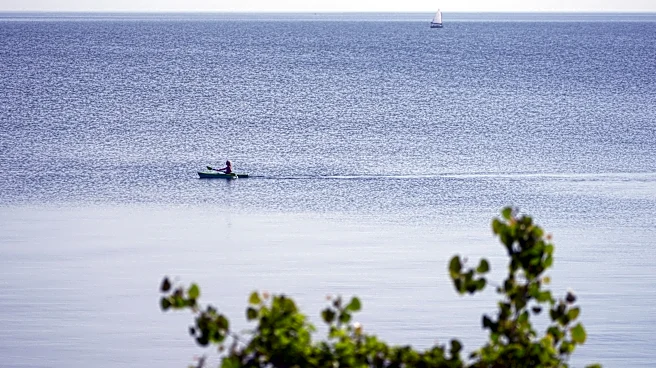
- The lake is a popular destination for boating, fishing, bird-watching and swimming, with parks and beaches along its shores, according to the National Museum of the Great Lakes.
Trump signs Lake Ontario renaming order
President
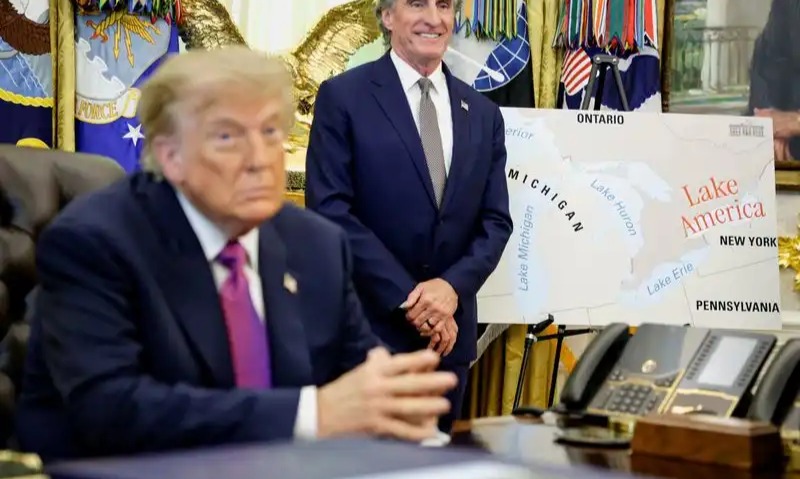
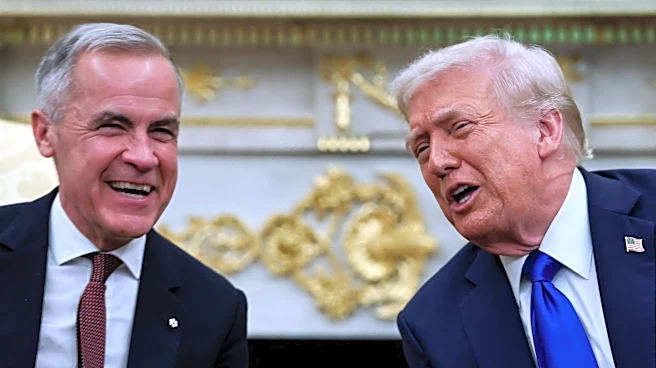
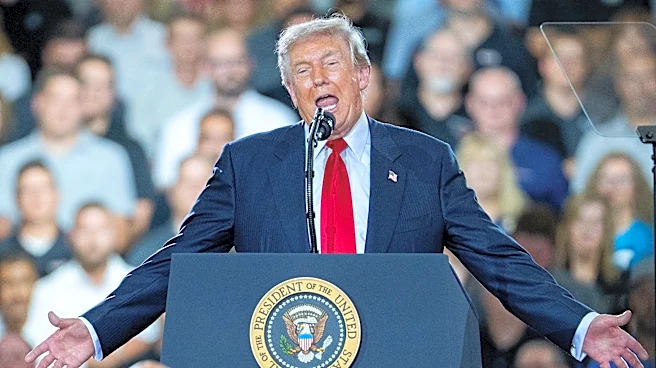
Donald Trump signed the order Aug. 27 in the Oval Office, comparing the move to his administration's decision last year to rename the Gulf of Mexico as the Gulf of America.
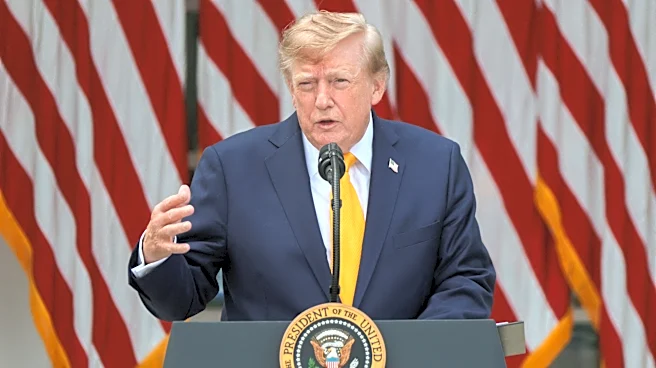
"If you think about it, we have a gulf and we have a lake, now all we need is an ocean," Trump said during the signing ceremony. "So maybe we'll have to change the name of the Atlantic and/or the Pacific."
The order directs the Interior Department and U.S. Board on Geographic Names to update the federal Geographic Names Information System and other government references within 30 days.
Canada will continue calling it Lake Ontario
The order applies only to the U.S. government. Canada is not required to adopt the new name, and Canadian officials have said they will continue to call the lake Lake Ontario.
"We'll always call it Lake Ontario. Period. We're proud of our Great Lakes," Mélanie Joly, Canada's minister of industry, said.
The renaming comes as the United States and Canada remain locked in an escalating trade dispute.
What is the history of Lake Ontario's name?
The name Lake Ontario dates to the 17th century and comes from an Indigenous term meaning "lake of shining waters," according to the Center for Great Lakes Literacy.
The name began appearing on maps made by European explorers in the 1660s.
While the U.S. government can change the name it uses in federal records, the executive order does not require Canada, international organizations or other governments to adopt "Lake America."
New York officials react to the name change
New York officials have criticized Trump's decision to rename Lake Ontario as "Lake America."
Gov. Kathy Hochul called the discussion "absurd," saying the administration should focus on repairing the relationship between the United States and Canada.
"The fact that this is even part of the conversation shows how absurd the Trump administration is," Hochul said. "They should be focusing on ways to mend relationships with Canada so our farmers and our consumers and our families do not continue suffering from this inane war over tariffs."
U.S. Rep. Joseph Morelle, D-25, called the name change a distraction from the trade dispute.
"Pretending to rename a lake is an attempted distraction from the President's disastrous trade talks with Canada," Morelle said. "While Rochester families deal with the impacts of a trade war he started, President Trump is playing games with a map."
U.S. Senate Minority Leader Chuck Schumer also criticized the order, calling it "sad and pathetic."
Other New York lawmakers, including House Democratic Leader Hakeem Jeffries and Rep. Tim Kennedy, D-26, have also criticized the name change.
The Democrat and Chronicle has reached out to Democratic and Republican state and local officials for comment.
This article originally appeared on Rochester Democrat and Chronicle: 10 things to know about Lake Ontario as Trump orders it renamed 'Lake America'