


August will close its books with another spectacular celestial sight.
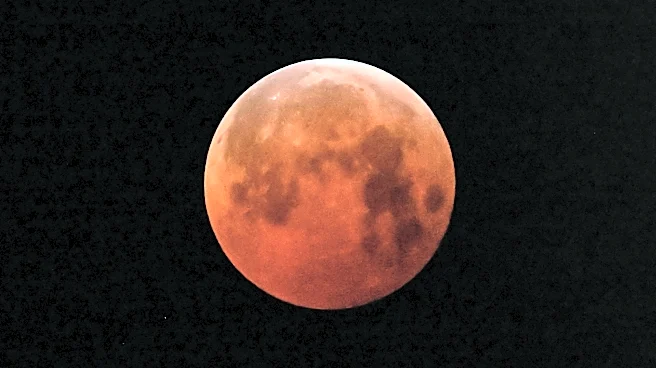
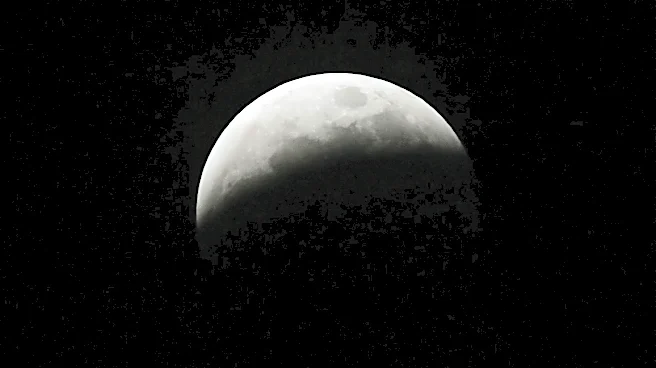
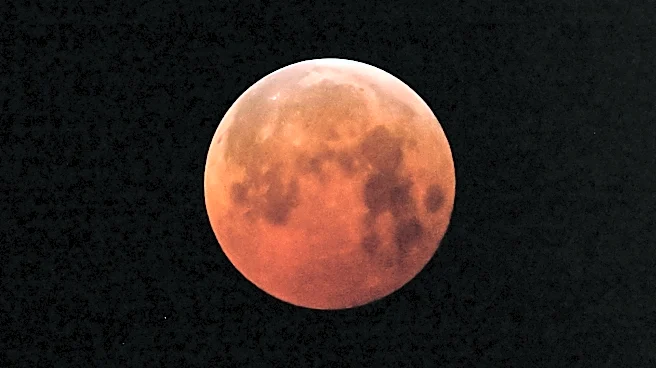
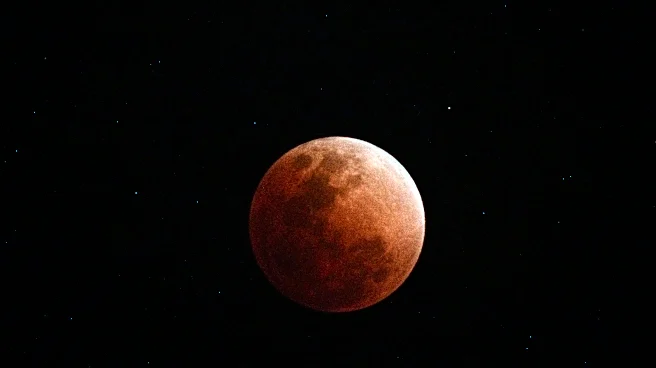
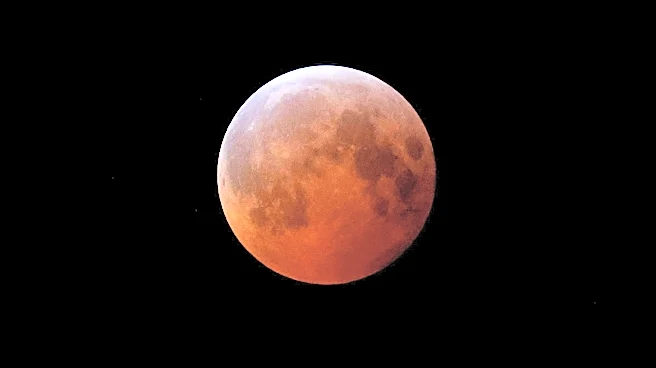
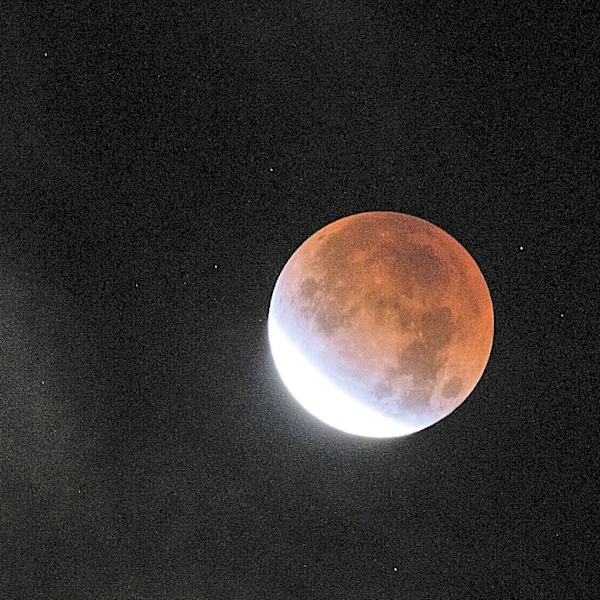
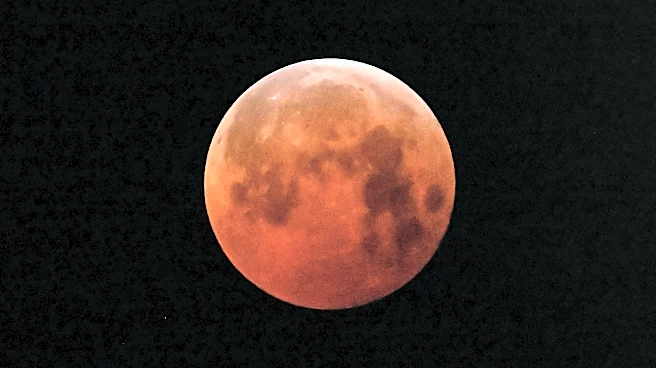
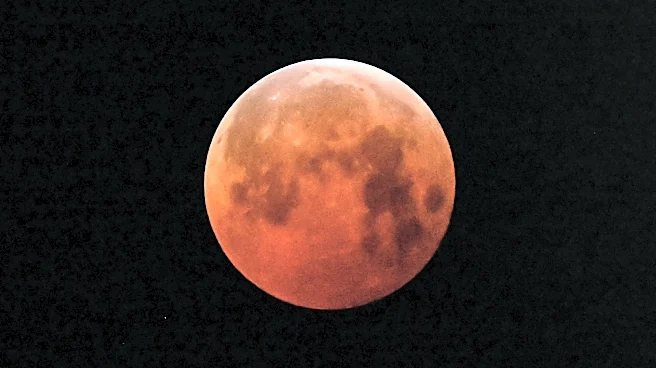
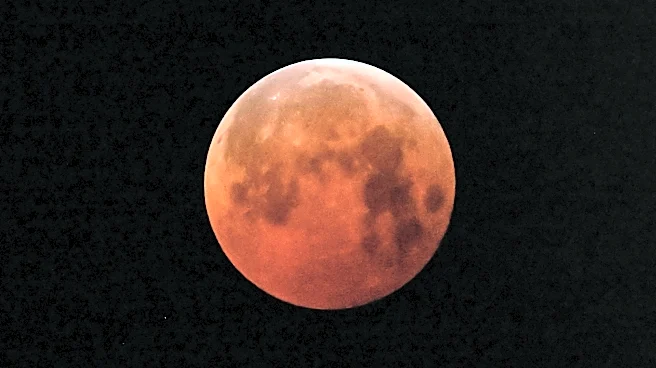
Not only will August's full Sturgeon Moon be bright and large, but it will also coincide with a partial lunar eclipse visible across much of North America, according to NASA. The event is sometimes described as an "almost blood moon" because most — but not all — of the moon will pass through Earth's shadow.
Here's what to know about August's full moon and partial lunar eclipse.
When is the August 2026 lunar eclipse?
The eclipse will begin at 9:23 p.m. ET Thursday, Aug. 27, according to Time and Date.
It will reach maximum eclipse at 12:12 a.m. ET Friday, Aug. 28, when the moon will be most deeply covered by Earth's shadow.
When is the August 2026 full moon?
The Sturgeon Moon will reach its peak at 12:18 a.m. ET Friday, Aug. 28, according to the Farmer's
Almanac.
The full moon occurs just six minutes after the eclipse reaches its maximum.
Who will be able to see the lunar eclipse?
Much of North America will be able to see at least part of the lunar eclipse, weather permitting, according to NASA. The East Coast and parts of the Midwest will have an opportunity to see the full eclipse, while Alaska and the West Coast will see only part of the event. What viewers see will vary depending on their location.
About 96% of the moon's face will be covered, according to the Old Farmer's Almanac.
The eclipse also will be visible from parts of the Southern Hemisphere, with much of South America expected to see the full eclipse.
No special equipment is needed to view a lunar eclipse. Unlike a solar eclipse, it is safe to watch with the naked eye.
Lunar eclipse vs. solar eclipse: What's the difference?

Eclipses occur when the sun, moon and Earth align, according to NASA. The order in which they align determines whether an eclipse is lunar or solar.
Solar eclipse
A solar eclipse occurs during a new moon, when the sun and moon align on the same side of Earth. The moon moves between Earth and the sun, blocking some or all of the sun's light from reaching Earth.
When the sun is completely blocked by the moon, the period is known as totality. During totality, the sky can darken enough for viewers to see the moon's silhouette against the sun.
Lunar eclipse
A lunar eclipse occurs during a full moon, when Earth moves between the moon and the sun and casts its shadow onto the moon, according to NASA.
The moon does not produce its own light. Instead, it reflects sunlight back toward Earth, which is why a lunar eclipse occurs when Earth blocks some or all of that light.
Contributing: USA Today Network
This article originally appeared on Rochester Democrat and Chronicle: August's full Sturgeon Moon will bring a partial lunar eclipse to New York