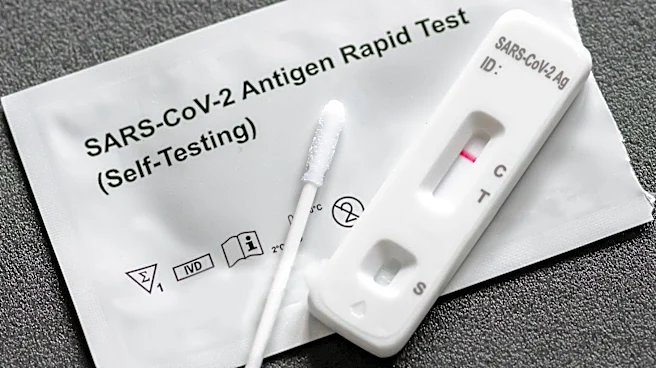








COVID-19 activity remains low in New York and across much of the country, but infections and positive tests have been ticking upward as summer comes to an end, according to the latest data from the New York State Department of Health and the Centers for Disease Control and Prevention.
The CDC classified nationwide COVID-19 activity as “very low” as of Aug. 28, although indicators show the virus has been increasing in recent weeks. Health experts say the late-summer increase is part of a seasonal pattern that has emerged in recent years, sometimes referred to as a “summer surge.”
Unlike influenza, which tends to peak during the colder months, COVID-19 can produce increases in activity at different times of the year, including during the summer.
Experts have told USA TODAY that several factors may contribute to summer increases, including changes in behavior and indoor activity, such as increased time spent in air conditioning and the return to school, as well as changes in immunity and the virus itself.
“COVID-19 is rising nationally but from a low baseline,” Dr. Syra Madad, an infectious disease epidemiologist at Harvard’s Belfer Center and chief biopreparedness officer for New York City’s public hospitals, previously told USA TODAY. “The increase became apparent in parts of the South and West during July and more clearly nationwide by late July and early August.”
New York also has seen an increase in reported positive tests toward the end of summer, although the state remains in the CDC’s “very low” activity category.
Here’s what to know about COVID-19 trends in New York and across the country.
COVID-19 activity remains very low in New York
As of Aug. 28, 383 people had tested positive for COVID-19 in New York, according to data from the New York State Department of Health.
The state’s reported positive tests declined from the spring into early summer before beginning to increase in July and August.
For example, 184 positive tests were reported May 1, compared with 70 on July 1. The number then increased to 116 on July 13, 123 on Aug. 1 and 383 on Aug. 28.
Those figures remain below the levels reported during the same period in 2025:
- May 1, 2025: 632 positive tests
- July 1, 2025: 420 positive tests
- July 13, 2025: 269 positive tests
- Aug. 1, 2025: 506 positive tests
- Aug. 28, 2025: 818 positive tests
- Sept. 1, 2025: 565 positive tests
- Sept. 15, 2025: 1,337 positive tests
The number of positive tests is one indicator of COVID-19 activity, but it does not represent every infection. Testing practices and the availability of tests can affect the number of reported positive tests.
Where COVID-19 infections are growing
As of Aug. 26, the CDC estimated that COVID-19 infections were growing or likely growing in 48 states.
Iowa did not provide data for the CDC's estimates. Rhode Island and Washington, D.C., were the only locations where the estimated growth rate remained unchanged from the previous week.
The estimates are based on the virus’s effective reproduction number, or the average number of people infected by someone who has COVID-19. They are intended to show whether infections are increasing or decreasing, rather than provide an exact count of infections.
Where COVID-19 activity is highest

According to the latest CDC wastewater surveillance data, for the week ending Aug. 22, COVID-19 viral activity was highest in parts of the South.
Texas was the only state reporting “very high” viral activity, while Mississippi was in the “high” category.
Several states, including California, Nevada, Florida, Rhode Island, Louisiana and Washington, were classified as having “moderate” activity. Most other states, including New York, were in the “low” or “very low” categories.
Wastewater surveillance measures viruses and other germs found in community sewage. Health officials use the data to monitor disease trends and detect increases in activity, sometimes before changes become apparent through clinical testing.
Contributing: USA Today Network
—Madison Scott is a New York Connect reporter, covering entertainment, breaking and consumer news, and trending topics with a focus on stories that matter to readers across New York state. She also has an interest in how the system helps or doesn't helpfamilies with missing loved ones. She can be reached at MDScott@USATodayco.com.
This article originally appeared on Rochester Democrat and Chronicle: COVID-19 cases are rising in New York. What to know about the summer surge
Our editors independently choose our recommendations. Some content is produced with paid support from a third party, however our editorial decisions remain independent. If you buy through our links, the USA TODAY Network may earn a commission. Prices and availability may change.