

I was born three years after the attacks on Sept. 11, 2001, but as a New Yorker, the date has never left my mind. Despite New York City being known for noisiness, on 9/11, the silence feels loud.
It’s not the silence we think of when a space becomes quiet; rather, the city continues on its day with the heavy reminder of what was taken away from so many that day.
Being a New Yorker post 9/11 meant learning how much those who died innocently, and also sacrificed their lives for others, in the Twin Towers, meant.
Growing up in the Hell's Kitchen neighborhood for a majority of my life, for me back-to-school shopping as a child meant stopping by the local Staples next to FDNY Engine 54 in Midtown and seeing the memorial plaques that surround the station.
The plaques are a constant reminder that, despite life still moving, for many after 9/11, life paused and stopped.

Every single FDNY Engine 54 firefighter sent to the towers on 9/11 lost their lives heroically protecting the lives of other New Yorkers.
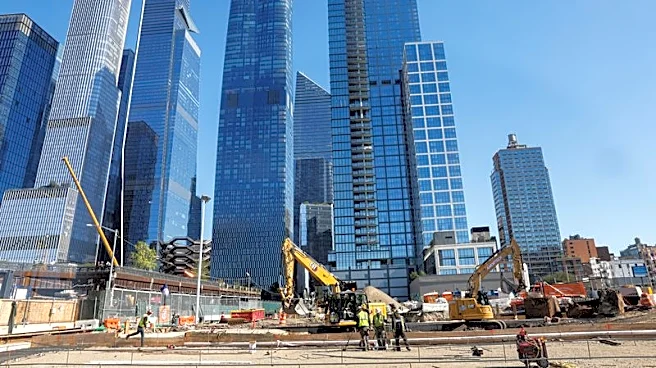
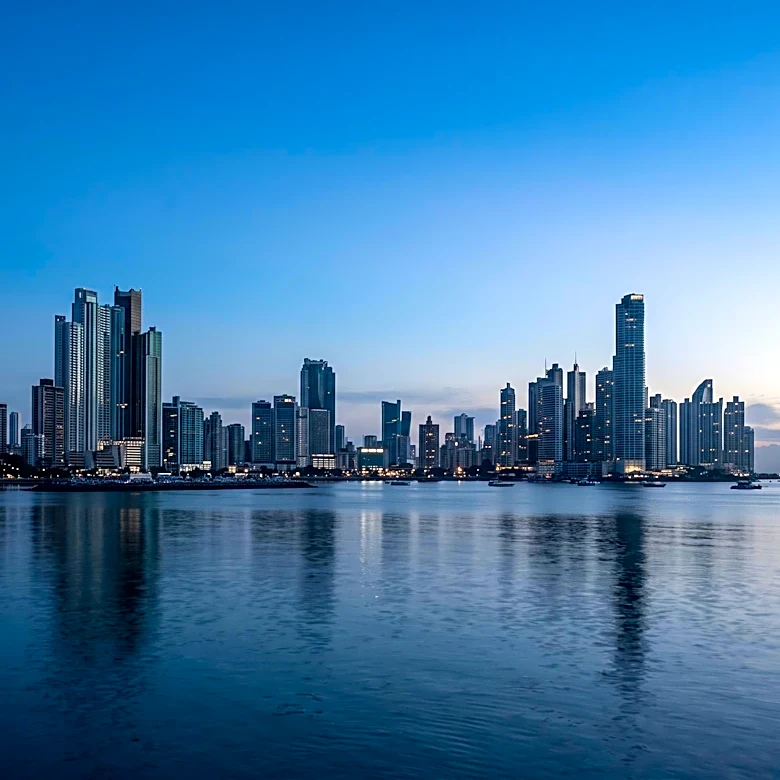
From Sixth Avenue in Midtown, the sight of the Freedom Tower built at Ground Zero can be seen. Each building or structure in a skyline or city holds a history, telling us through architectural details a visual story filled with changes. Take the Arno River in Florence, Italy, where sculptures at the end of each arch of a bridge are fragmented — put back together after World War II.
Watching the One World Trade Center being built from the ground up over the years, it took time for it to absorb new life and new commerce would return to what had become a site of destruction. In 2012, Hurricane Sandy brought new challenges to Lower Manhattan. And while the site's train station took nearly two decades to return, its beauty reminds us of the challenges it took to rebuild the area from the ground up.

For the immigrant friends I grew up around, their parents' custodial work meant hard, grueling hours.. To them, the view from the towers embodied that very American Dream they continuously hoped for, a reminder of how their families had left their countries behind with one goal — prosperity.
A fifth-grade teacher's story about 9/11 still resonates with journalist

Attending P.S. 111 Adolph S. Ochs, we learned the history of those fallen and lost around our community. I sought as a child to understand the weight of this destructive attack, although learning of it made it feel as if it happened long ago. It would be my fifth-grade teacher, Ms. Ventura, who taught me that while time can pass by fast, history cannot be lost to memory.
Ms. Ventura had lost her mother in the mid-2010s. She shared with our class the great resilience her mother possessed.
On the day of the attacks, Ms. Ventura’s mother worked in the towers. The city filled with frantic worries as cell service went down. In seeking to connect with her mother, Ms. Venturay felt the common fear that day of calling a loved one and not hearing back.
Later that evening, her mother would arrive at their home covered in dust from the buildings' collapse, a sight Ms. Ventura will never forget. She had her mother back.
Even now, a decade later, I reminisce about the story that Ms. Ventura told us and about her vulnerability in sharing such a story with us children. It shows the importance of oral histories, as stories teach new generations of the carried emotional depth of events and can help us mend the bridges between the affected and unaffected.
Every New Yorker, including those who were born after the attacks, unites now in that feeling of vulnerability and in that recognition of how valuable life is. Sept. 11, 2001, still serves to bond the generations.
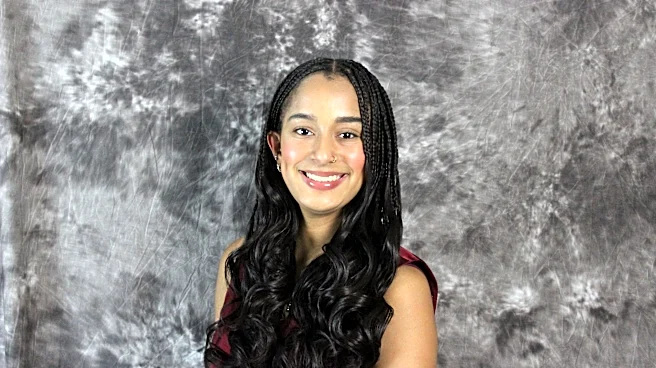
Beyonce Thomas-Reynoso served as a summer intern for USA TODAY Network's New York Connect Team. She lives in the Hell's Kitchen neighborhood of Midtown Manhattan.


This article originally appeared on Rochester Democrat and Chronicle: Growing up post-9/11 as a Gen Z New Yorker