






One in a series of interviews focused on caregiving efforts and needs in Greater Rochester.
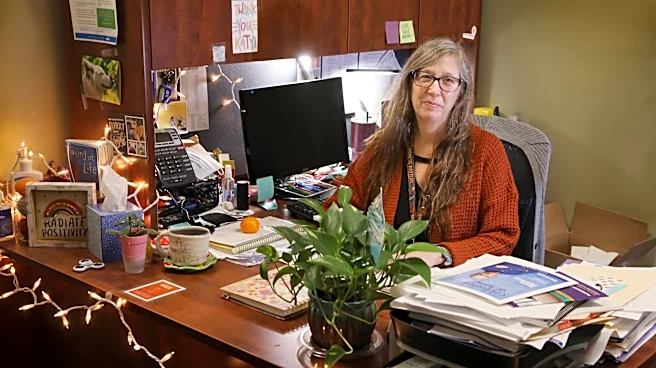
To age without fear is something Katy Allen wants for Rochester's older adults. She works towards that goal as Finger Lakes caregiving division leader for Lifespan, a regional nonprofit agency that offers more than 30 services towards older adults and caregivers.
Embracing, fearlessly, everything that aging brings to someone is the approach Katy Allen and Lifespan take in their care.
Allen elaborated in a recent interview with the Democrat and Chronicle.
Q: What service that your organization offers do you find to be the most utilized?
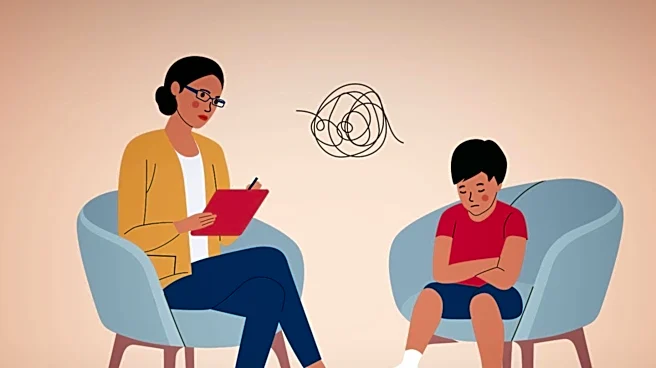
Allen: So, within caregiver services, the biggest questions that kind of come up, or the reason caregivers more often reach out for help, are more often (from) caregivers of people living with dementia, which
is obviously a progressive disease.
And because of the type of disease it is, caregivers often have more strain. People are reaching out because they have sort of hit a crisis, there's a need to get help in the home: Move their care partner living with dementia to a higher level of care. Move in with them.
Q: How does it complicate things if there's someone who might not come to you because they haven't recognized that what they're doing for their loved one is caregiving? Talk about the importance of that identity and how that can empower someone.
Allen: Most people don't necessarily resonate with the word caregiver. "I'm a daughter, I'm a wife, I'm a partner, I'm a whatever that is. This is what I do as a family member."
So I definitely think that the word "caregiver" isn't a word that a lot of people identify with because they identify with the relationship they have to the person that they're providing care for.
For many folks, I think that's changing generationally, but I think especially for older generations, it's like we just do this, we don't ask for help. I think that there's more of an openness I see, as people understand it's good to ask for help.
It takes a village to, to raise a child. It takes a community to care for anyone, you know, regardless of what age they are. Surrounding ourselves with supports is asking for help, is really the biggest act of courage. It's not a weakness. It's a strength to know when other folks might have things that can help.
Q: As Lifespan continues to adapt to the growing needs of Rochester, what resources do you see as being the most important for the future of caregiving?
Allen: I think multiple things. I think it's us constantly asking caregivers and former caregivers what you need, what works best for you, what have you found helpful, what hasn't, and are there gaps? Are there things that they think might be helpful that they're unaware of? Support, however someone defines that for themselves, is incredibly valuable for the long-term health and well-being of the family and friend caregiver, right?
So, whether that's attending a support group, whether that's education on whatever the diagnosis for their care partner is, is incredibly helpful for someone. We have, I think, in our society stigma around Alzheimer's disease, around dementia. It's not talked about. It's becoming more talked about, but it becomes very isolating.
And so on our side, that's making sure that we have a whole range of programs and services that we're listing to the community. Maybe it's linking someone to home care that could be exactly what they need so that there is now an aide coming in helping mom, and I as the daughter am able to kind of breathe that sigh of relief that I know that's taken care of. I might be able then to go to my own doctor appointment or go to work...
Maybe it's a Medicaid application. We regularly help people understand how things are paid for, what's not paid for, what has to be paid out of pocket. And we help with applications, looking at housing. Housing is a huge issue for folks.
Long-distance caregiving. So you know exactly what's going on with mom or dad if you live three states away. So I think there's ongoing challenges in kind of all aspects of caregiving.
Q: Let's say there's like a financial help they need with budgeting, and then there's also the person who's actually coming to their home and caring for them. There's several different layers of people at Lifespan assisting?

Allen: We're looking at kind of both parties because caregiving isn't a solo act by definition. You are caregiving, you are giving care, right? So there is another party. And I think it's also really important when that other party is able to participate in the planning for their own care. That's what we want. We want everybody to be able to have dignity and choosing what's best for them.
But I mean it's really the first step is just calling, and I think it's encouraging people don't wait until the crisis right? Don't wait until you feel like I need help. Call now and just say my dad just got diagnosed. He's OK, we're navigating things fine. Can you fill me in a little bit about what services you have as we move forward?
Q: How much growth has there been in the use of your specific services? The population is growing and we're getting older, we're staying older longer, which is a good thing, but that does also mean that the intensity of service is going to increase?

Allen: So Lifespan formed the Finger Lakes Caregiver Institute in 2016. I think when we started in 2016, just to give you an example, we had two care managers. We now have 12. So I mean, just in simple terms, the growth in terms of staffing to meet the demand is incredible. We are now a team of 28. We really started at about seven.
For Lifespan, we look at both the opportunities and the challenges that come with longer life, because there are enormous opportunities. I think combating ageism but also recognizing that there are changes that come with age. Some of them we embrace, retirement, right? I get to choose what I want to do with my time. Not everyone has that ability, obviously, but you know, there are wonderful things that come with age clearly, wisdom, knowledge, experience, all of those things.
But there are truly things that happen. And I think it's something like one-third or a little bit between a third and half of people that live to be 85 or older will develop dementia. The great thing is you can start at your age to do things to help prevent that. Social isolation is hugely negatively impactful to our health. Caregivers and people living with dementia experience much higher rates of isolation because of the caregiving demands. So how do we help so that caregivers' own health doesn't decline, right?
Q: "Don't get old" It's something I've heard a lot and I'm just curious about how you and your position in leadership of this type of organization, how you combat that, and are there people coming to you using your services with that fear being a big motivator?
Allen: I guess my initial thought is get old. Yeah, it's way better than the alternative, right? Like getting older is the best thing I've ever done. I get to live life, right? The idea is that we embrace everything that aging brings to us. We enjoy it, we face it, we struggle with it, whatever it is we ask for help. We access services. We talk about it. If we don't talk about it, no one knows.
Articles like this are great because, one, it normalizes caregiving, but it also lets people who don't know that we exist know that we're here. Our services don't cost anything. They can attend our memory cafes, our respite program, our care management, our wellness classes, our education. If they can't get here, there's options online.
If you're not getting older, you don't exist. Recognizing any part of life -- being 17 is hard, right? In some ways, being 35 is hard. There are challenges that come with being 61. I'm happier with who I am at 61 than any other age I've been. There's a study that talks about the fact that actually people's attitude towards aging impacts how long they live. You essentially live about seven years longer if you have a positive attitude toward aging.
We know that caregiving, especially caregiving for somebody with dementia is really, really hard, but what we find is almost every caregiver that we talk to says, "This is both the hardest and the most wonderful thing I've ever done." Across the board. Struggle, struggle, struggle, but also people see the joy and the beauty in being able to do it. Doesn't mean everybody does, and there are challenging relationships that people have, that's why I work here, to help people navigate the hard things.
This article originally appeared on Rochester Democrat and Chronicle: D&C caregiving interview | 'It's good to ask for help'