






The U.S. is in the midst of hurricane season, but New York could see a relatively quiet 2026 season, according to the latest outlook from the National Oceanic and Atmospheric Administration.
A cyclical weather pattern in the Pacific Ocean could help limit tropical activity in the Atlantic this year, including the potential for major storms affecting the East Coast.
NOAA issued its initial 2026 Atlantic hurricane season outlook in May. The agency updated its forecast Aug. 6, calling for a below-normal season.
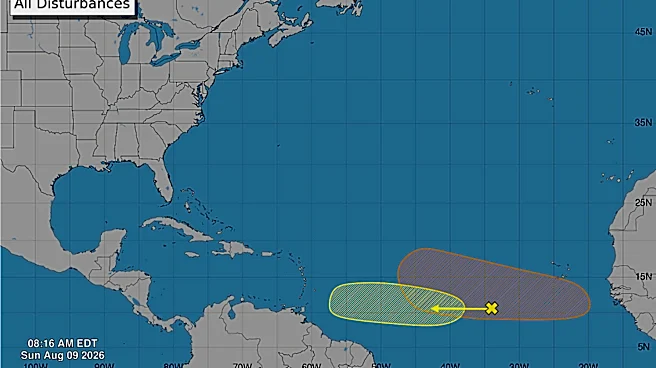
As of early August, the Atlantic has been relatively quiet, with just two named tropical storms developing so far this season.
The Pacific, meanwhile, has been more active, with seven storms recorded and two hurricanes affecting Mexico's Pacific coast.
Here's how the 2026 hurricane season is shaping up and what New Yorkers should expect in the months ahead.
What did NOAA predict for the 2026 hurricane season?
In its May outlook, NOAA said an El Niño weather pattern could reduce tropical activity in the Atlantic and lower the threat to the U.S. East Coast.
The agency initially predicted 8 to 14 named storms with winds of at least 39 mph. Of those, three to six were expected to become hurricanes, with winds of at least 74 mph, and one to three were expected to become major hurricanes of Category 3, 4 or 5, with winds of at least 111 mph.
An average Atlantic hurricane season produces 14 named storms, seven hurricanes and three major hurricanes.
NOAA said El Niño can increase wind shear in the Atlantic, which can make it more difficult for tropical storms to form or strengthen.
What is the 2026 hurricane season looking like so far?
The Atlantic has been relatively quiet through early August, with two named storms developing: Arthur and Bertha.
Arthur formed June 10, while Bertha developed July 19.
The relative lack of activity so far does not mean the remainder of hurricane season will be quiet. The Atlantic hurricane season typically becomes more active in August and September, with September historically being the peak month.
NOAA's updated Aug. 6 outlook calls for 7 to 13 named storms, including 2 to 6 hurricanes and zero to two major hurricanes.
The updated forecast represents a reduction from the agency's original outlook.
What should New York expect?
New York is less likely than states such as Florida, Georgia and the Carolinas to experience a direct hurricane strike, but the state can still be affected by tropical storms and the remnants of hurricanes.
Storms that move north along the East Coast can bring heavy rain, flooding and strong winds to New York, even when the storm itself is no longer classified as a hurricane.
The latest NOAA outlook suggests a lower overall risk of major Atlantic hurricanes this year, but New Yorkers should not let a quieter start to the season lead to complacency.
The most active part of the Atlantic hurricane season typically occurs later in the summer and early fall. September and October can bring storms that move north toward the Northeast.
For New York, that means the potential for tropical impacts remains through the end of hurricane season Nov. 30, even if the Atlantic continues to experience less activity than in a typical year.
This article originally appeared on Rochester Democrat and Chronicle: Will a hurricane hit NY in 2026? Here's what NOAA's latest forecast says