








Two Michigan residents reportedly sick with cyclosporiasis have died, the Michigan Department of Health and Human Services (MDHHS) announced on Aug. 3.
MDHHS stated that the two individuals had underlying health conditions that "may have been impacted by cyclosporiasis and dehydration"; however, the news has raised concerns nationally and across New York State as cases continue to rise.
Nationally, the Centers for Disease Control and Prevention said it has confirmed 10,468 cyclosporiasis cases in 47 states since May 1, with 12,255 additional unconfirmed cases under investigation. The CDC has stated that cyclosporiasis is usually not life-threatening; it has updated its tracking website to account for the two Michigan deaths and 517 total hospitalizations.
"CDC is aware of two cyclosporiasis-related deaths in people with underlying health conditions from Michigan as part of this outbreak," the notice on the CDC website reads.
The New York State Department of Health, which is currently updating its website with case numbers every Wednesday, reports a total of 833 cyclosporiasis cases from May 1 through Aug. 3- a significantly lower number of cases than Michigan, which is currently reporting a total of 12,218 cases as of Aug. 5.
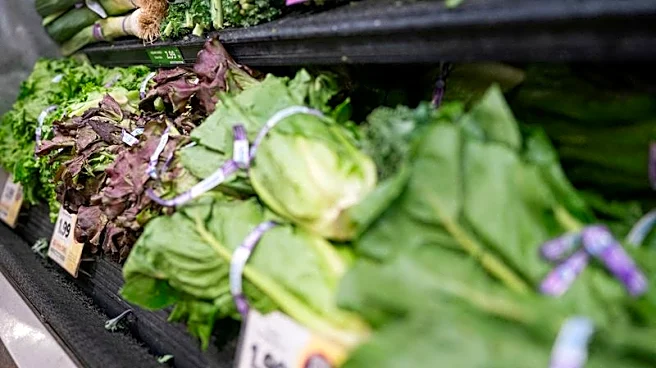
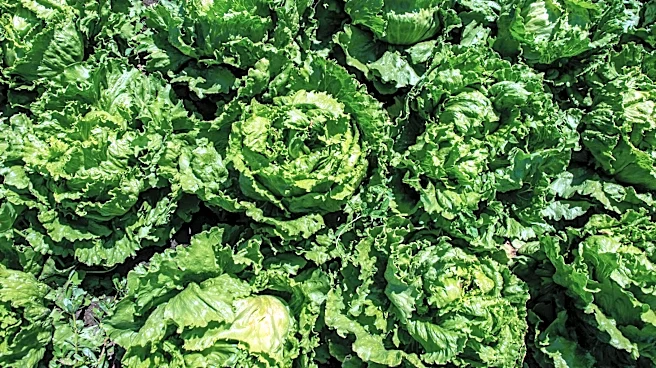
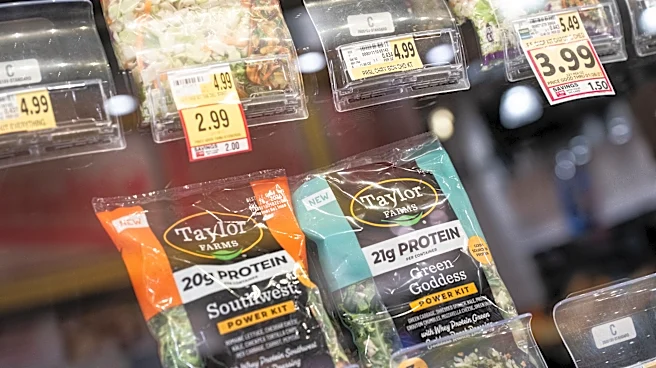
Federal health officials are continuing to investigate multiple clusters of Cyclospora cases, including the multistate outbreak linked to iceberg lettuce from Taylor Farms de Mexico in nine U.S. states, none of which include New York.
While Michigan is one of the states included in this multistate outbreak, MDHHS stated that the two Michigan residents who have died became sick before the U.S. Food and Drug Administration announced the iceberg lettuce recall on July 17.
Both state and federal health data show that cases in New York are lower than in other states, and that there is currently no evidence that the contaminated lettuce impacted the Empire State, but that doesn't necessarily mean we are completely out of the woods with the foodborne parasite causing illness.
Here is what to know about the current state of cyclosporiasis cases in New York.
Updated cyclosporiasis case numbers in New York
As of Aug. 5, the New York State Department of Health reports a total of 833 cyclosporiasis cases from May 1 through Aug. 3, and 867 cases from Jan. 1 through Aug. 3. The state health department will continue to update these case numbers on its website every Wednesday through the end of August.
Preliminary data from the state last month showed a total of 511 cases between May 1 and July 10, indicating there has been an increase of about 300 reported cases since then.
New York typically reports about 500 to 700 cyclosporiasis cases each year, with similar totals reported in 2024 and 2025, according to state health officials.
As of Aug. 5, New York has not been connected to the FDA's investigation into the Cyclospora outbreak linked to the Taylor Farms de Mexico iceberg lettuce that was distributed and sold at stores and Taco Bell restaurants across the country.
Two cyclosporiasis cases in Michigan. What does it mean for NY?
Both the Michigan health officials and federal health officials maintain that the two individuals who were sick with cyclosporiasis and died both had underlying health issues.
"Cyclosporiasis is generally not a life-threatening illness," MDHHS wrote on its website. "Death resulting from cyclosporiasis is uncommon in the United States." MDHHS has not released any further information regarding the two deaths.
There have not been any cyclosporiasis-related deaths reported in New York State as of Aug. 5.
Does the iceberg lettuce recall impact New York?

No, there are currently no recalls on any iceberg lettuce brands in New York State.
The FDA's ongoing investigation into the multistate outbreak involving Taylor Farms de Mexico iceberg lettuce reports that:
- Cases with Taco Bell exposure from the lettuce were reported in nine states: IL, IN, KS, KY, MI, OH, OK, PA and WV.
- Taylor Fresh Foods distributed the recalled iceberg lettuce from June 29 to July 16 in: AL, AR, CT, FL, GA, IA, IL, IN, KS, KY, LA, MA, MD, MI, MO, MS, NC, NH, NJ, OH, OK, PA, SC, TN, TX, VA and WI.
- The recalled lettuce, which includes Marketside-brand products, was sold at some Walmart stores in: AL, AR, FL, GA, IN, KS, KY, LA, MO, MS, OK, TN, TX, VA and WV.
While the investigation into this iceberg lettuce is ongoing, Taylor Farms de Mexico made an announcement on July 17 that they were removing all iceberg lettuce sourced from central Mexico from the U.S. market. That same day, Taco Bellalso announced that its restaurants will no longer use lettuce from Taylor Farms de Mexico.
What is cyclosporiasis?
Cyclosporiasis is an intestinal illness caused by the microscopic parasite Cyclospora cayetanensis.
People become infected after consuming food or water contaminated with the parasite. In the United States, outbreaks have often been linked to fresh produce, including cilantro, basil, salad mixes, snow peas and raspberries, according to health officials.
Unlike many stomach illnesses, cyclosporiasis is not typically spread directly from person to person.
Symptoms can include:
- Frequent, explosive diarrhea
- Stomach cramps
- Nausea and vomiting
- Loss of appetite
- Weight loss
- Fatigue
- Bloating
- Muscle aches
Symptoms typically begin about a week after exposure but can take up to two weeks to appear. Without treatment, illness can last for weeks or longer.
How to reduce your risk
Health officials recommend the following precautions when handling and preparing fresh produce:
- Wash hands before and after handling fruits and vegetables.
- Clean and sanitize cutting boards, knives and food preparation surfaces.
- Scrub firm produce, such as melons and cucumbers, with a clean produce brush.
- Remove bruised or damaged portions of produce.
- Rinse fresh produce thoroughly under running water before eating.
- Refrigerate cut, peeled or cooked fruits and vegetables promptly.
- Cook food when possible, as heat can kill the parasite.
When to seek medical care
Cyclosporiasis is usually not life-threatening, but severe diarrhea can lead to dehydration, especially among older adults, young children and people with weakened immune systems.
People experiencing persistent diarrhea, signs of dehydration, severe abdominal pain or symptoms lasting more than several days should contact a health care provider.
—Madison Scott is a New York Connect reporter, covering entertainment, breaking and consumer news, and trending topics with a focus on stories that matter to readers across New York State. She also has an interest in how the system helps or doesn't helpfamilies with missing loved ones. She can be reached at MDScott@USATodayco.com.
This article originally appeared on Rochester Democrat and Chronicle: Cyclosporiasis deaths reported in Michigan. How many cases are in New York?