
Eighty percent of city of Canandaigua residents surveyed said they would support the introduction of a composting or food scrap collection program, and 70% indicated support for curbside food scrap collection.
Of the approximately 2,500 tons of garbage the city collects annually, about 750 tons of that is organic waste, according to City Manager John Goodwin. And the Ontario County landfill, which is slated to close Dec. 31, 2028, collected over 16,000 tons of organic waste, mostly foodstuffs, during a 10-day study period, according to Councilmember Doug Merrill.
But implementing a citywide collection program of this type appears to be unlikely at this point given a different number: Cost, although the city remains interested in composting and being environmentally friendly, Goodwin said.
“That’s clear and evident from what we’ve been doing over the years. It’s just that it has to be done in a financially responsible way,” Goodwin said. “We have to be able to afford it and right now, we can’t.”
What are the costs of compost collection in Canandaigua?

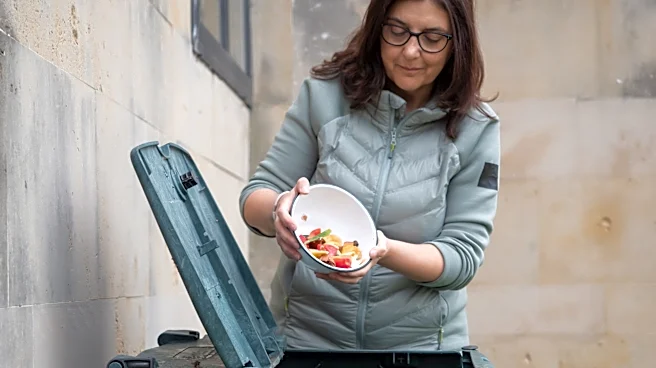
Nutrient-rich compost, or humus, is what results from the breakdown of organic materials such as food and yard waste.
The upfront cost of curbside compost pickup would run the city between $850,000 and $900,000, which includes a new truck, staff and toters. The recurring costs would be $400,000 a year, according to figures revealed at a recent City Council environmental committee meeting.
“That’s not chump change,” Goodwin said.
Officials are about a month away from beginning its public process for preparing a budget for 2027, but Goodwin said the city is already stressed financially from uncontrollable inflation, tariffs, state retirement changes and double-digit health insurance increases, to name a few factors driving spending now and in the future.
And compost collection would be a significant addition to the budget, said Sarah Brown, director of the city's Department of Public Works, during the environmental committee meeting.
“There are a lot of things working against us to add anything material to the budget,” Goodwin said. “Curbside collection of compost is just not something we can do right now."
Go ahead, keep composting in Canandaigua
That said, the city continues to encourage composting by residents, said Goodwin, who has a bin in his backyard.
“It does make a significant difference in reducing the waste that you put at the curb every week,” Goodwin said.
And that can mean lower trash costs for homeowners.
Composting has other benefits as well, such as using it for landscaping and gardening. Compost increases soil health, creates stronger, healthier plants, reduces their susceptibility to disease, and reduces the need for pesticides and chemical fertilizers, according to Ontario County Recycles.
There may be other avenues of funding a program.
"We’ll continue to search and see if there are other ways to still do something," Goodwin said. "At the moment, it’s not looking like we’re taking that on."
More about the impending Ontario County landfill closure
City officials want to have a plan in place for garbage, recycling and biosolid disposal before the county landfill closes in 2028.
Canandaigua City Council’s environmental committee will hear from Carla Jordan, director of the Department of Sustainability and Solid Waste for Ontario County, at its meeting at 6 p.m. Monday, Oct. 5.
The discussion is expected to center on what the county plans to do when the landfill closes.
Mike Murphy covers Canandaigua and other communities in Ontario County and writes the Eat, Drink and Be Murphy food and drink column. He can be reached at mmurphy@messengerpostmedia.com. Follow him on X at @MPN_MikeMurphy.
This article originally appeared on Rochester Democrat and Chronicle: Is compost collection in the cards for Canandaigua?