



The New York State Department of Health has reported an additional 41 confirmed cases of cyclosporiasis in the state since Aug. 12, bringing the total number of cases this year to 973 through Aug. 17.
The New York State Department of Health is posting weekly updates on confirmed cyclosporiasis cases every Wednesday through the end of August.
Here is what to know.
New York reports 41 more cyclosporiasis cases

As of Aug. 19, the state health department reported 939 cyclosporiasis cases from May 1 through Aug. 17 and 973 cases from Jan 1 through Aug. 17.
The previous update, released Aug. 12, reported 898 cyclosporiasis cases from May 1 through Aug. 10 and 932 cases from Jan. 1 through Aug. 10.
The Aug. 5 update reported 833 cases from May 1 through Aug. 3 and 867 cases from Jan. 1 through Aug. 3.
The latest figures represent an increase of 41 cases over the past week, and an increase of 106 cases over the past two weeks.
The next update is scheduled for Wednesday, Aug. 26.
Cyclosporiasis cases reported nationwide
The Centers for Disease Control and Prevention reported 15,716 laboratory-confirmed cases of cyclosporiasis acquired in the United States between May 1 and Aug. 18, along with 11,841 additional cases that may require further investigation and analysis.
According to the CDC, a total of 1,180 cyclosporiasis cases were reported across the United States between May 1, 2025, and Aug. 31, 2025.
A week earlier, the CDC reported 13,895 laboratory-confirmed cases nationwide.
Federal health officials are investigating multiple Cyclospora outbreaks, including a multistate outbreak linked to recalled iceberg lettuce sourced from central Mexico and distributed by Taylor Farms. The CDC stated that this outbreak has "contributed significantly" to the increase in cyclosporiasis cases across the country.
New York is not among the states identified in that outbreak.
What is cyclosporiasis?
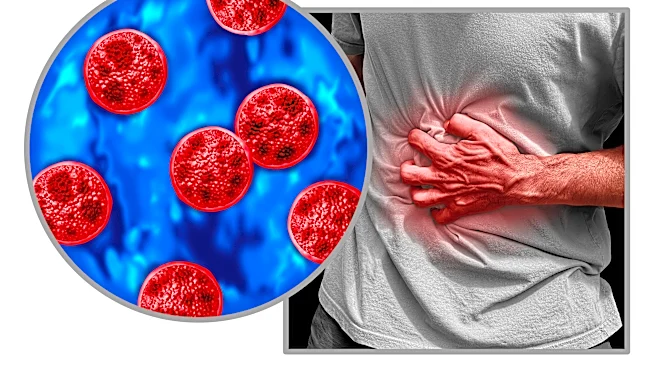
Cyclosporiasis is an intestinal illness caused by the microscopic parasite Cyclospora cayetanensis.
People become infected by consuming food or water contaminated with the parasite. In the United States, outbreaks have often been linked to fresh produce, including cilantro, basil, salad mixes, snow peas and raspberries.
Unlike many gastrointestinal illnesses, cyclosporiasis is not usually spread directly from person to person.
Symptoms can include:
- Frequent 'explosive diarrhea'
- Stomach cramps
- Nausea and vomiting
- Loss of appetite
- Weight loss
- Fatigue
- Bloating
- Muscle aches
Symptoms typically begin about a week after exposure but can take up to two weeks to develop. Without treatment, the illness can last for weeks or longer.
How to reduce your risk
Health officials recommend the following steps when handling fresh produce:
- Wash your hands before and after handling fruits and vegetables.
- Clean and sanitize cutting boards, knives and food preparation surfaces.
- Scrub firm produce, such as melons and cucumbers, with a clean produce brush.
- Remove bruised or damaged areas of produce.
- Rinse fresh produce thoroughly under running water before eating.
- Refrigerate cut, peeled or cooked fruits and vegetables promptly.
- Cook food when possible, as heat can kill the parasite.
When to seek medical care
Cyclosporiasis is usually not life-threatening, but severe diarrhea can cause dehydration, particularly among older adults, young children and people with weakened immune systems.
Anyone experiencing persistent diarrhea, signs of dehydration, severe abdominal pain or symptoms lasting more than several days should contact a health care provider.
—Madison Scott is a New York Connect reporter, covering entertainment, breaking and consumer news, and trending topics with a focus on stories that matter to readers across New York State. She also has an interest in how the system helps or doesn't helpfamilies with missing loved ones. She can be reached at MDScott@USATodayco.com.
This article originally appeared on Rochester Democrat and Chronicle: NY cyclosporiasis cases top 900 as illness linked to 'explosive diarrhea' rises