




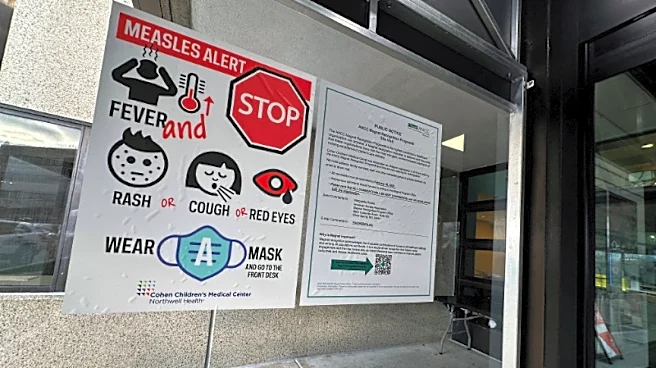

The New York State Department of Health has launched a new measles dashboard that allows health care officials and the public to track local risks and monitor measles cases across the state.
"Measles is highly contagious and can cause serious illness and hospitalizations, yet it is effectively prevented with up-to-date measles immunizations," New York State Health Commissioner Dr. James McDonald said in a news release.
The latest data shows 57 confirmed measles cases across New York as of Sept. 12. Cases are added to weekly totals as information is received, health officials said.
Here's more on measles in New York and how to track cases using the state Health Department's measles dashboard.
Confirmed measles cases by county in New York
As of Sept. 12, there have been six confirmed measles
cases in New York City and 51 outside the city, according to the state dashboard.
Upstate New York has also seen a growing number of cases, including 10 confirmed cases in Steuben County and nine in Seneca County.
The dashboard does not include the location of every case or information that could identify individual patients.
What does the measles outbreak in 2026 look like in New York?
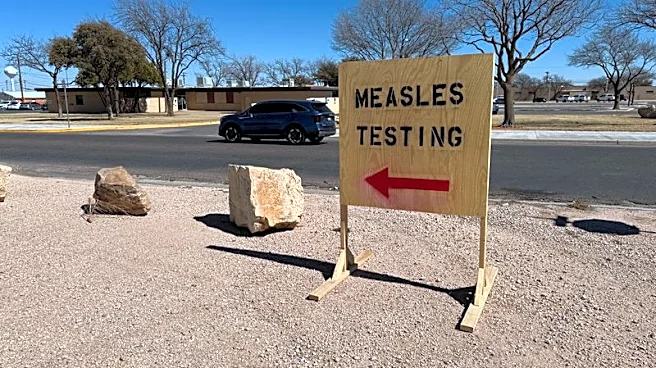
The number of measles cases in New York is part of a broader increase in cases in the United States and around the world.
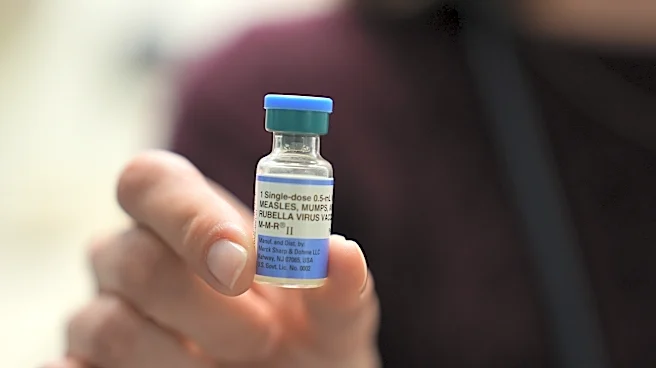
According to state health officials, state and county health officials are working together to "closely monitor and investigate" all reported cases and provide the measles, mumps and rubella vaccine to unvaccinated individuals who request it.
Monitoring and investigation, including contact tracing, are among the ways public health officials work to limit the spread of infectious diseases.
What to know about measles
Measles is highly contagious. Unvaccinated people, pregnant people, children younger than 12 months and people with compromised immune systems are at the greatest risk.
Measles is caused by a virus that spreads through the air when an infected person coughs or sneezes. People can also become infected by touching a contaminated surface and then touching their eyes, nose or mouth, although this is less common.
People who are unvaccinated or have recently been exposed to someone with measles should watch for symptoms including:
- High fever
- Rash
- Runny nose
- Cough
- Red eyes
Anyone who develops symptoms should contact their health care provider or local health department.
People experiencing symptoms who need medical care should call the facility before arriving so appropriate precautions can be taken.
This article originally appeared on Rochester Democrat and Chronicle: New York launches measles dashboard as cases rise. Here's how to track them