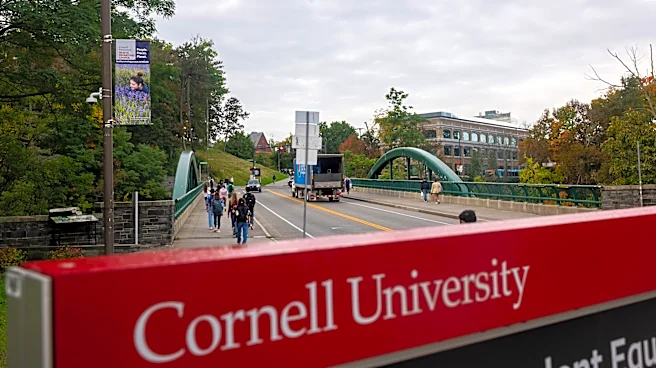





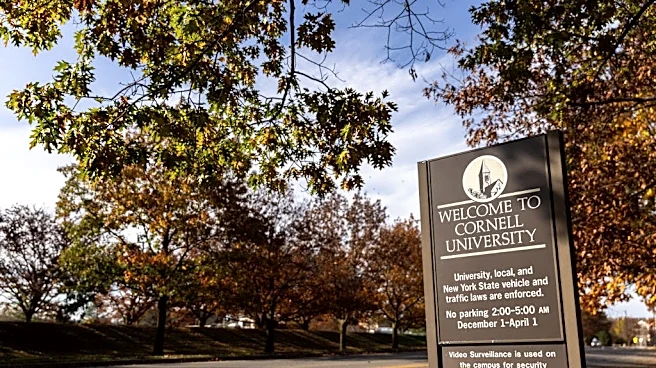
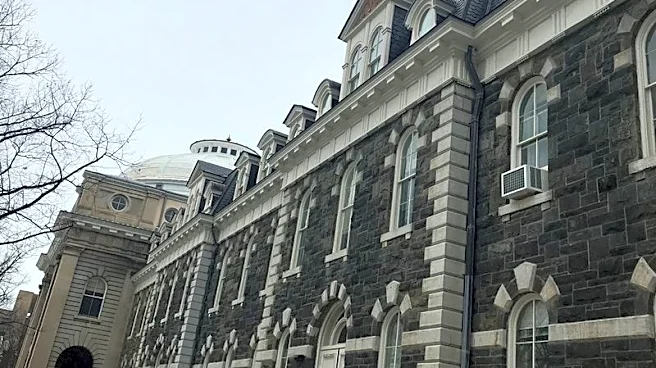
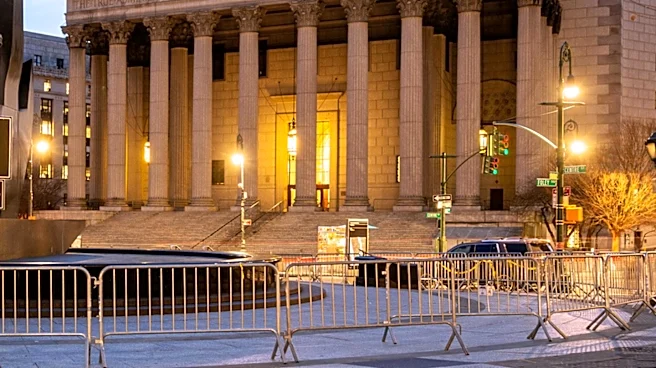
Before other news outlets, both locally and nationwide, began reporting on the recently filed lawsuit about an alleged gang rape at a fraternity house on Cornell University's campus in 2024, an independent, student-run newspaper already had the story.
A former Cornell student, who is referred to in her lawsuit as Jane Doe, alleges seven members of the Xi Chapter of the Chi Phi Fraternity on Cornell's campus sexually assaulted and raped her inside the fraternity house in October 2024.
She reported what had occurred to campus police in November 2024. The information received by the Cornell University Police Department was shared with the Tompkins County District Attorney's Office, which, at the time, decided not to pursue criminal charges against
any of those involved. In a Sept. 28 statement, however, that same district attorney, Matthew Van Houten, said his office is revisiting that decision after learning about the lawsuit earlier this month and receiving many calls, voicemails and emails since.
But in the quiet two years between when the incident took place and when Jane Doe filed the lawsuit, senior editor Cereese Qusba of the oldest continuously independent college daily, The Cornell Daily Sun, had been doggedly pursuing a story about what happened in the aftermath of the alleged sexual assault.

How the Cornell Daily Sun reported the story
In an interview with CNN on Tuesday, Sept. 29, Qusba recalled students receiving a notification from the university and campus police at the time about the sexual assault complaint now at the center of a civil lawsuit. Qusba told CNN's Erin Burnett, "it really had an impact on the campus culture and community and you could feel that."
The journalist's lingering questions ranged from where the defendants are now to what happened to Cornell's Title IX review of the incident and what happened to any criminal investigation. Qusba began to put the pieces together and build relationships through conversations with Jane Doe, her lawyers and the university.
"So when the lawsuit was filed, we were really prepared because we had all of this background information and had been communicating with the sources for a really long time and thought it was really important to bring this to light," Qusba told CNN.
The paper's editorial team, including editor-in-chief Sophia Dasser, also made the decision to publish the names of all seven defendants named in the lawsuit, which was filed in the New York County Supreme Court on Sept. 14. The names appeared in an editorial titled "Cornell Won't, We Will," published Sept. 21.

Dasser recently told The New York Times the college newspaper made the decision after speaking with its lawyers, describing it as an effort to increase transparency.
According to Cornell, a Title IX investigation was conducted over several months in 2025 and included a panel of trained faculty and staff that examined the evidence, which "issued a range of sanctions, which included expulsions and suspensions from Cornell."
Cornell created a sexual assault task force in 2025 as a result of the incident and said it is now implementing its recommendations. In the CNN interview, however, Dasser said this solution of addressing on-campus sexual misconduct issues through workshops and lectures and website links was "extremely concerning."
"I think at the end of the day, The Sun is really asking for something that everyone deserves, which is a level of transparency and accountability," Dasser told CNN. "We are students. We have the right to demand safety from our university administrators, and we have the right to demand things like anonymized data reports of outcomes and sanctions and punishments from cases that were reported."
Why student journalism is important
Student journalists have the "front seat" to what's happening on college campuses and hear what students are saying, says Laura Widmer, the executive director of the National Scholastic Press Association and Associated Collegiate Press. And the actions of The Sun's reporters and editors in recent weeks are a strong example of that.
"These journalists knew there was a story there," Widmer said. "And even a year later, knew there was a story to be followed up on."
"I applaud them for reaching out to a lawyer ahead of time to discuss what are the consequences ... and they did what they thought was right for their college campus," Widmer said.
She also stressed that these journalists have done "incredible work making a difference to their college community, to their readers and to the general public," and are going to fill the coverage gaps being left by so-called news deserts in communities with fewer local journalists because of wrenching change in the industry.
"They tell the stories, they report to their readers, and they will be the future of how many of us receive news down the road because of all of these slashes in jobs for journalists across the country," Widner said.
Emily Barnes covers state government for the USA TODAY Network-New York with a focus on how policy and laws impact New Yorkers' taxes, communities and jobs. Follow her on Instagram or X @byemilybarnes. Get in touch at ebarnes@usatodayco.com.
This article originally appeared on Rochester Democrat and Chronicle: How Cornell student journalists pursued story of lawsuit, allegations