
Bear Mattress recently released a study looking at preferred AC temperatures in each state. It was based on data from 2,000 surveyed responses collected from across the nation. Because Georgia regularly
suffers from heat, residents prefer something much lower than what's technically recommended.
What temperature should I set my AC to in Georgia?
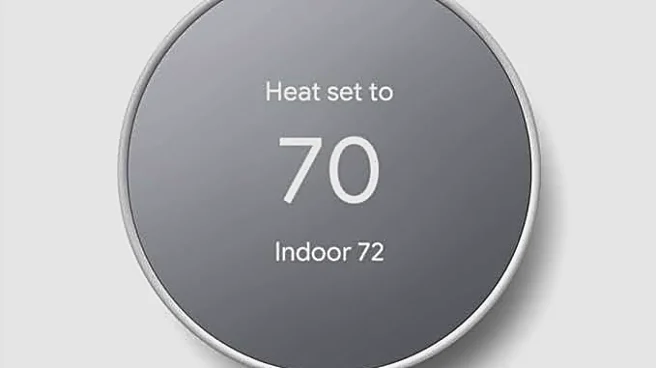
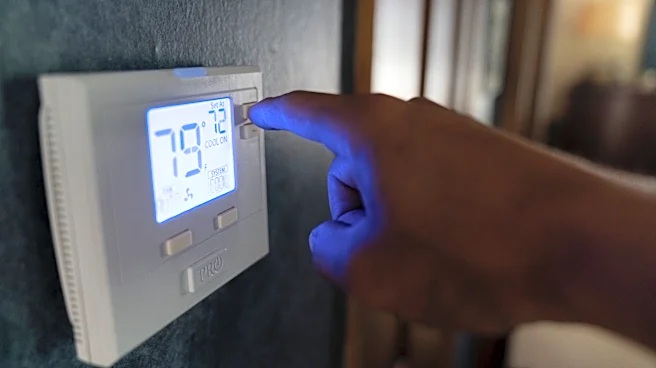
There isn't a specific number you should always keep your thermostat at. In general, experts recommend 78 degrees during warm weather and 68 during cold weather. Residents should aim to keep the difference between the indoor and outdoor temperatures as small as possible to save the most money, according to the U.S. Department of Energy. Each degree the thermostat is raised is a 1% to 3% cost savings on energy bills.
The agency recommends, when it's warm, to keep a home warmer than normal when you are not home to avoid unnecessary air conditioning use. On average, a difference of 7 to 10 degrees for about eight hours a day can save as much as 10% a year on cooling and heating bills.
What is Georgia's preferred sleep temperature?
For Georgians, the preferred sleep temperature is reportedly around 66 (more specifically, somewhere between 65.5 and 67). The state with the coldest sleepers is Massachusetts with a preferred temperature of 63.2 while the state with the warmest is Hawaii at 69.5 degrees.
What can I do to maintain my air conditioner?
- Change or clean the air filter every month.
- Keep leaves, shrubbery and other debris at least 18 inches away from the outdoor unit to avoid blocking the airflow. Don't cover the condenser coil outside to make your house look prettier.
- If you have an outdoor drain, keep it clear and unclogged.
How to save on air conditioning bills
- Use a ceiling fan. Fan use can make you feel more comfortable while using minimal energy. Raising the thermostat two degrees and using a ceiling fan can lower air conditioning costs by up to 14%. Remember to switch off the fan when not in the room.
- A programmable thermostat can prevent extra energy usage during hours you’re not home.
- Close your window coverings. Ambient sunlight can heat a room, and drawing your curtains and blinds can reduce the sun’s heating of your home and keep your air conditioning from running more than necessary. Tightly installed cellular shades can reduce solar heat by up to 60%. Curtains with white-plastic backings can reduce heat gain during the summer by 33%.
- Avoid placing lamps or electronics near your air conditioning thermostat, as it can detect the heat from those appliances and run longer than necessary.
Miguel Legoas is a Deep South Connect Team Reporter for USA Today. Find him on Instagram @miguelegoas and email at mlegoas@gannett.com.
This article originally appeared on Augusta Chronicle: The average Georgia AC is not set to 78. What is the ideal setting?