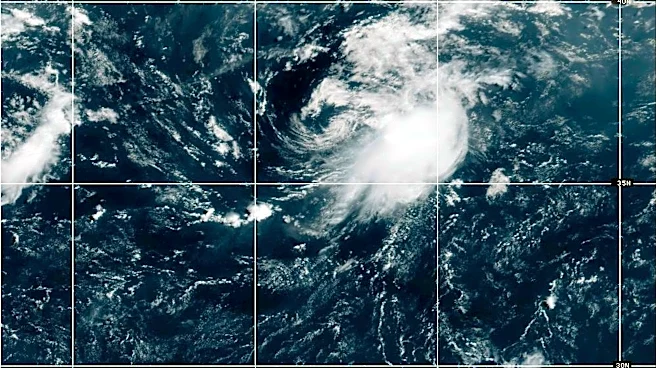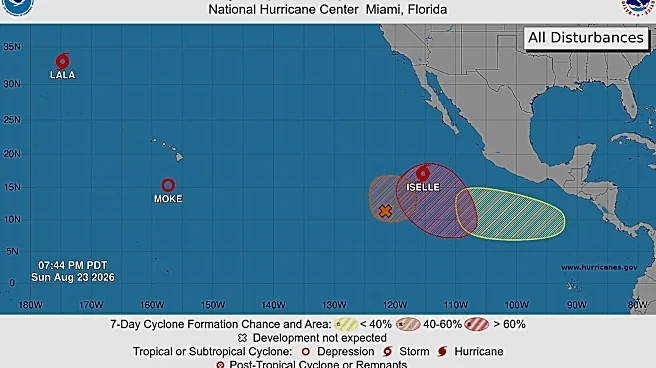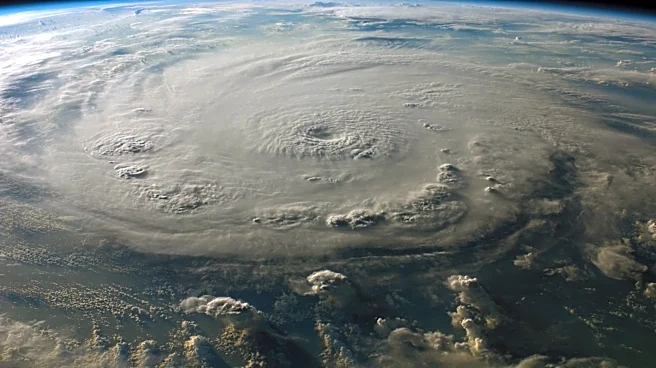


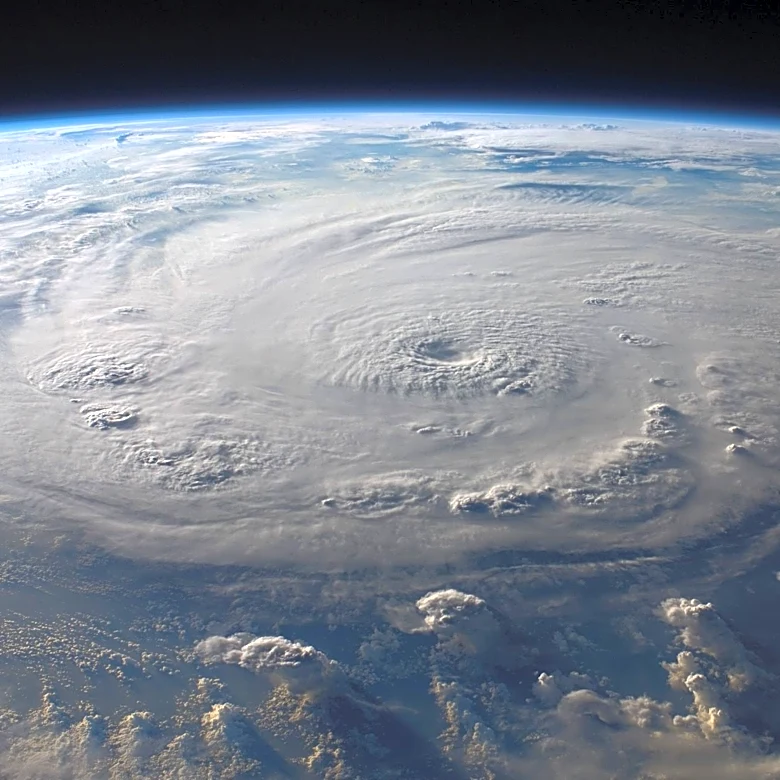

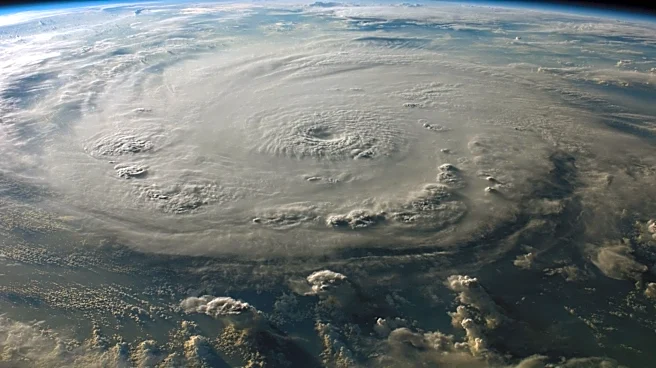
The climatological peak of hurricane season is approaching in early September. Although forecasters are predicting a below-normal Atlantic hurricane season, inland communities should remain prepared for hurricane-related hazards.
Even after a hurricane weakens below hurricane-force strength as it moves inland, it can remain highly destructive in Georgia, according to the National Hurricane Center and as evidenced by those in the Augusta area following Hurricane Helene.
The National Weather Service recently issued an updated outlook for the 2026 Atlantic hurricane season. Forecasters predict seven to 13 named storms with sustained winds of at least 39 mph. Of those, two to six could become hurricanes with winds of at least 74 mph, including up to two major
hurricanes with winds of at least 111 mph. Hurricane season runs through Nov. 30.
Know your area's flood risk. If you are unsure, contact your local emergency management agency or planning department, or visit FloodSmart.gov.
Here are seven ways hurricanes can affect inland communities, according to Climate.gov, the National Hurricane Center and other sources:
Flash flooding
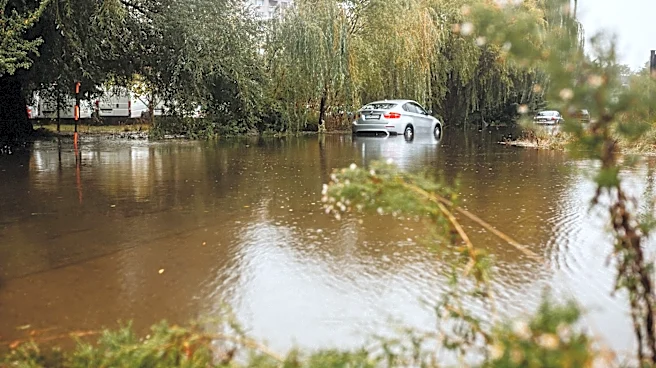
Heavy tropical rainfall can overwhelm creeks, drainage systems, and low-lying roads, causing life-threatening flash flooding far from the coast, according to the National Hurricane Center. Flooding is often the greatest threat to inland residents.
River flooding days later
Rivers can continue rising long after a storm's strongest winds have dissipated, according to NOAA. Flooding along rivers and streams may persist for days after a storm has weakened or moved away.
Tornadoes
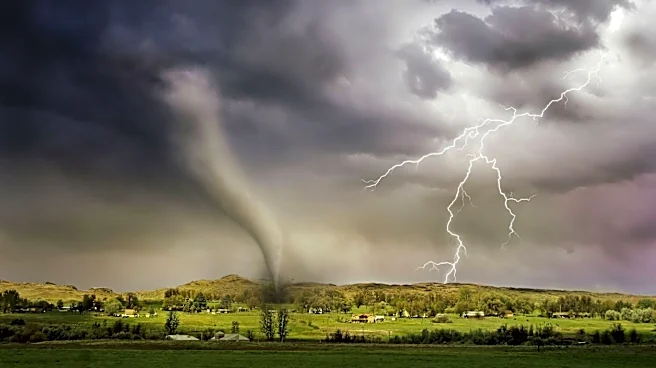
Weakening tropical systems frequently produce tornadoes, especially within outer rain bands. These tornadoes often form well away from the storm's center and can strike inland Georgia with little warning.

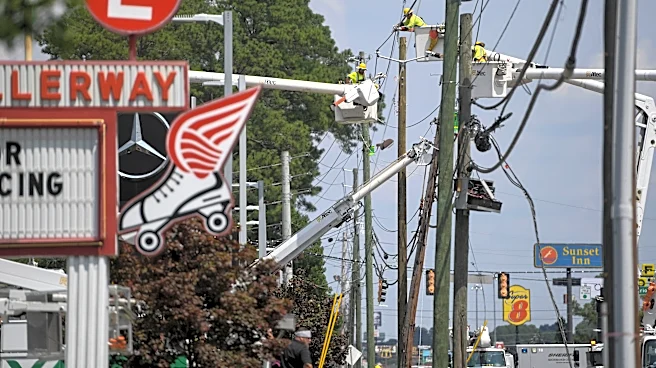
Downed trees and power lines
Even tropical-storm-force winds can uproot trees, break large limbs and damage power infrastructure. The risk increases when heavy rain saturates the ground, making trees more likely to topple.
Landslides and mountain flooding
In north Georgia and the southern Appalachians, tropical moisture can produce extreme rainfall that leads to landslides, debris flows and severe mountain flooding. Hurricane Helene demonstrated that some of the worst impacts from tropical systems can occur hundreds of miles inland.
Damage to infrastructure and transportation
Floodwaters can wash out roads, damage bridges, disrupt utilities and isolate communities, according to the Georgia Emergency Management and Homeland Security Agency. State emergency managers identify inland flooding, damaging winds and tornadoes as major hurricane-related threats across Georgia.
Coastal hazards after landfall
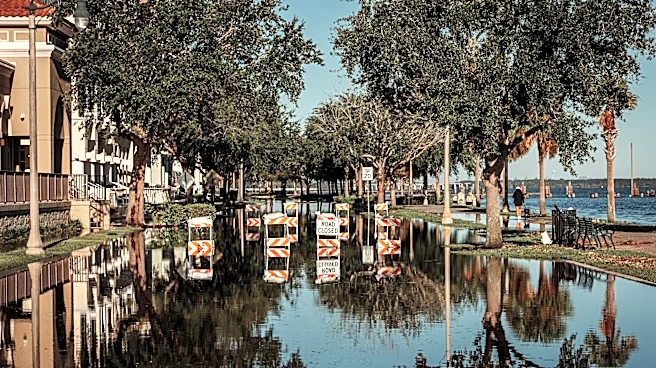
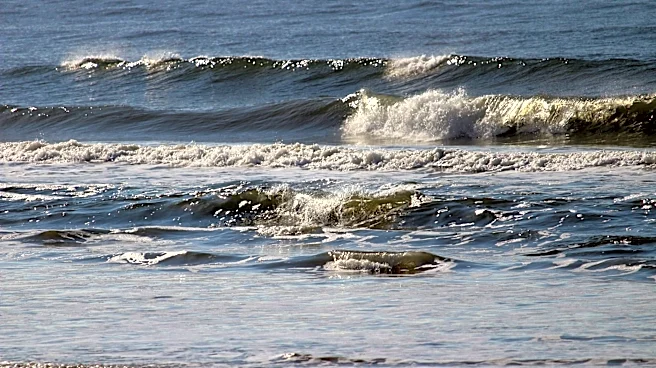
Even when a storm weakens over land, coastal Georgia can continue experiencing storm surge, coastal flooding, beach erosion, dangerous surf and rip currents. These hazards often persist after peak winds have diminished.
Before a hurricane
Prepare a disaster supply kit and assemble a portable emergency kit in case evacuation becomes necessary.
Create a family communication plan and make sure all household members understand it.
Learn the terms used during hurricane season:
- Tropical storm watch: Tropical-storm-force winds of 39 to 73 mph are possible within 48 hours.
- Hurricane watch: Hurricane-force winds of 74 mph or higher are possible within 48 hours.
Be prepared to evacuate if conditions worsen.
- Tropical storm warning: Tropical-storm-force winds of 39 to 73 mph are expected within 36 hours.
- Hurricane warning: Hurricane-force winds of 74 mph or higher are expected within 36 hours.
- If local authorities advise evacuation, leave immediately. Make an evacuation plan for your family and identify multiple routes if possible.
- If you own a vehicle, keep the gas tank full during hurricane threats in case evacuation becomes necessary.
Prepare your property before a storm arrives.
- Install hurricane shutters to protect windows from high winds.
- If shutters are unavailable, board windows with 5/8-inch exterior-grade or marine plywood cut to size in advance.
- Do not use tape on windows. Tape will not prevent glass from breaking.
- Bring inside outdoor furniture, decorations, garbage cans, and other loose items.
- Keep trees and shrubs trimmed to reduce the risk of wind damage.
- Most emergency shelters don't accept pets, so locate pet-friendly accommodations or make arrangements with family or friends.
This reporting content is supported by a partnership with Journalism Funding Partners.
Erica Van Buren is the climate change reporter for The Augusta Chronicle, part of the USA TODAY Network. Connect with her at EVanBuren@usatodayco.com or on X: @EricaVanBuren32.
This article originally appeared on Augusta Chronicle: Hurricane season nears peak as inland storm risks persist