







Climate change is making allergy season longer and more intense, creating new challenges for allergy sufferers across Georgia.
Climate change affects the environment in many ways, including rising temperatures, sea-level rise, drought, and flooding. According to the National Oceanic and Atmospheric Administration, those changes can affect water resources, energy systems, transportation, wildlife, agriculture, ecosystems, and human health.
At Atlanta Allergy & Asthma, trained technicians use a Rotorod machine to conduct daily pollen counts. Depending on the plant type, pollen levels are classified as:
- Trees: Low, 0-14; Moderate, 15-89; High, 90-1,499; Extremely high, 1,500+
- Grass: Low, 0-4; Moderate, 5-19; High, 20-199; Extremely high, 200+
- Weeds: Low, 0-9; Moderate, 10-49; High, 50-499; Extremely high, 500+
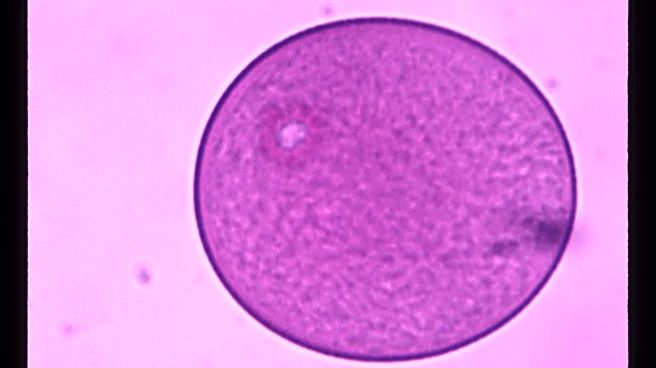
Pollen consists of tiny grains produced by flowering plants, trees, and grasses.
According to the Centers for Disease Control and Prevention, those particles can be carried by the wind and may trigger allergy symptoms depending on a person's exposure.

Here are eight reasons allergy season in Georgia can seem never-ending, according to sources including the American Lung Association.
Warmer winters in Georgia
Warmer winters mean fewer hard freezes to halt plant pollination, according to the American Lung Association. Trees can begin releasing pollen earlier in the year, while weeds such as ragweed continue producing pollen later into the fall. Pollen seasons in the United States are now about three weeks longer than they were 50 years ago because freeze-free periods have expanded.
Tree pollen starts early
In many parts of Georgia, pollen season can begin as early as January or February. Cedar, juniper, oak, birch, and other trees start producing pollen well before spring officially arrives. Georgia's mild climate gives the state one of the nation's earliest allergy seasons.
Year-round allergens
As tree pollen declines, grass pollen increases. When grass pollen fades, weed pollen takes over. Instead of a single allergy season, this cycle can make symptoms feel year-round.
Georgians often experience three overlapping pollen seasons:
- Tree pollen: Late winter and spring
- Grass pollen: Late spring and summer
- Weed and ragweed pollen: Late summer and fall

Ragweed lingers into fall
Ragweed is one of the most potent fall allergens and can remain active until the first hard frost, according to Ear, Nose and Throat of Georgia. A single ragweed plant can produce up to 1 billion pollen grains, and those grains can travel hundreds of miles on the wind. In the Southeast, warm autumn temperatures can keep ragweed active well into November.
Climate change
The challenge is not just a longer allergy season. According to the American Lung Association, plants are also producing more pollen. Higher carbon dioxide levels act like a fertilizer, helping many plants grow larger and release greater quantities of pollen. Experts say plants now produce about 20% more pollen than they did decades ago.
Longer growing seasons
Climate scientists have documented a steadily lengthening freeze-free growing season across much of the United States, according to Climate Central. More frost-free days give trees, grasses and weeds additional time to grow and release allergens. The average U.S. growing season has increased by about three weeks since 1970.
Humidity and rain
Not all allergy triggers come from pollen. Georgia's humid climate can encourage mold growth both outdoors and indoors. After heavy rainfall, decaying leaves and vegetation can release large amounts of mold spores, creating another source of allergy symptoms even when pollen counts begin to decline.
Augusta makes the cut
The Asthma and Allergy Foundation of America's 2025 Allergy Capitals report ranked Augusta among the nation's most challenging metro areas for people with seasonal allergies. According to the report, climate change is contributing to earlier, longer, and more intense pollen seasons, particularly across the South and East.
This reporting content is supported by a partnership with Journalism Funding Partners.
Erica Van Buren is the climate change reporter for The Augusta Chronicle, part of the USA TODAY Network. Connect with her at EVanBuren@usatodayco.com or on X: @EricaVanBuren32.
This article originally appeared on Augusta Chronicle: Climate change fuels longer, more intense allergy seasons in Georgia