



As summer-like temperatures linger deeper into autumn, Georgia's fall foliage appears to be arriving later than it once did.
Climate change is contributing to rising temperatures, sea-level rise, drought and flooding, all of which can affect natural ecosystems. According to the National Oceanic and Atmospheric Administration, those changes can affect water resources, agriculture, wildlife, ecosystems and human health.
For fall foliage, warmer temperatures can alter the timing and quality of autumn color displays.
Seth Hawkins, the urban and community forestry program coordinator for the Georgia Forestry Commission, said the most vibrant fall color is typically found in north
Georgia because of its cooler temperatures.
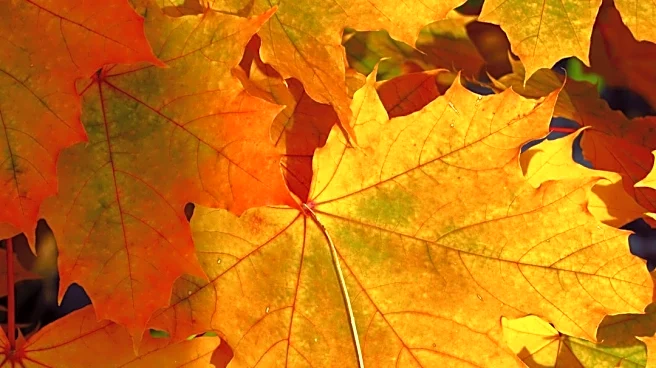
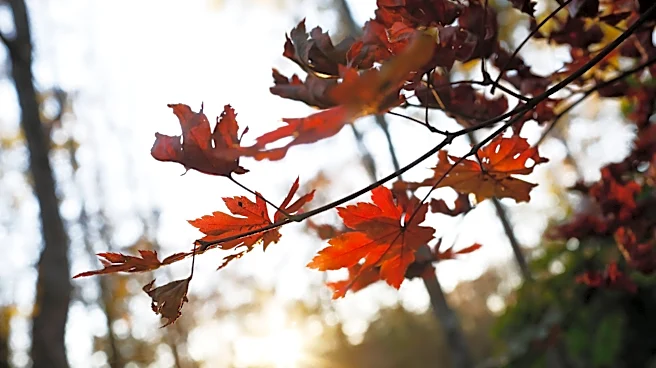
As daylight hours shorten, trees begin producing less chlorophyll, the pigment responsible for their green color. As chlorophyll fades, other pigments become visible, creating the reds, oranges and yellows associated with fall foliage, Hawkins said.

University of Georgia researchers and forestry experts say several trends suggest warmer temperatures are beginning to influence fall foliage across Georgia:
- Peak fall color is arriving later than it once did.
- Fall colors may be less vibrant.
- Drought-related browning and premature leaf drop are becoming more common.
- Year-to-year timing has become less predictable.
- Longer growing seasons and later first freezes can delay color changes.
While shorter days signal trees to begin changing color, warmer temperatures can slow that transition, Hawkins said.
“However, when you have higher temperatures, it does kind of impede the process,” he said. “The trees are a little stressed out. It's been a long, hot summer.”
Georgia also typically experiences drier conditions during early fall, which can add stress to trees, Hawkins said.
“When you see these high daytime temperatures going into leaf-color season, it can delay it a little bit,” he said.
The result can be a shorter but more dramatic burst of color once cooler weather finally arrives.
“Then you're going to have a much flashier, quick leaf-color change,” Hawkins said. “The last couple of summers, it's been a little dry going into it, and we've had a lot of premature leaf drops.”
Moisture also plays an important role in the quality and duration of fall foliage, Hawkins said.
“We want it to be a nice, gentle rain to get everything healthy,” Hawkins said. “A good hard rain with a lot of wind is going to blow a lot of those leaves off.”
Leaves change color in part because trees are protecting their tissues as chlorophyll breaks down, Hawkins said. During that process, trees continue pulling nutrients from their leaves before eventually shedding them for the winter.
This reporting content is supported by a partnership with Journalism Funding Partners.
Erica Van Buren is the climate change reporter for The Augusta Chronicle, part of the USA TODAY Network. Connect with her at EVanBuren@usatodayco.com or on X: @EricaVanBuren32.
This article originally appeared on Augusta Chronicle: Why Georgia’s fall foliage is arriving later each year | Exclusive