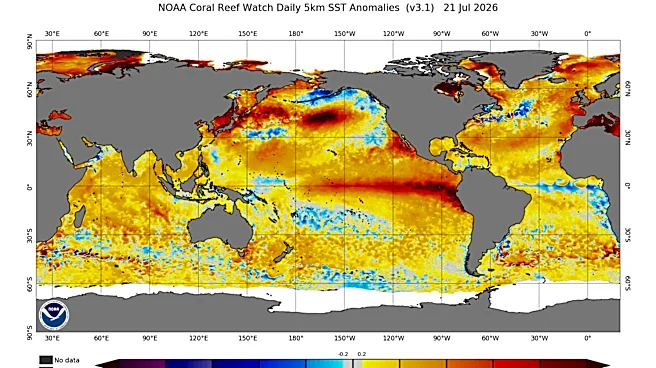






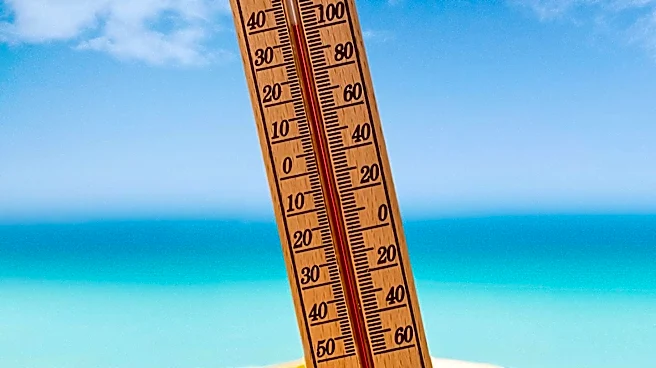
Extreme heat, one of many symptoms of climate change, is altering the seasonal rhythms of wildlife that call neighborhoods, gardens and backyards home, experts say.
Rising winter temperatures are affecting where wildlife live, when they breed, how they find food and even which species show up at backyard feeders, according to the National Oceanic and Atmospheric Administration.
Climate change affects the environment in many ways, including rising temperatures, sea-level rise, drought and flooding. Those changes affect water resources, energy systems, transportation, wildlife, agriculture, ecosystems and human health, according to NOAA.
Here are some of the ways climate change
is affecting wildlife:
Butterflies and pollinators
Many insects emerge based on temperature cues. When warm spells arrive earlier, butterflies, bees and other pollinators may emerge before nectar-producing plants are available. Scientists studying climate impacts on insects say warming can alter development, distribution and survival.
Fire ants
Warmer winters could worsen problems with red imported fire ants in Georgia by allowing them to spread into areas once limited by colder weather. Fire ants can affect ground-nesting birds, young wildlife and pets.
Ticks
Milder winters mean fewer hard freezes that help suppress tick populations. Researchers and public health officials report that ticks are active for more months of the year, increasing the likelihood of encounters in yards, parks and forests. Some climate-sensitive tick species can survive winters more easily and remain active longer when temperatures stay above freezing.

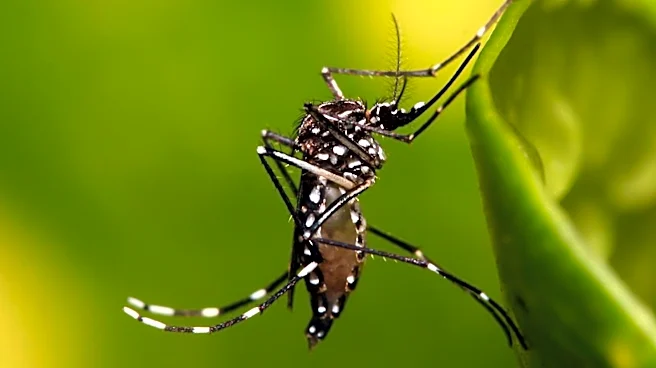
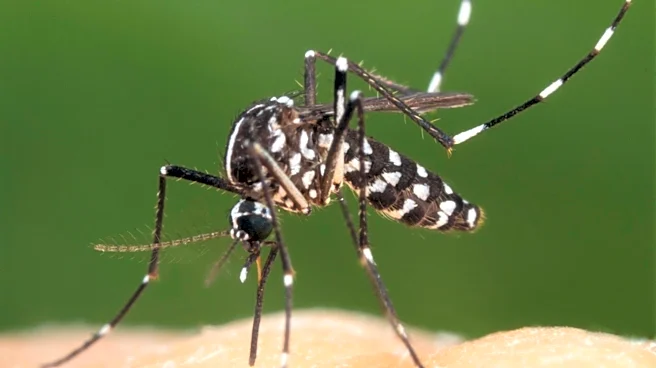
Mosquitoes
Warmer temperatures allow mosquitoes to develop faster and remain active later in the year. Longer warm seasons can increase mosquito populations and extend the period when residents notice them in their yards. Vector-control experts consider mosquitoes highly sensitive to temperature and weather patterns.
Birds
Many migratory birds rely on temperature cues and seasonal food availability. As winters become milder, some species are arriving earlier, delaying migration or spending the winter farther north than they once did. Scientists have documented shifts in migration timing across North America linked to rising temperatures.
Invasive insects
Many invasive insects experience winter die-offs during prolonged cold spells. Warmer winters improve their chances of survival, allowing populations to expand and spread. U.S. Forest Service researchers have identified climate warming as a factor that could increase the success and range of some invasive species.
Native wildlife
As temperatures rise, some species move north or to higher elevations in search of suitable habitat. Georgia wildlife experts expect climate change to alter where animals and plants can thrive, potentially bringing new species into neighborhoods while pushing others away.
Backyard food webs are changing
Warmer winters affect plants, insects, birds and mammals at the same time. Earlier flowering, shifting insect emergence and altered migration schedules can ripple through backyard ecosystems. Retired University of Georgia climatologist Pam Knox says warming is changing environmental conditions across the state, affecting biological systems that depend on consistent seasonal patterns.
This reporting content is supported by a partnership with Journalism Funding Partners.
Erica Van Buren is the climate change reporter for The Augusta Chronicle, part of the USA TODAY Network. Connect with her at EVanBuren@usatodayco.com or on X: @EricaVanBuren32.
This article originally appeared on Augusta Chronicle: See how climate change is altering the rhythms of Georgia wildlife