






As Georgiaheads toward fall, cooler temperatures could give some homeownersa break from the high electricity use that comes with keeping a house cool through the summer.
An analysis from SaveOnEnergysays fall is generally an ideal time to focus on energy savings because heating and cooling demands are typically lower during the season.
That could be especially relevant for Georgia homeowners coming out of another hot summer.
Why your electricity use can drop in fall
Heating and cooling are among the biggest factors affecting how much energy a home uses.

According to SaveOnEnergy, milder fall temperatures generally mean homeowners don't have to rely as heavily on air conditioning or heating compared with the extremes of summer and winter.
That can translate into lower electricity consumption
and, depending on a customer's rate and usage, a lower monthly bill.
However, the savings aren't automatic.
Cooler weather doesn't guarantee a lower bill
SaveOnEnergy notes that other factors can increase electricity use during the fall.
As temperatures drop at night, some households may start using electric blankets or space heaters. Shorter days can also mean more time using lights inside the home.
So while milder temperatures can reduce the amount of energy needed for heating and cooling, other changes in household habits can offset some of those savings.
A small thermostat change could help
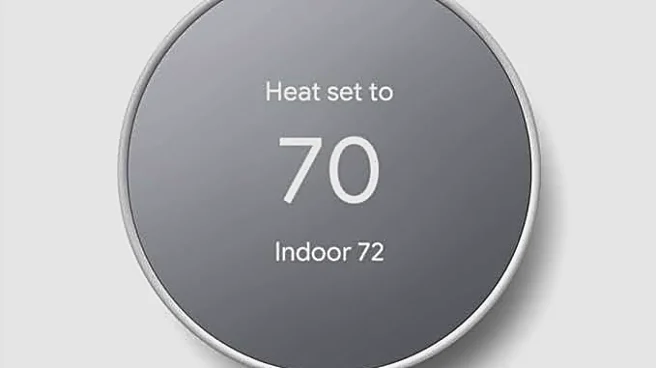
SaveOnEnergy recommends setting the thermostat to 68 degrees or lower when using the heat.
The U.S. Department of Energy says turning a thermostat back 7 to 10 degrees for eight hours a day can save up to 10% annually on heating and cooling costs.
For Georgians, that could mean adjusting the thermostat when leaving home or going to bed instead of keeping the same temperature around the clock.
Fall is also a good time to check your HVAC system
SaveOnEnergy recommends using the fall transition to look for problems that could make a home less efficient before colder weather arrives.
An energy audit can identify issues involving:
- Insulation
- Drafty windows and doors
- HVAC systems and ductwork
- Air filters
- Appliances that may be using excessive energy
Addressing those issues can help prevent a heating system from working harder than necessary once temperatures drop.
What about lights?
SaveOnEnergy recommends energy-efficient lighting such as LED bulbs. The U.S. Department of Energy says LEDs use at least 75% less energy than traditional incandescent lighting and can last up to 25 times longer.
So, will Georgians save money?
Potentially, yes.
The biggest opportunity comes from needing less air conditioning as outdoor temperatures become more moderate. But the amount a household saves will depend on factors including the home's efficiency, thermostat settings, appliances and how much electricity the household normally uses.
In other words, cooler weather can lower the amount of electricity your home needs, but your fall bill still depends on how you use energy once temperatures drop.
Vanessa Johns is the Trending Topics Reporter for the Deep South Connect Team Georgia, covering food and entertainment. Email her at Vcountryman@gannett.com.
This article originally appeared on Augusta Chronicle: Does cooler fall weather help your energy bill? What it could mean for GA