



As summer heat increasingly stretches into autumn, Georgia is experiencing warmer falls, fewer cool mornings and a longer warm season.
Research shows that climate change is raising temperatures across the South and altering many of the seasonal patterns people associate with fall.
Georgia's warmest five-year period on record occurred from 2016 to 2020. Future warming is expected to increase extreme heat while reducing cold-weather events, according to the National Oceanic and Atmospheric Administration's State Climate Summary.
Here are seven ways climate change is changing fall in Georgia.

Fall temperatures are getting warmer
Fall temperatures have increased across the United States, including Georgia, as global
warming raises average seasonal temperatures, according to Climate Central. Since 1970, autumn has warmed nationwide, and unusually warm fall days have become more common.
Summer heat is lasting longer
September and, increasingly, October can feel more like an extension of summer than the start of fall. Warmer temperatures allow summer-like heat to linger later into the season, increasing cooling costs, outdoor discomfort, and the risk of heat-related illness.
NOAA seasonal outlooks have frequently favored above-normal temperatures across the Southeast during the fall months, reflecting a long-term warming trend.
First freeze dates are arriving later
As nighttime temperatures rise, many areas are experiencing longer growing seasons and fewer early-season freezes. According to the National Weather Service, average first-freeze dates in parts of Georgia have historically occurred in October, but warmer conditions are pushing colder weather later into the year.
Fall is staying more humid
Climate change is contributing to warmer, more humid conditions across the Southeast. As a result, the muggy air often associated with July and August is lingering deeper into the fall season, Climate Central reports.

Mosquitoes remain active longer
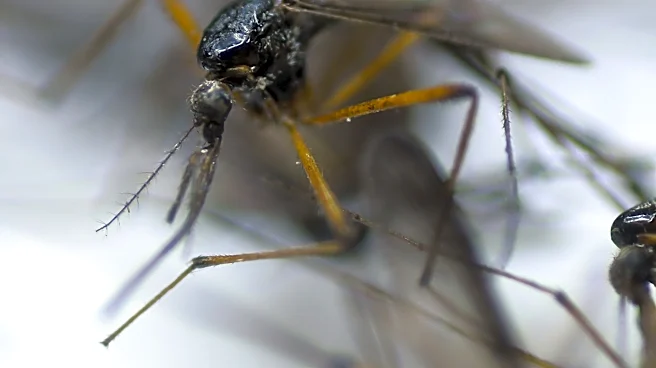
Extended warmth allows insects that thrive in hot weather to stay active later in the year. Climate Central identifies increasingly favorable conditions for mosquitoes as one of several climate-related impacts linked to warmer temperatures.
Fall allergies may last longer
Warmer autumn temperatures can lengthen pollen seasons and delay the hard freezes that help suppress allergen-producing plants. Climate Central lists worsening allergy seasons among the risks associated with warmer fall conditions in the United States.
Trees are changing their fall schedule
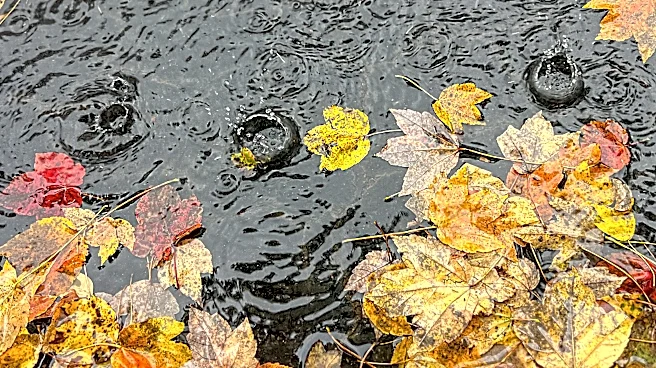
Many trees rely on cooler temperatures to trigger leaf color changes and leaf drop, according to the Georgia Climate Project. When temperatures remain elevated, fall colors may appear later, become less vibrant, or vary significantly from year to year. Warmer autumns can disrupt the seasonal signals trees have historically followed, changing the look and timing of fall foliage across the state.
This reporting content is supported by a partnership with Journalism Funding Partners.
Erica Van Buren is the climate change reporter for The Augusta Chronicle, part of the USA TODAY Network. Connect with her at EVanBuren@usatodayco.com or on X: @EricaVanBuren32.
This article originally appeared on Augusta Chronicle: What happened to fall? 7 signs Georgia’s seasons are changing