






As families across Georgia prepare for back-to-school shopping, consumer experts are warning about a growing scam that could leave shoppers with unexpected charges through their phones, smartwatches or contactless payment cards.
The scam involves criminals using tap-to-pay technology to trick victims into approving payments for much more money than they intended.
Here's what else to know.
Order your back-to-school supplies on Amazon
How does the back-to-school tap-to-pay scam work?
According to consumer watchdogs, scammers often approach people in public places with convincing stories, such as fundraising for a cause, school activities or charitable efforts.

The scammer may ask for a small donation, then encourage the person to use a contactless payment method like Apple Pay, Google Pay or a tap-enabled
card.
The victim may believe they are approving a small amount, but scammers can manipulate the payment process or rush the person into tapping without checking the final charge.
Experts warn criminals often rely on distractions and urgency, hoping people will not verify the amount being charged or the name of the business receiving the payment.
Why are officials warning shoppers now?
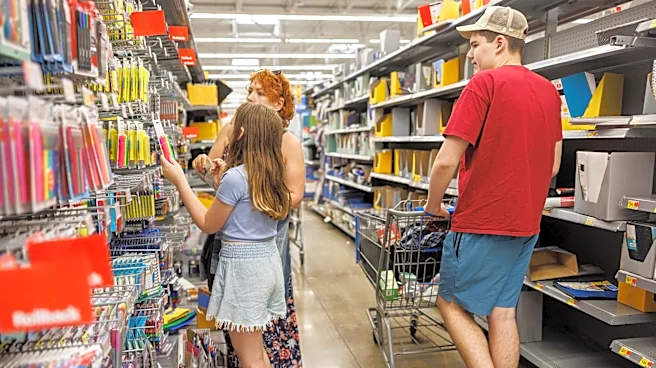
The warning comes as families head to stores across Georgia to buy school supplies, clothing, electronics and other necessities before the school year begins.
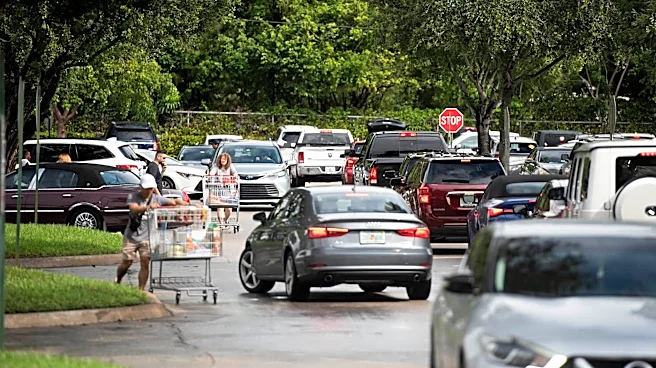
Consumer experts say scammers may take advantage of busy shopping environments, crowded parking lots and people who are distracted while running errands.
The Better Business Bureau has warned about similar contactless payment scams, including situations where victims lose hundreds or even more than $1,000 after believing they were making a small donation.
What is 'ghost tapping'?
Some reports have also raised concerns about a form of contactless fraud known as "ghost tapping."
The term refers to attempts to make unauthorized contactless payments without a person physically handing over their card.
Consumer advocates say this type of fraud appears to be less common than other scams, but they still recommend keeping tap-enabled cards and devices secure.
How can Georgia shoppers protect themselves?
Experts recommend taking a few extra steps before using tap-to-pay:
- Check the screen before tapping: Make sure the amount and payment recipient are correct.
- Do not rush: If someone pressures you to complete a payment quickly, walk away.
- Be cautious with strangers asking for donations: Especially if they insist on contactless payments.
- Turn on bank alerts: Notifications can help you quickly spot suspicious charges.
- Review your accounts regularly: Report unfamiliar transactions to your bank or card provider as soon as possible.
Officials also recommend having a response ready if someone approaches you asking for money.
A simple "I don’t donate through mobile payments" can help avoid uncomfortable situations and protect your finances.
What should you do if you fall for a tap-to-pay scam?
If you notice an unauthorized charge, experts recommend contacting your bank or card company immediately.
Reporting the transaction quickly may help stop additional fraud and could improve the chances of recovering lost money.
As Georgia families prepare for another school year, officials say staying alert could help prevent a costly surprise during the back-to-school season.
For more information, visit freep.com/story/money/personal-finance/susan-tompor/2026/07/15/tap-to-pay-donation-scam-michigan-cost-woman-big-bucks/90824471007.
Vanessa Johns is the Trending Topics Reporter for the Deep South Connect Team Georgia, covering food and entertainment. Email her at Vcountryman@gannett.com.
This article originally appeared on Augusta Chronicle: Watch out for this back-to-school scam in GA. It's sweeping the nation