





As hotter summers in Georgia become more frequent and intense due to climate change, academics say farmers are adjusting in an effort to maintain crops and livestock.
Adapting to a changing climate is necessary because higher temperatures increase drought stress and heat stress on livestock, according to experts at the University of Georgia.
Extreme heat is a period of high heat and humidity with temperatures above 90 degrees for at least two to three days, according to Ready.gov. Georgia farmers are having to adapt to hotter summers, according to various sources including the United States Department of Agriculture.
Many farmers are investing in irrigation
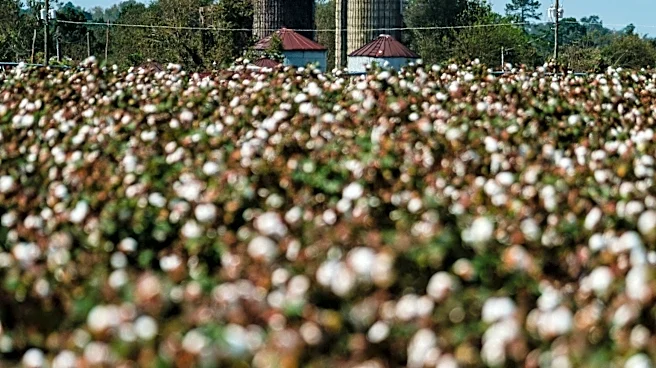
systems or upgrading existing ones to offset hotter, drier conditions and increased water loss from soils and crops. Irrigated acreage is critical during summer droughts, particularly for peanuts, cotton, and vegetables, according to experts with the Georgia Climate Project.
Farmers are reducing evaporation by leaving crop residues on fields, using cover crops, and minimizing soil disturbance. These practices help soil retain moisture longer during prolonged heat. Soil and water conservation is a key climate adaptation strategy for Southeastern agriculture, according to Georgia Organics, McIntosh SEED, and sustainable agriculture specialists.
Researchers and growers are increasingly selecting crop varieties that can withstand higher temperatures and intermittent drought. Crop breeding and variety selection are among the primary adaptation strategies recommended for climate resilience in Southeastern farming systems, according to Georgia Climate Project researchers and Georgia Department of Agriculture assessments.
Farmers are changing when they plant and harvest crops to avoid the most intense summer heat. As weather patterns become more variable, adjusting production calendars helps reduce losses from heat stress and drought, noted UGA climate scientists and agricultural specialists.
Livestock struggle to cool themselves during hotter nights and heat waves. Farmers are installing shade structures in pastures and feeding areas to reduce heat stress and maintain weight gain and productivity, according to the UGA and Georgia Climate Project livestock researchers.
Poultry, dairy and livestock producers are increasingly relying on fans and misting systems to improve evaporative cooling in barns and animal housing. These technologies help animals maintain body temperature during extreme heat.
Georgia producers also rely on the Georgia Automated Environmental Monitoring Network and climate forecasts to make real-time decisions about irrigation, planting, pest management, and harvest timing. Better weather data allows farmers to respond more quickly to heat and drought conditions.
Growing multiple crops or integrating different enterprises can reduce financial risk when heat damages a particular commodity. Climate adaptation case studies show producers pursuing more diversified and resilient farming systems as weather extremes become more common, according to the Georgia Climate Project.
This reporting content is supported by a partnership with Journalism Funding Partners.
Erica Van Buren is the climate change reporter for The Augusta Chronicle, part of the USA TODAY Network. Connect with her at EVanBuren@usatodayco.com or on X: @EricaVanBuren32.
This article originally appeared on Augusta Chronicle: Georgia farmers learning to adapt to extreme heat | Exclusive