


Climate change could affect Georgia hunters and anglers in multiple ways, including where wildlife live and breed, fish survival rates, hunting success, and access to outdoor recreation.
Climate change is contributing to rising temperatures, sea-level rise, drought, and flooding, all of which can affect natural ecosystems. According to the National Oceanic and Atmospheric Administration, those changes can impact water resources, agriculture, wildlife, ecosystems, and human health.
Here are several ways climate change could affect hunters and anglers in Georgia and across the Southeast, according to the Georgia Department of Natural Resources Wildlife Resources Division, the Georgia Climate
Project and other experts:
Hotter temperatures can stress fish populations
Rising air temperatures warm rivers, streams, ponds and reservoirs. The Georgia Climate Project notes that warmer water holds less dissolved oxygen, which can stress fish and increase mortality, particularly among cold-water species and other sensitive aquatic organisms. Lower fish survival rates and shifts in fish distribution can affect catch rates and the long-term health of popular fisheries.
More frequent droughts can shrink fish habitat
High temperatures can accelerate water loss through evaporation and plant transpiration, according to Drought.gov. During drought conditions, ponds, wetlands, streams and reservoirs may shrink, concentrating fish into smaller areas and reducing habitat quality. Lower water levels can increase competition for food and make fish more vulnerable to disease and environmental stress.
Wetland loss can hurt ducks and other waterfowl
Wetlands provide critical habitat for migratory waterfowl, amphibians, and numerous fish species. Drought and changing precipitation patterns can dry out wetlands and reduce available habitat, according to the Georgia Department of Natural Resources Wildlife Resources Division. Wildlife experts say species that depend on wetlands are especially vulnerable during extended dry periods.

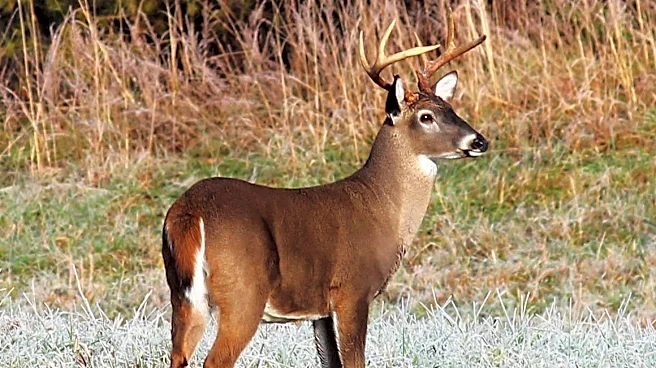
Deer nutrition and reproduction may decline during drought
Severe spring and summer droughts can reduce the growth of vegetation that deer rely on for food. Wildlife experts report that drought conditions can lead to poorer body condition, lower milk production in does, and reduced fawn survival rates.
Wild turkey populations could face breeding challenges
Drought can reduce insect abundance and plant productivity. Insects are a key food source for turkey poults and many other young game birds. Georgia wildlife biologists say prolonged dry conditions may reduce breeding success and decrease the survival of young birds.
Increased wildfire activity can alter game habitat
In addition to drought-related impacts, hotter and drier conditions can increase wildfire risk. Georgia's recent drought-fueled wildfires burned tens of thousands of acres, damaging nesting areas and wildlife habitat. While some species benefit from periodic, low-intensity fires, larger wildfires can disrupt food sources and protective cover for years.
Wildlife ranges and behavior may shift
Beyond direct impacts on habitat, climate change may also alter where wildlife live and how they behave. Researchers and wildlife officials have observed that drought can cause animals such as deer and bears to travel farther in search of resources, while climate change may contribute to broader shifts in habitat use and distribution.
More extreme rainfall and flooding can disrupt spawning and nesting
Climate scientists project more intense rainfall events and increased flooding risks in Georgia, according to the Georgia Climate Project. Floodwaters can wash away fish spawning habitat, destroy nests, alter stream channels and degrade water quality. Georgia's climate outlook identifies increased flooding as a growing risk associated with the state's changing climate.
Coastal fisheries may be affected by sea-level rise
Along Georgia's coast, sea-level rise can alter estuaries, salt marshes and nursery habitats that support commercially and recreationally important fish species. Georgia climate experts identify sea-level rise as one of the most significant long-term threats facing the state's coastal ecosystems.
While many of these changes are already being observed, wildlife experts say the extent of future impacts will depend on how Georgia's climate continues to change and how wildlife habitats are managed and conserved.
This reporting content is supported by a partnership with Journalism Funding Partners.
Erica Van Buren is the climate change reporter for The Augusta Chronicle, part of the USA TODAY Network. Connect with her at EVanBuren@usatodayco.com or on X: @EricaVanBuren32.
This article originally appeared on Augusta Chronicle: Climate change could reduce hunting, fishing opportunities in Georgia