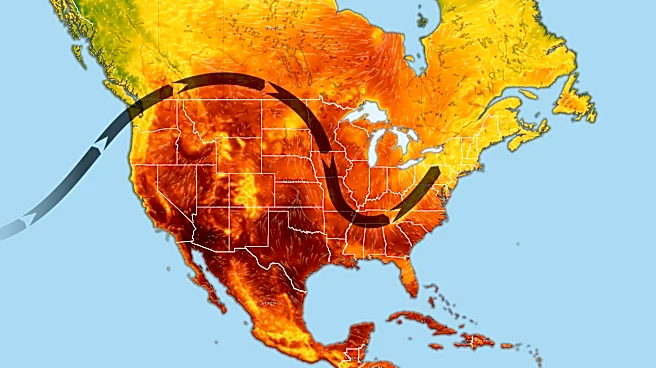







As heat waves become more frequent and intense due to climate change, finding ways to stay cool beyond simply turning up the air conditioning can be challenging, but not impossible.
Extreme heat is a prolonged period of high heat and humidity with temperatures substantially above normal for a specific location and time of year, typically lasting two or more days, according to the U.S. Environmental Protection Agency.
Here are 11 ways to beat the heat this summer, based on guidance from organizations including the World Health Organization:
Turning libraries, malls and movie theaters
Instead of staying home in overheated apartments, consider visiting an air-conditioned public space such as libraries, shopping centers, museums,
and theaters. Using cooling centers or other air-conditioned buildings when home cooling is inadequate is also an option.

Creating DIY "Cool Rooms" at home
Rather than cooling an entire house, homeowners are concentrating cooling efforts in one room. Closing blinds, sealing gaps around windows, blocking sunlight, and using a single air-conditioned room during the hottest part of the day is an option. Consider shading windows and keeping homes closed during peak heat.
Use cooler nighttime air
Many residents open windows overnight and early in the morning to bring cooler air indoors, then close windows and curtains after sunrise to trap it inside. Use cooler nighttime air to reduce indoor heat buildup.
Wear wet clothing or cooling towels
People increasingly use damp bandanas, cooling towels, misting bottles and lightly wetted clothing to stay cool.
Organize heat buddy networks
Communities are creating informal systems to check on seniors, people with disabilities and people living alone. These routine wellness checks during heat emergencies are helpful.
Shift daily schedules
Construction workers, runners, gardeners, dog owners and commuters are moving activities to dawn, evening or nighttime hours. Avoiding strenuous activity during the hottest part of the day is key.
Install reflective cool-roof coatings
Some homeowners are painting roofs with reflective white or light-colored coatings. Cool roofs absorb less solar heat and can lower indoor temperatures while reducing cooling costs.
Grow shade with canopies and plants
People are installing shade sails, pergolas, trellises, climbing vines and container gardens to create cooler microclimates around homes and patios. Heat-island experts identify shade and vegetation as key strategies for reducing local temperatures.
Use splash pads and public pools
Families are treating municipal pools, splash pads and water parks as essential heat-relief resources rather than purely recreational amenities. Georgia communities actively promote public pools and splash pads during heat advisories.
Use community cooling hubs
Neighborhood groups, churches and nonprofits are transforming community buildings into temporary cooling hubs that provide water, shade, charging stations and health information. Community cooling centers are an effective heat-protection strategy.
Replace pavement with cooler surfaces
Homeowners and neighborhood groups are removing unnecessary asphalt, adding vegetation, using lighter-colored materials and creating permeable landscaping. Urban climate experts identify these approaches as effective ways to combat urban heat islands.
CDC tips for staying cool outdoors
The Centers for Disease Control and Prevention recommends:
- Stay in the shade as much as possible.
- Take breaks when you can.
- Do outdoor activities during the coolest parts of the day or evening, if possible.
- Carry a water bottle.
- Drink water and refill your bottle throughout the day.
- Consider limiting beverages high in sugar and sodium, as well as caffeine and alcohol.
This reporting content is supported by a partnership with Journalism Funding Partners.
Erica Van Buren is the climate change reporter for The Augusta Chronicle, part of the USA TODAY Network. Connect with her at EVanBuren@usatodayco.com or on X: @EricaVanBuren32.
This article originally appeared on Augusta Chronicle: Heat waves intensify as climate changes. These tips can help.