






Enjoying Halloween's spooky fun while reducing your environmental impact may seem challenging, but experts say a few simple changes can make a difference.
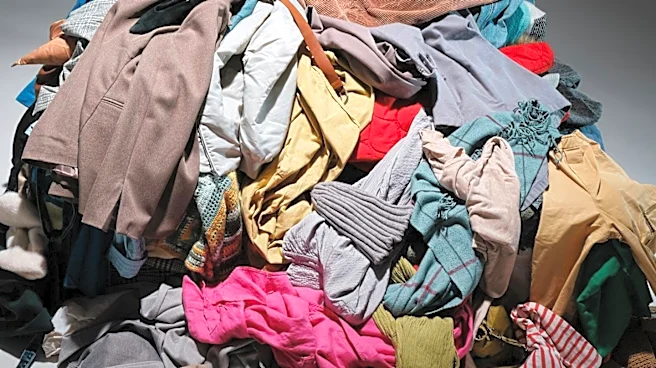
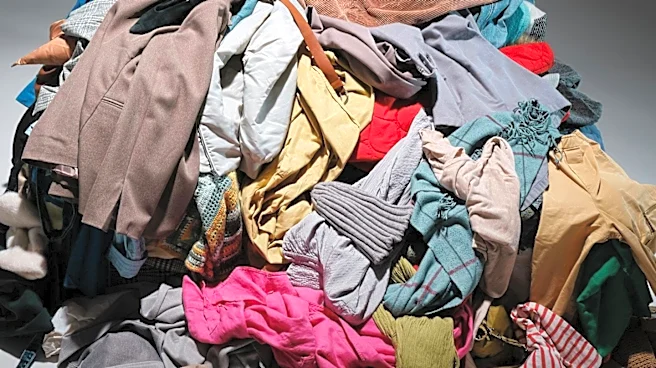
More than 11 million tons of textiles end up in U.S. landfills each year, according to the U.S. Environmental Protection Agency. The agency estimates that about 85% of textiles are discarded rather than recycled.
Many store-bought Halloween costumes are made from synthetic materials such as polyester and are often worn only once before being thrown away.
Organizations including Keep America Beautiful, the Georgia Recycling Coalition and the World Wildlife Fund recommend these tips for a more sustainable Halloween:
Shop your closet first
Before buying a new costume,
see what you already have at home. Black clothing, flannel shirts, dresses, boots, hats and scarves can be transformed into witches, vampires, scarecrows, historical figures and other Halloween characters with a little creativity. Reusing clothing you already own can help reduce waste and save money.
Consider secondhand options
If you need additional costume pieces, check thrift stores, consignment shops and online resale marketplaces. Shopping secondhand gives clothing a longer life and can help keep textiles out of landfills.

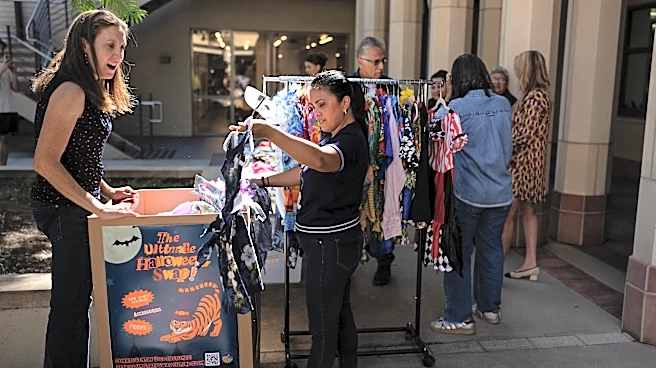
Organize a costume swap
Consider swapping costumes with friends, neighbors, classmates or community groups. Costume swaps are a simple way to reuse items that children have outgrown or adults no longer wear.
Get creative with upcycled materials
Look around your home for materials that can be repurposed. Cardboard boxes can become robots, old sheets can become ghosts and fabric scraps can be turned into capes, masks and accessories.
Skip single-use accessories
Plastic masks, toy swords and other novelty accessories often end up in the trash after Halloween. Instead, use props you already own, borrow items from friends or choose reusable accessories that can be stored and used again.
Try costume makeup
Face paint and makeup can help create a memorable costume without purchasing a complete outfit. A few makeup supplies can transform someone into a cat, skeleton, zombie or fantasy character while generating less waste.

Choose a costume you'll wear again
When possible, select a costume that can be reused for future Halloweens, school events, theater productions or dress-up play. The longer a costume is used, the smaller its environmental footprint.
Fast-fashion facts to keep in mind according to the National Retail Federation:
- The average person wears many clothing items far fewer times than in previous decades before discarding them.
- Only a small percentage of textiles are recycled each year.
- Many textiles can take decades, or even centuries, to break down in landfills.
- Even when clothing is donated, some items ultimately end up in the waste stream.
This reporting content is supported by a partnership with Journalism Funding Partners.
Erica Van Buren is the climate change reporter for The Augusta Chronicle, part of the USA TODAY Network. Connect with her at EVanBuren@usatodayco.com or on X: @EricaVanBuren32.
This article originally appeared on Augusta Chronicle: 7 easy ways to make your Halloween costume more eco-friendly | Exclusive