


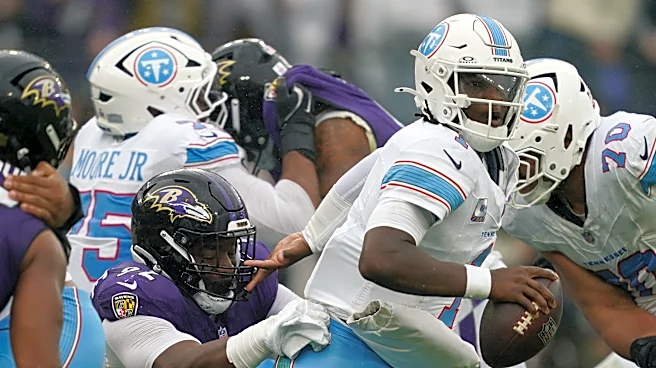
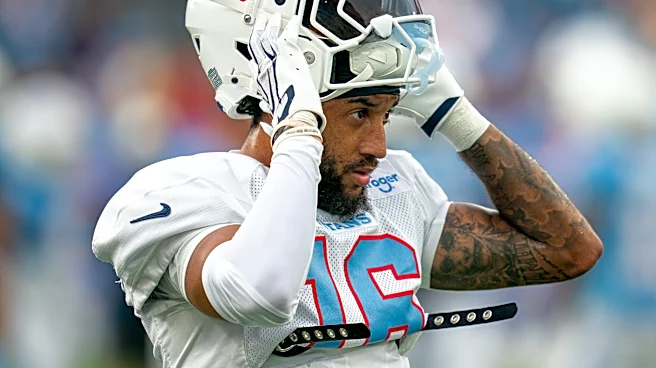

The Tennessee Titans fired three front office employees this week, raising questions when the news broke Oct. 7.
Senior vice president and chief revenue officer Adam Nuse, senior vice president of brand marketing Erin Swartz and vice president of creative Charles Jensen are all out.
Swartz was in charge of the team's recent rebrand effort. Nuse played a key role in the vision of new Nissan Stadium.
The Titans declined The Tennessean’s request on Oct. 8 to speak with or provide a statement from controlling owner Amy Adams Strunk or team president and CEO Burke Nihill.
Text messages to Nihill and senior VPs Dan Werly and Adolpho Burch III were not returned.
Here are five questions we’re asking in the wake of what’s happened.
1. With changes in Titans front office, what does it mean for president and CEO Burke Nihill?
This is important. Without
public reassurance from Adams Strunk about the matter, fans will speculate about whether any of this has to do with Nihill’s performance. He was elevated to his role in 2020 to replace replacing retiring executive Steve Underwood, after serving as senior vice president of business operations and chief legal officer.
2. Why was Erin Swartz fired after Titans uniform rebrand?
This was perplexing, unless Swartz was hired solely to see the rebranding effort through.
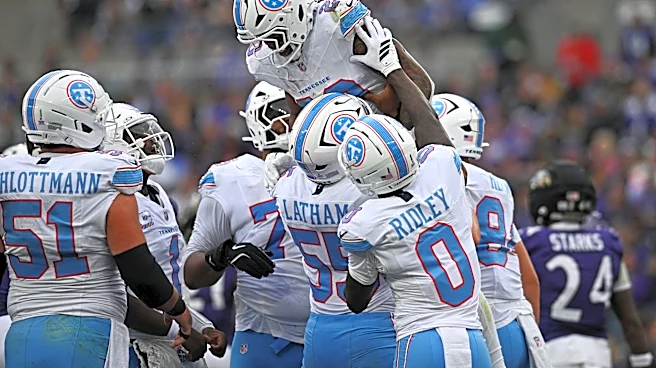
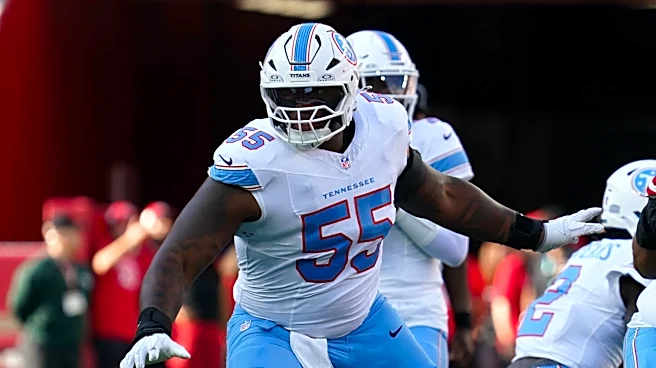
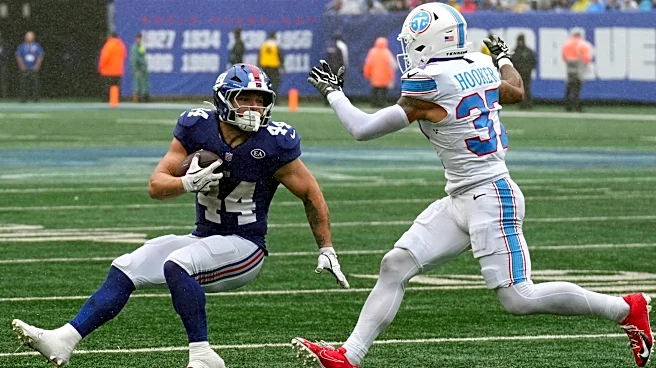
Swartz's effort wasn’t limited to uniforms. The new logos, new lettering and revised color scheme were part of changes reflected across the board, down to signage and accents throughout the team facility.
Publicly, the change was trumpeted as both a success and long-term commitment.
"The inspiration here was 2045," Nihill told reporters before last spring’s jersey reveal party. "Who is this team in 2045? If you’re going to take a moment and you’re going to bring all of those best elements together to create a next chapter that’s going to stand the test of time, we felt like it was possible and we felt like we pulled it off."
3. With the importance of selling tickets for new Nissan Stadium, why was Adam Nuse fired?
Nuse was critical to the development and vision of Nissan Stadium 2.0. He also led revenue-generating efforts, which included the Titans House, a Nissan Stadium experience center located in the Germantown area where season-ticket holders can see what the new building offers.
4. How much of Titans front office firings is about downsizing?
It’s easy to view professional sports organizations as bottomless cash pits, but that’s not the case. Front-office employees get paid a lot, and the budget for construction costs for the new Nissan Stadium exceeded initial estimates by $100 million in 2024, going from $2.1 to $2.2 billion.
The Titans initially agreed to finance $840 million, a figure that has grown to $940 million.
Still, the cost-saving appears to come from just two vacated positions. The Titans plan to hire an executive vice president and chief business officer to lead their revenue, marketing and communications teams.
5. Is this good for business?
The Titans want sellouts for the new stadium when it opens for the 2027 season. The team’s 3-18 record the past two seasons, drug down by an 0-4 start this year, isn’t helping.
Tennessee’s contingent would welcome any sign of hope right now.
But with the rash of firings since 2024 — which include former coaches Mike Vrabel and Brian Callahan, and general manager Ran Carthon — fans are wondering again, perhaps even more deeply, about orgniazational dysfunction.
Tyler Palmateer covers the Tennessee Titans for The Tennessean. Have a story idea for Tyler? Reach him at tpalmateer@tennessean.com and on the X platform, @tpalmateer83.
This article originally appeared on Nashville Tennessean: What we're hearing about Tennessee Titans front office firings, questions we have