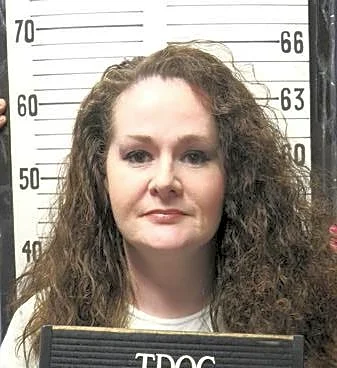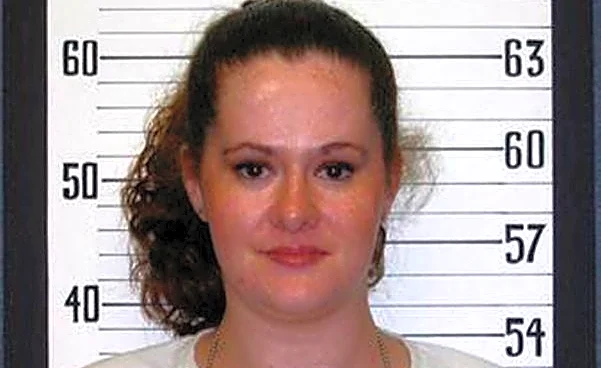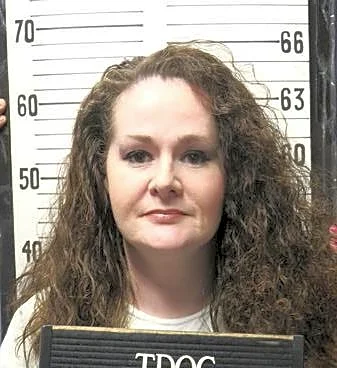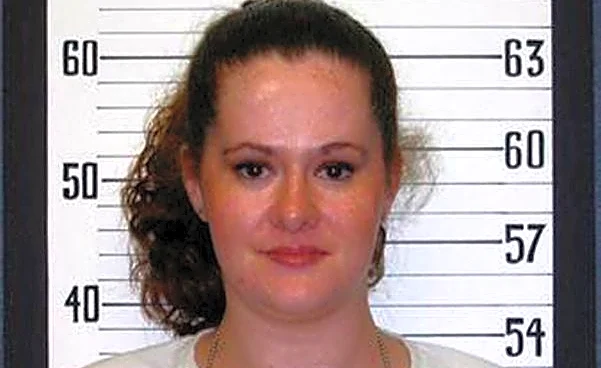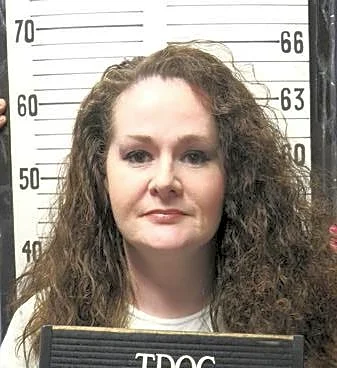






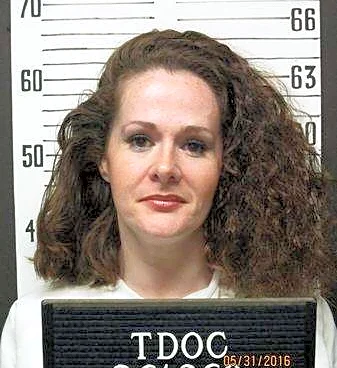
Problems during Tennessee’s lethal injection procedure for Christa Pike come just four months after the state abandoned another execution when officials were unable to establish the IV lines needed to administer lethal injection drugs.
In May, execution personnel repeatedly tried to establish IV access for death row prisoner Tony Carruthers but could not establish the second line required under the state's protocol. Dr. Mark Fowler then unsuccessfully attempted to place a central line.
Fowler had not placed a central line in at least 13 years, according to his deposition in litigation over Tennessee's execution procedures. Fowler testified that he had placed about a dozen central lines during his career and had no current hospital privileges.
After Carruthers spent more than an hour strapped to the execution gurney, the state abandoned the execution.
Fowler was also set to oversee Pike's execution on Sept. 30, according to news reports.
Nearly 40 physicians urged Gov. Bill Lee to halt executions following the failed Carruthers attempt, arguing it showed the Tennessee Department of Correction was unable to carry out lethal injections in accordance with its own procedures.
On Aug. 5, 2025, Tennessee executed Byron Black, 69, by lethal injection. Black appeared to be in pain as pentobarbital flowed through his veins, according to a Tennessean reporter who witnessed the execution.
Black's attorneys later said an electrocardiogram showed cardiac activity continued for nearly two minutes after prison officials pronounced him dead.
The problems follow years of scrutiny over Tennessee's lethal injection system.
Lee halted executions in 2022 after TDOC acknowledged it had failed to follow its own execution protocol. An independent investigation found systemic failures stretching back years, including the department's failure to consistently test lethal injection drugs for potency, purity and contaminants.
The failures raised the likelihood that condemned prisoners had been executed using expired, compromised or untested drugs.
Billy Ray Irick, executed in 2018, and Donnie Johnson, executed in 2019, received drugs that had not been tested for endotoxins, according to the investigation. Midazolam, the drug intended to render Irick unconscious before the remaining drugs were administered, also had not been tested for potency.
The findings prompted Tennessee to overhaul its execution procedures.
In late 2024, the state announced it would abandon its previous three-drug cocktail and instead use a single drug, pentobarbital, a powerful sedative that is lethal at high doses.
The new protocol calls for administering 5 grams of pentobarbital. But the 44-page protocol released to The Tennessean in January 2025 contained significantly less detail about how execution drugs would be obtained, tested and stored than the state's previous 99-page protocol.
Questions have also persisted about where Tennessee obtains its execution drugs.
Records obtained by The Tennessean showed the state had paid nearly $600,000 for lethal injection drugs in recent years, including one payment of $525,000. TDOC withheld the supplier, dates and other information that would identify what was purchased.
Pharmaceutical manufacturers have increasingly sought to prevent their drugs from being used in executions, forcing states to seek alternative suppliers, including compounding pharmacies.
Tennessee's previous supplier was a Texas compounding pharmacy that had been fined for failing to disclose a misdemeanor charge against an owner, according to a 2022 Tennessean investigation.
This article originally appeared on Nashville Tennessean: Botched Christa Pike execution follows years of lethal injection issues