





After a deadlocked vote earlier this month, top state officials voted to forego typical bidding and disclosure processes as the state seeks a developer to turn 10 acres of state-owned parking lots near the Tennessee Capitol — including the staging site of the Boring Company’s tunnel — into housing, hotels and retail space.
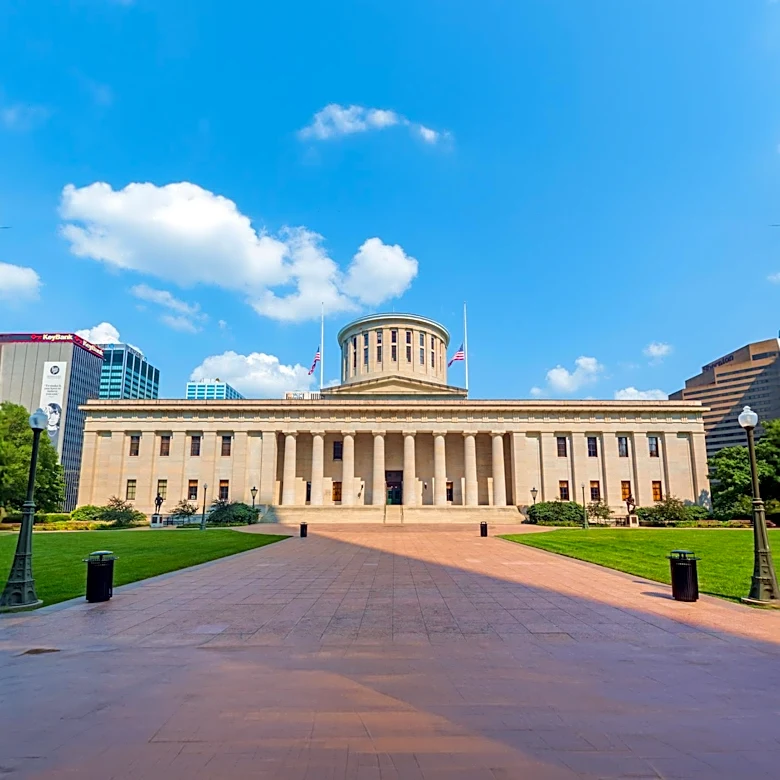
A handful of surface parking lots around the capitol complex have sat undeveloped as Nashville's growth has boomed. Now, the Department of General Services is seeking a master developer to transform that space — and build more convenient parking for state employees.
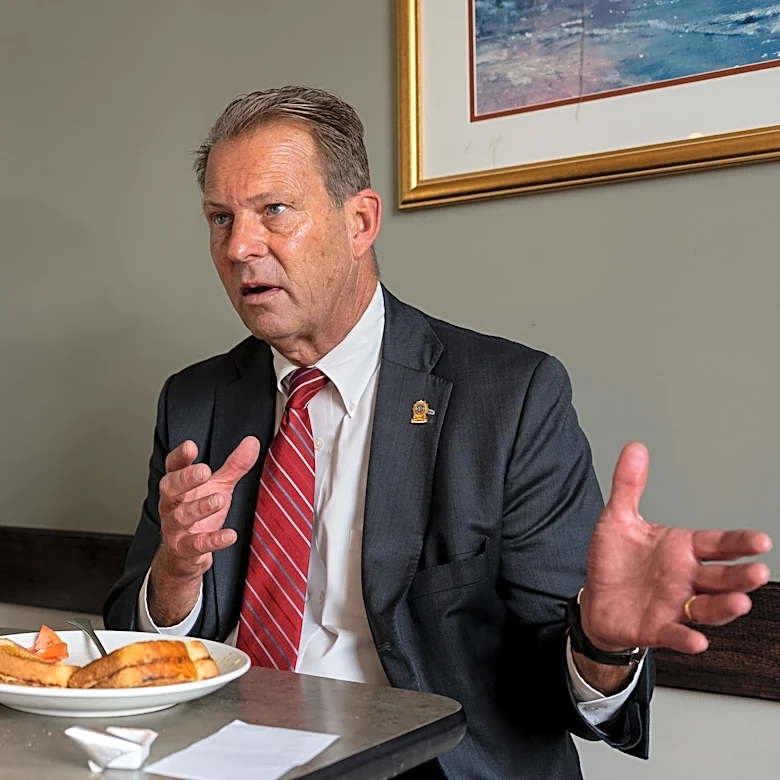
Gov. Bill Lee said Sept. 21 that it's a priority for the project to get underway before he leaves office in January.
“I’ve felt for a long time that the state was
not utilizing the property that it owns in a way that was in the best interest of the taxpayers,” Lee said. “That land has been significantly underutilized from a revenue standpoint for the state, and that’s really what prompted this effort.”
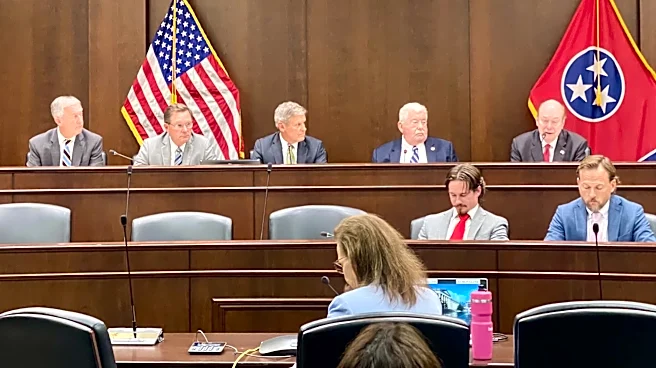
State Building Commission members unanimously voted to approve a waiver for General Services to begin engaging with developers in the coming months. Final proposals will come back before the commission.

Now that the waiver is approved, the state will begin seeking qualified developers to make specific pitches for the area but will not open a general competitive bid.
A team of analysts from the executive and legislative departments will review the proposals and identify multiple finalists, which the Building Commission will consider.
Under the waiver, the state would retain ownership of the land but a developer would hold a long-term lease.
One of the parking lots included in the deal is the building site for Elon Musk's Boring Company tunnel. But there was little conversation about that element of the deal during the meeting.
Lt. Gov. Randy McNally — who voted against the deal two weeks ago but ultimately supported it — said the commission's waiver approval had nothing to do with the Boring Company's Music City Loop project.
“I think they will continue to do the digging and possibly put in a station," McNally said. "But that would have to come before the Building Commission."
Deadlocked vote leads to special meeting
By law, Tennessee’s Department of General Services is required to submit plans for public-private partnerships during the annual budget cycle. No plans for the project were disclosed during the 2026 legislative session.
During its Sept. 10 meeting, General Services asked the State Building Commission to waive the standard legislative disclosure process, allowing the agency to seek a developer before the end of Lee’s term.
But amid unanswered questions about what the state is looking for out of the deal, commissioners came to an impasse and decided to delay a final vote on the matter until more questions were answered.
General Services Commissioner Andy Kidd told commissioners that the state will look to developers to "tell us what makes sense for the market and the industry."
During the public comment period on Sept. 10, Sen. Heidi Campbell, D-Nashville, raised questions about the value of the state property to be leased and why the state would give specific developers such control over taxpayer assets — drawing parellels to the state's preferential treatment of the Boring Compnay.
"This makes it clear that the state is going to choose one developer without ever asking everyone what they would pay," Campbell said on Sept. 10.

In response to concerns about a specific developer, DGS spokesperson Michelle Parks said the agency does not have a developer in mind for the project.
"The project will be procured through a competitive Request for Qualifications process that is open to any qualified developer," Parks said.
In a rare appearance at the Building Commission’s Sept. 21 meeting, Lee said his administration has “worked on this for several years,” raising new questions about why no plans were disclosed during the 2026 budget process this spring and about the urgency to get a deal done now.
Parks said that when DGS submitted its budget proposal last September the agency did not anticipate to pursue the project as a public-private partnership. After discussing the plan with the Office of the State Architect, the agency learned in April that it would move forward as a public-private partnership, necessitating a waiver.
A spokesperson for Lee's office did not immediately respond to an emailed request for comment.
Campbell criticized the commission's decision to skip the regular legislative disclosure process amid pressure from the Lee administration.
"We should not, as a state, waive the processes that we require legally for people to go through just because he wants to hurry it up," Campbell said.
Democrats raise transparency concerns
No Democrats sit on the State Building Commission. On Sept. 21, both Campbell and House Democratic Caucus Chair John Ray Clemmons spoke to commissioners, reiterating concerns about transparency.
“The state is required to receive fair market value,” Campbell told commissioners. “If the state must receive fair market value, why wouldn’t we use price competition to discover what the market will actually pay?”
Campbell noted that the deal includes the option to add in the 24-story James K. Polk Building, where the Tennessee Performing Arts Center is located, along with state offices and the former site of the Tennessee State Museum. The building is not set for commercial valuation until 2030. Campbell said commissioners "shouldn't bundle an unvalued state asset" into the deal.
“If this is a good deal for Tennessee," she said, "transparency and competition will prove it."
Vivian Jones covers state government and politics for The Tennessean. Reach her at vjones@tennessean.com.
This article originally appeared on Nashville Tennessean: State officials approve first step in major development around Capitol