





From new businesses opening and families moving in, to the roads that seem to get busier every year, Tennesseans see our state’s rapid growth every day.
The growth brings tremendous opportunity, but it also raises an important question for rural Tennessee: How do we embrace new opportunities while preserving the things that make these communities such special places in which to live?
For us, the answer is making sure the people, land and industries that have sustained these communities for generations always have a place in Tennessee’s future.
Preserving Tennessee's agriculture industry
Agriculture and forestry play a critical role in our state’s success. Together, they directly and indirectly support more than 390,000 jobs, or 8.5% of the state’s total employment, while contributing more than $103
billion annually to Tennessee’s economy.
Farms are a defining part of the landscape and the communities they support. As Tennessee grows, continuing to protect that land is more important than ever before. The Farmland Preservation Act created a permanent conservation easement and grant program to help farmers voluntarily preserve their land for future generations while continuing to work and make a living from it.
Tennessee Republicans have also strengthened protections around agricultural and non-agricultural land owned by foreign adversaries, including restrictions on new purchases and reporting requirements.

Protecting Tennessee state parks
That same commitment to protecting our land can be seen in our state parks. Tennessee has 1 of only10 state park systems in the nation that is free to access, and no citizen is more than an hour's drive from one of these unique parks.
An estimated 38 million visits are made to Tennessee’s 68 state parks every year, with visitors enjoying the state’s natural beauty while also contributing to the rural communities around them. In 2024, state parks generated an estimated $1.9 billion in economic impact and supported more than 13,000 jobs.
Building on that momentum, the General Assembly invested $81.6 million in the 2026 budget for three new state parks. The state celebrated the grand opening of Clinch River Valley State Parkin Hancock County on Aug. 21 and Dry Branch State Parkin Lewis County on Sept. 23.
This is a great example of how we can protect natural resources while giving citizens more opportunities to enjoy them and communities greater economic benefit from the visitors they attract.

Supporting Tennessee farmers
Farmers and small business owners are the backbone of these communities, and it’s important to us that they have a voice in the decisions that affect their livelihoods.
The Regulatory Freedom Act gives lawmakers greater oversight of costly new regulations, helping ensure Tennesseans have a seat at the table before new requirements take effect. That kind of oversight can help local business owners and farmers stay competitive and continue growing.
At the same time, more Tennesseans are thinking about where their food comes from and looking for ways to support the people who produce it. Tennessee’s new voluntary meat-labeling program, approved by the General Assembly, will give consumers another way to identify products raised here while giving local farmers another opportunity to reach those customers.
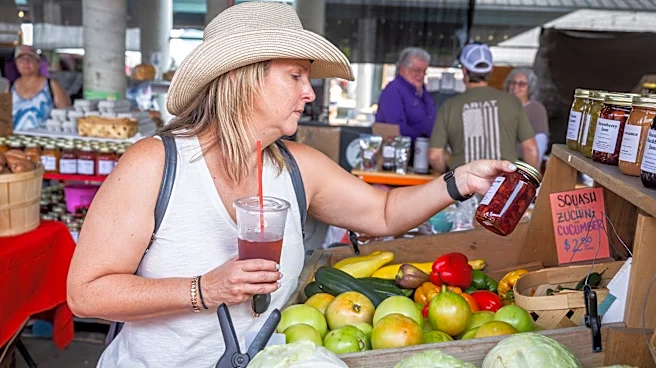
When you buy from a local farmer, you are supporting a neighbor, keeping economic activity closer to home and helping strengthen the communities we’re blessed to live in. If we want those communities to remain strong, we have to think beyond today.

Ensuring a strong future for rural Tennessee
The next generation needs to see a future for themselves in the Volunteer State. We need young farmers, entrepreneurs and skilled workers ready to carry that work forward.
Programs like the Tennessee FFA and 4-H are helping young Tennesseans develop skills in agriculture, leadership and entrepreneurship that can prepare them for the future. Together, the programs serve more than 185,000 students across the state.
That’s why the General Assembly approved a $1 million recurring investmentin the 2026-27 state budget specifically for agricultural innovation and education to help expand those opportunities.
Investing in those opportunities also means investing in the infrastructure that helps keep rural Tennessee connected and thriving. During the 114th General Assembly, Republicans made significant investments in rural infrastructure, including nearly $61 million for the Rural Development Grant Fund and $20 million for short-line railroad rehabilitation and improvements.
Farmers need safe roads to move equipment, livestock and crops. Businesses need to reach customers. Families need reliable ways to get to work, school and everything in between.
As our state continues to grow, we have an opportunity to strengthen our communities while protecting the farmland, natural resources, local businesses and traditions that have sustained them. That is how we make sure our rural communities are not just along for the ride but have a strong say in where Tennessee goes next.
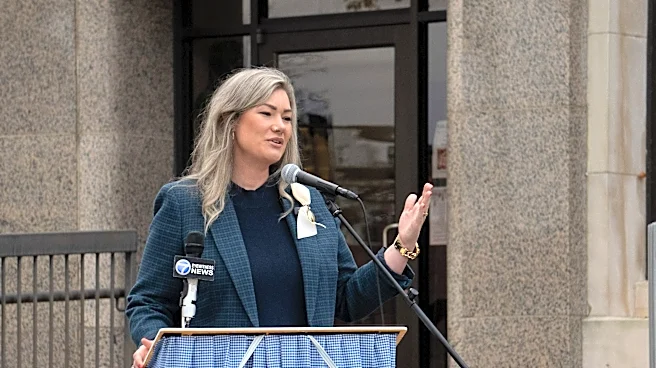
Rebecca Alexander represents District 7 in the Tennessee House of Representatives, which includes part of Washington County. She is a member of the Agriculture and Natural Resources Subcommittee and Agriculture and Natural Resources Committee.
Chris Todd represents District 73 in the Tennessee House of Representatives, which includes part of Madison County. He has chaired the Agriculture and Natural Resources Committee since 2023.
This article originally appeared on Nashville Tennessean: Why Tennessee is prioritizing support of rural communities | Opinion