

Nuance has ceased to exist in an era of social media and aggregation, where hot-take artists get rewarded for breathlessly shouting into megaphones and microphones to gain and keep attention.
And, boy, here’s a word that’s sure to accomplish to turn heads:
Gun.
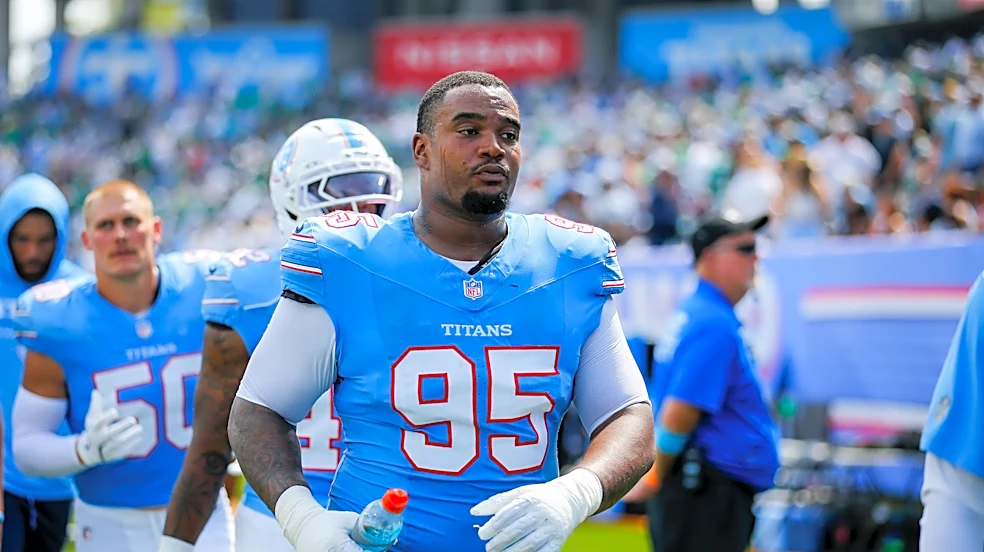
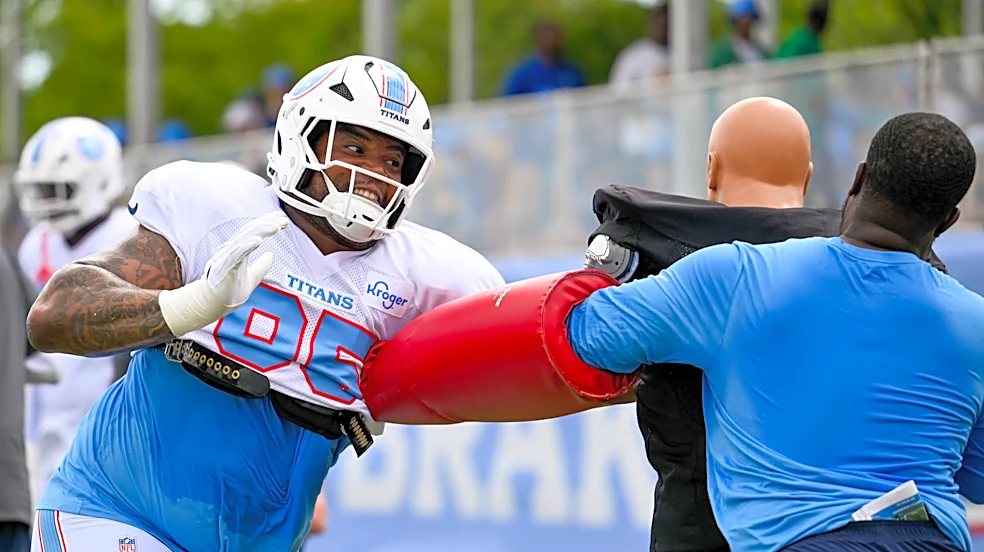
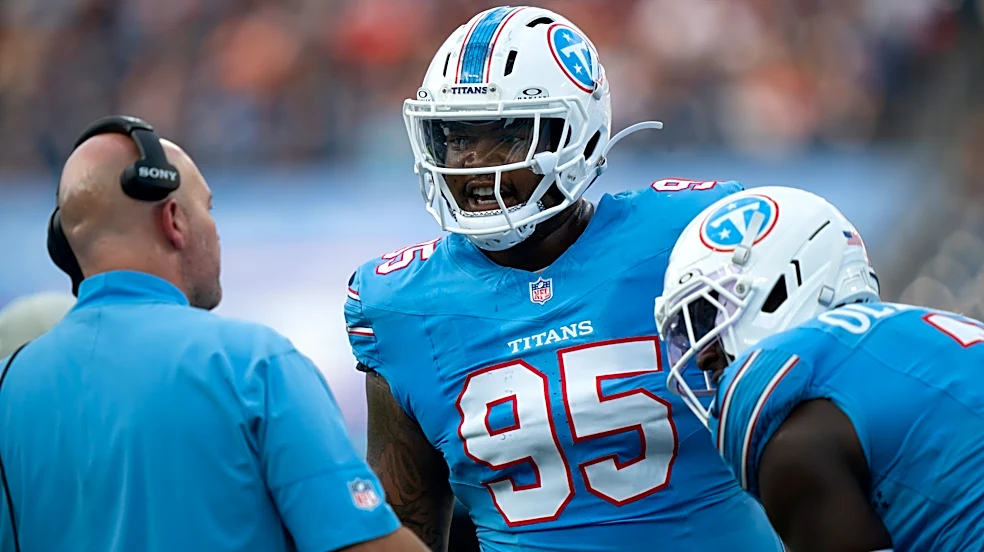
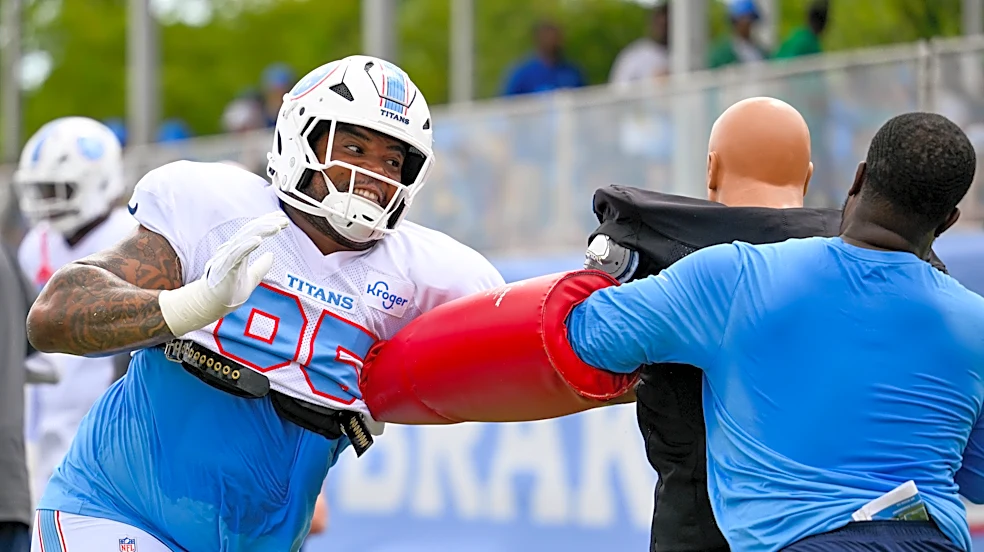
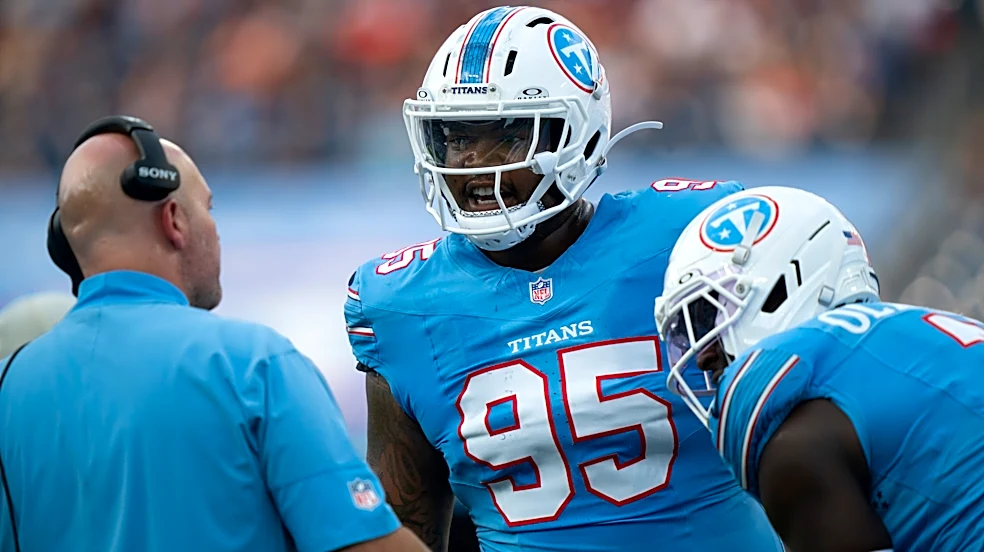
So, of course, it’ll be about the gun with the Tennessee Titans and Jordan Elliott. A lot more than what it sounds like all this was really about, and that's Jordan Elliott himself.
When the Titans’ defensive lineman reportedly pulled a gun in a parking lot after a practice dispute that teammate JC Latham said, “was minor” and “just practice being practice,” then Elliott ceased to be a Titans D-lineman anymore.
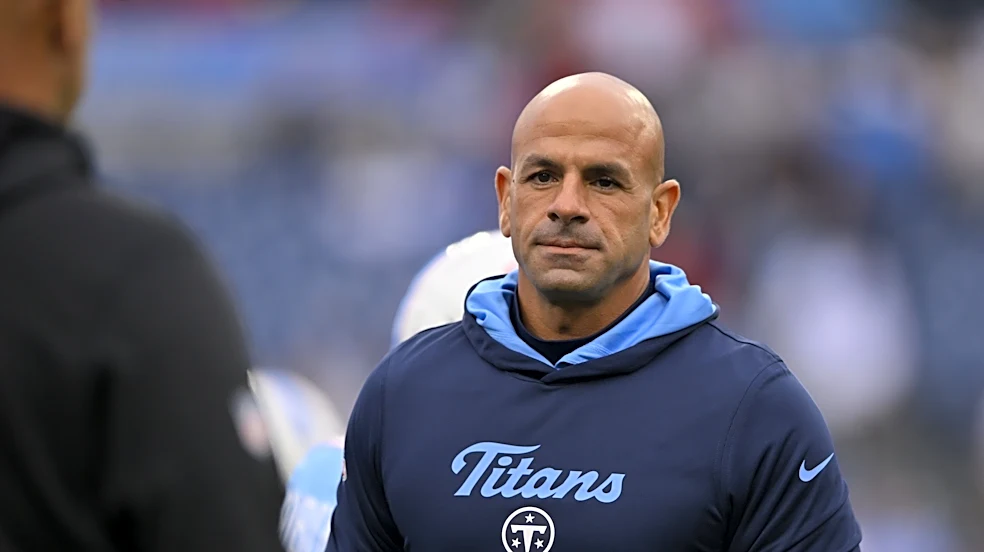
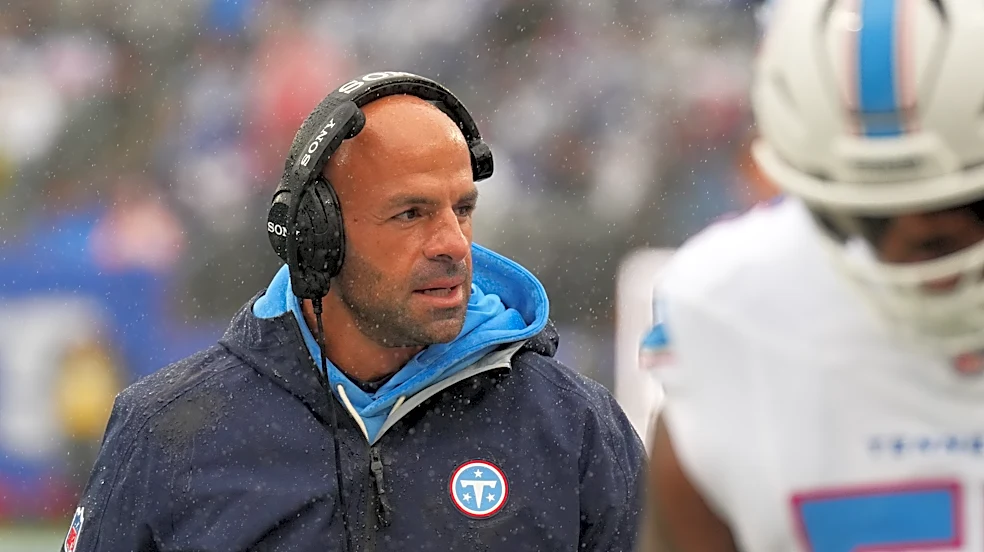
“Unfortunately, rules are rules with regards to guns on property,” said Titans
coach Robert Saleh. That was right after Saleh insisted that he’d “stand on the table for Jordan’s character” and just before the coach made an impassioned case to other NFL teams to consider adding a player his Titans had just cut for troubling reasons.
“He's a good man,” said Saleh, who previously coached Elliott in San Francisco. “Had a terrible lapse in judgment that I recognize as a call for help more than a criminal act.”
Saleh, to me, has never been better as the Titans’ coach than he was in this difficult moment,delving into an alarming incident that he’d probably rather not discuss and surely would rather hadn't happened. That surprised me. The Titans, as a team, surprised me this time. I showed up expecting this franchise’s standard defensive stance of secrecy and silence on a sensitive topic.
Instead, I found empathy and openness about a sad and bizarre situation. I found unflinching support for Elliott as a person, player and father.
I found nuance.
Because the question we aren't asking enough – and Saleh noted this – is why?
“Why did he go off the rails and grab a gun?” said the coach. “To me, those are small signs of a cry of help. Obviously, there's something greater happening.”
Multiple Titans teammates echoed how Elliott (to use Solomon Thomas’ words) “was going through something.” Saleh went so far as to reference the recent suicides of NFL players Marshawn Kneeland and Rondale Moore in their 20s, tragedies that seemingly touched all corners of pro football’s tight community.
Titans receiver Wan’Dale Robinson switched his jersey to No. 4 this season to honor Moore, his friend from back home in Kentucky. Next to Robinson in the locker room is Thomas, who has since become one of the NFL’s more outspoken advocates for players’ mental health.
Prior to this season, Thomas contributed a touching column to The Tennessean about mental health and grief. He wrote about his older sister Ella, who took her own life at 24.
“Even with the recent outcry of mental health the last four or five years,” Thomas told me in the wake of Elliott's release, “I'm not sure players feel the permission to even acknowledge their feelings. We're still in a performance business where the only thing that matters to the people upstairs sometimes is how you are playing. Players get lost in that, and we don't feel human sometimes, because we're not viewed as human. We’re viewed as gladiators who just need to go perform and be entertainers for the fans on Sunday.

“But the reality is we are human beings. We go through things. … I know from the outside it looks beautiful. We have money. You have fame, notoriety, all those things. But the reality is we go through some stress that some normal people who aren't in this life don't ever have to deal with. It's a hard lifestyle, and it's important for players to understand that their mental health is important.”
I appreciate Thomas and what he is doing. He’s keeping important conversations going, and that’s not easy in the NFL. We get reminded often about the mental and physical hazards of playing pro football, but we don’t talk enough about the reluctance of NFL players to seek help in the face of institutional pressure.
What do I mean?
Outside of the superstars, there’s only a miniscule talent difference among most NFL players. Perception matters. Any misconstrued notions of a player being defective, no matter the reason or the truth, could cause teams to steer clear. That, understandably, could prevent players from being willing to pursue treatment for mental-health concerns.
"I wish there was a system where teams were intertwined with treatment facilities for professional athletes for situations like this," Thomas said. "But the reality is in the NFL and in society, we are behind on all that."
I can’t say for sure what happened in Elliott's mind. But people around the Titans are pointing toward mental health as a cause of this avoidable and sad circumstance.
We should listen.
Reach Tennessean sports columnist Gentry Estes at gestes@tennessean.com and hang out with him on Bluesky @gentryestes.bsky.social
This article originally appeared on Nashville Tennessean: Be concerned about Jordan Elliott in this sad situation, not the Tennessee Titans | Estes