





If you are ever traveling along Interstate 75 between Knoxville and Chattanooga, you will pass by the East Tennessee town of Athens, the seat of McMinn County. Unfortunately, most motorists who make this journey do so with little knowledge of the town’s past struggle for democratic accountability, or how this history impacts our politics today.
Back in 1946, the United States was still adjusting to life after World War II, with millions of GIs settling into their new lives in the peacetime workforce. Poor, agricultural McMinn County, where one-tenth of the population had served in the war, was slowly being bled dry by the corrupt sheriff Paul Cantrell and his cronies.
Since his first of many fraudulent elections in 1936, Cantrell had performed
his job in a manner more akin to a mafia boss than a legitimate law enforcement official.
Instead of protecting Athens and the surrounding communities, Cantrell and his cronies had spent the previous decade enriching themselves with lucrative bootlegging, gambling and prostitution rackets all while shaking down the hardworking people of McMinn County with bogus “public intoxication” fees.
By 1946, as democracy in the county proved little more than a mirage, the local community finally decided that enough was enough. Local war veterans were horrified to discover that while they could defeat fascism overseas, they were still ruled by a mafia state at home. The solution: a ticket of nonpartisan anti-corruption veteran candidates who would defeat the Cantrell machine once and for all.

When Athens voters fought back
Both in the runup to the Aug. 1 election and on Election Day itself, Cantrell’s deputies attempted various sabotage and intimidation tactics, including threatening veteran candidates and brutally beating and arresting poll watchers – all to no avail. The veterans, having formed a militia called the Fighting Bunch, prepared for battle to ensure the votes would be fairly counted.
Athens was now a tinderbox about to erupt into violence.
As Cantrell and the deputies locked themselves in the downtown jailhouse to stitch up another sham election, the Fighting Bunch demanded access to the ballot boxes and an all-out firefight began. Cantrell, realizing his days were numbered, sneaked out the back door as his deputies fought a doomed six-hour battle against the Fighting Bunch.
When the dust settled, no one was killed (though many were wounded) and the World War II veterans successfully retrieved the ballot boxes and discovered that, despite the brazen voter intimidation, the nonpartisan ticket had secured landslide victories in every single election.
Cantrell was never heard from again in Athens.
The debate over election security continues
Eighty years later, tensions regarding the accuracy and security of elections nationwide continue to rear their ugly heads again – and both sides are pointing fingers. In early October, Attorney General Todd Blanchedefended a plan to deploy National Guard agents across the country to ensure the integrity of the voting process. Democrats have cried foul, fueling anxieties of localized violence at polling stations.
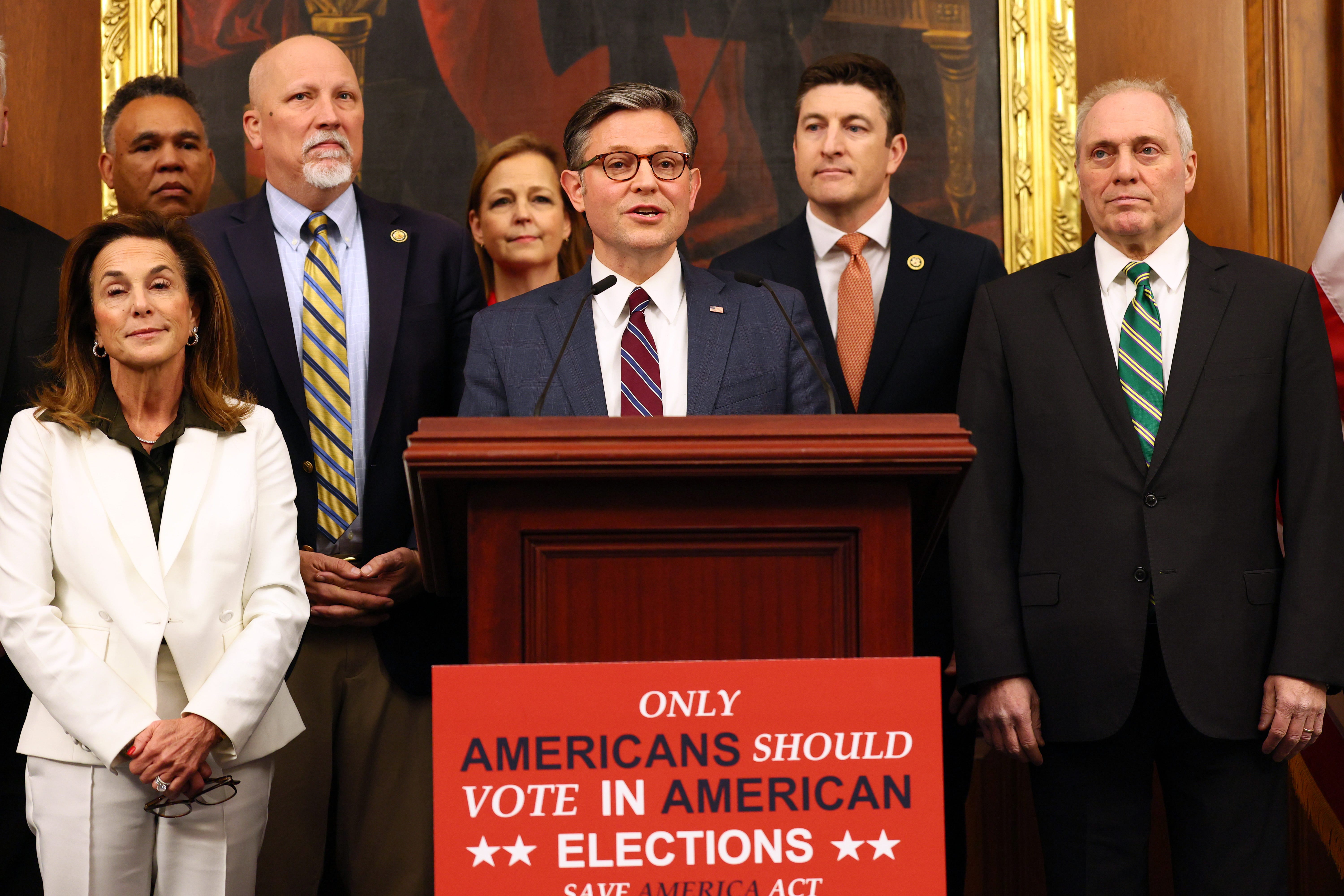
Meanwhile, Republicans have also pushed the SAVE America Act, which would require all individuals voting in elections to present proof of identification and U.S. citizenship as a safeguard against the sort of electoral manipulation that the Cantrell machine tried and failed to commit in 1946. Mystifyingly, Democrats have also opposed this policy, pushing the federal government to consider more drastic measures.
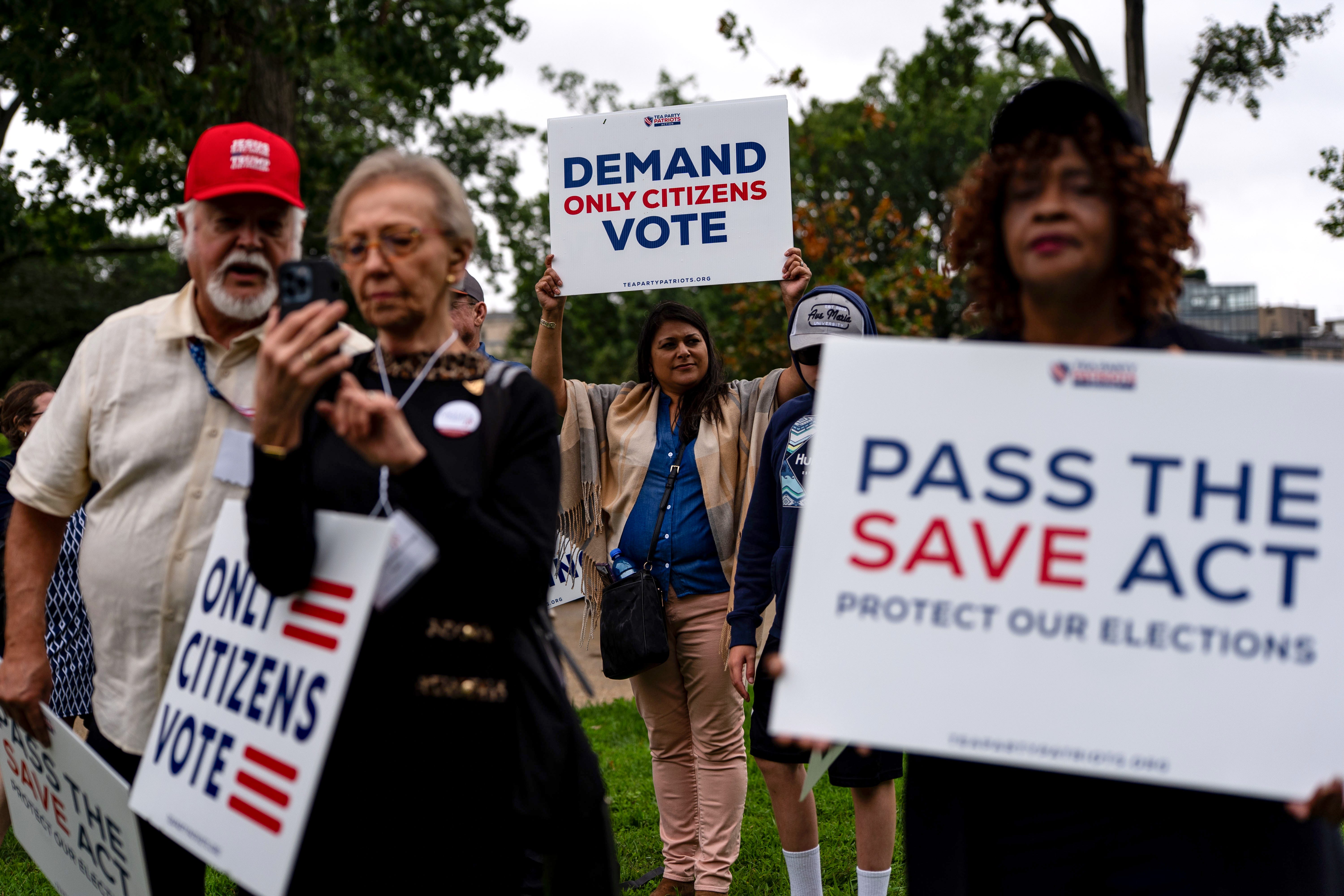
To me, the matter is one of common sense: if you need identification to catch a flight or drink a Budweiser in the name of public safety, shouldn’t we also fight to uphold the fair application of our constitutional democracy?
It sure seems easier to ask for a simple identification than to militarize the voting booth.
Despite all the political jockeying elsewhere, Tennessee remains a bright spot.
While we may read of the occasional political scandal, our state has enough robust legal mechanisms to halt even a whiff of a plot to steal an election. Withperfect or nearly perfect scores in the metrics of voter identification, accuracy of voter rolls and absentee ballot management, our state occupies the very top of the Heritage Foundation’s state ranking for election security.
On this account, we should all be proud.
In turn, the passionate debate over the fairness of the electoral process reassures us that Americans of all stripes still exhibit a robust civic consciousness – just like the veterans of Athens who took their town back 80 years ago.
When it comes to protecting the fundamental machinery of our republic, we are willing to fight. Just this time, without rifles, please.

Samuel Waitt is a Nashville-area writer and podcaster who specializes in history, world events, and contemporary political discussion. He holds a master's in international affairs from Middle Tennessee State University.
This article originally appeared on Nashville Tennessean: What the Battle of Athens teaches us about election security | Opinion