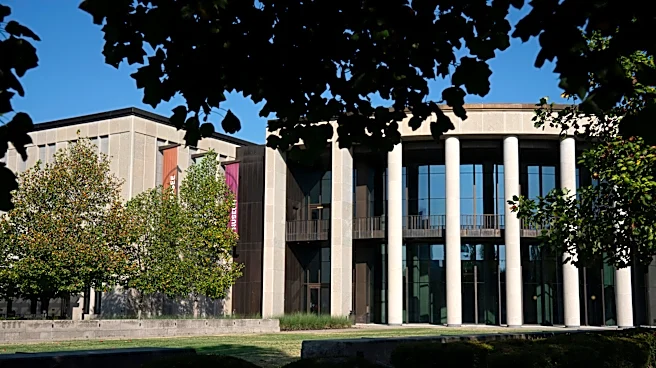

Reporting for my story about how Tennessee is poised to elect a woman as governor for the first time took me to one of my favorite places in Nashville: the Tennessee State Museum. If you’ve never been,
you should go.
I was there to talk with museum director Ashley Howell and glean her insight on the role women have played in Tennessee’s political history. She shared with me stories of the grit and ingenuity of Tennessee women who made our state what it is today.
Studying the past helps make sense of the present, and guides us into the future.
Actually, it was a history research project that brought me to the Tennessee Capitol complex for the first time.
Growing up in Chattanooga, my sister and I loved participating each year in Tennessee History Day, a statewide program organized by the Tennessee Historical Society (students, check it out!). Through this, I learned valuable research skills, how to plan and execute a large-scale project, some (now very outdated) video editing, and perhaps most nerdy: how to use a microfilm reader.
The first stories I ever read from The Tennessean were from 1940s editions, on microfilm at the Chattanooga library. I can still conjure the smell of those massive old archive indexes.
One year, I researched the 1946 “Battle of Athens,” an armed conflict over election irregularities in McMinn County. Soldiers returned from fighting in Europe to find the local officials in Athens, Tennessee, under the control of Shelby County political boss Ed Crump, who at the time ran an essentially statewide political machine. Not about to settle for corruption after having "won a war for good government,” the GIs put up their own slate of candidates in the next election. On Election Day, corrupt local officials sent armed guards to each polling place and later locked themselves in the county jail with ballot boxes. So the GIs got guns from the National Guard armory and laid siege to the jail until officials agreed to an observed ballot count. The GI candidates won.
The year I presented that project, the state History Day event was in Nashville, more precisely, in the old carpeted committee rooms in Legislative Plaza. I never imagined then how many hours I’d spend in committee rooms years later.
Early next year, the new State Capitol Visitor Center will open on War Memorial Plaza. Howell told me it will feature hundreds of artifacts from the State Museum’s collection to give visitors a taste of our state’s history.
I'll see you there.
This article originally appeared on Nashville Tennessean: How studying Tennessee's past can inform our future