
Asfall approaches in Tennessee, Asian lady beetles will begin moving indoors in search of warmth, often taking homeowners by surprise.
Although ladybugs often receive the blame for winter invasions, it's
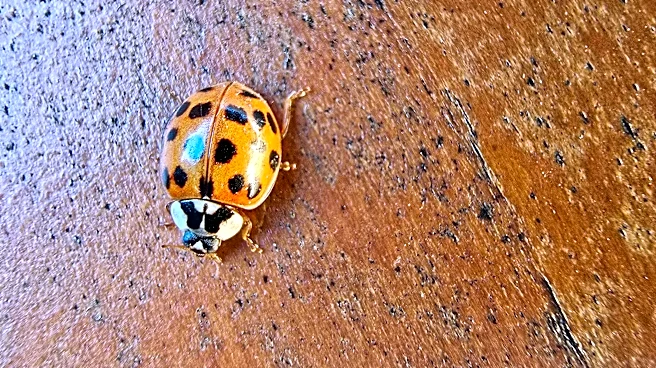
actually their closely related counterpart that is responsible. The Asian lady beetle , which resembles ladybugs, tends to seek warmth indoors during the winter, causing numerous issues when it does.
During the colder winter months, these pests can often invade homes, but getting rid of them can be simple. Preparing your home plays a crucial role in preventing an infestation, but you can also eliminate the insects once they enter your space.
These insects often accumulate on warm surfaces that face the sun, such as south-facing walls and windows.
What are Asian lady beetles?
Harmonia axyridis, also known as the Asian lady beetle, is a relatively new arrival in the U.S. It's native to Asia, where it lives in trees and fields and feeds on aphids and scale insects. Scientists first discovered U.S. field populations in Louisiana in 1988. Since then, the beetle has spread to most of the U.S. and parts of Canada.
From the 1960s to the 1990s, the U.S. Department of Agriculture introduced the Asian lady beetle as a natural pest-control method for pecan and apple pests, releasing it in states including Georgia, South Carolina, Louisiana, Mississippi, California, Washington, Pennsylvania, Connecticut and Maryland.
Bugs? Find solutions at Lowe's
How to tell the difference between ladybugs and Asian lady beetles?
While the two insects look similar, a few key differences help distinguish them. Asian lady beetles are more brown or orange than the vibrant red of ladybugs.
Asian lady beetles have a white M or W on their heads, depending on how you view them. Ladybugs do not have this marking. A ladybug's head will only have two white dots around its eyes.

Another way to distinguish the two insects is by how many you see in your home. If you see many together, they are likely Asian lady beetles, since ladybugs tend to stay outside and travel alone.
How can you prevent Asian lady beetles?
According to the University of Illinois, an ounce of prevention is worth a pound of cure. The best management strategy is to keep them out of your home in the first place.
- Make sure windows and doors fit tightly.
- Make sure window screens have no holes.
- Seal any openings, cracks, and crevices around the foundation, pipes, wires, and chimney.
- Make sure siding, eaves, and soffits are in good condition.
How can you get rid of Asian lady beetles?
Once the beetles are in your home, take a few careful steps to eliminate them. The easiest thing to do is vacuum up the bugs and dispose of them in a trash bag, then take the bag outside immediately. Avoid squishing the bugs, as they release a nasty smell that can attract more.
Outside your home, use repellents such as citronella, bay leaves and peppermint oil around entrances, since insects dislike these scents. Outdoor light traps also work well for eliminating bugs before they enter your home.
When do Asian lady beetles come out?
The beetle starts to emerge from hiding in the fall and is likely to find its way into homes and buildings during the winter.
Buildings with strong contrasts between dark and light areas are more appealing to Asian lady beetles. Those located near wooded areas are also more likely to attract Asian lady beetles than buildings in more open spaces.
Warm, sunny winter days can revive dormant insects. Since lady beetles wake up at different times depending on the warmth around them, they often migrate to sunny spots, such as windows and other areas that receive plenty of light.
When does it usually cool off in Tennessee?
Tennessee experiences a wide range of temperature changes during fall and winter. Generally, the weather begins to cool in late September and early October as temperatures drop below 70 degrees.
- Knoxville averages 46.4 degrees in November.
- Memphis averages 52.7 degrees in November.
- Nashville averages 50.3 degrees in November.
Jordan Green covers trending news for The Commercial Appeal. She can be reached at jordan.green@commercialappeal.com.
This article originally appeared on Nashville Tennessean: These ladybug look-alikes will soon swarm Tennessee homes
Our editors independently choose our recommendations. Some content is produced with paid support from a third party, however our editorial decisions remain independent. If you buy through our links, the USA TODAY Network may earn a commission. Prices and availability may change.