



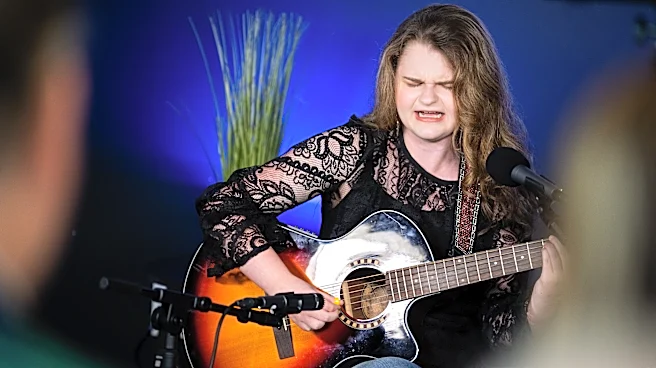
With new technology to harness and a creative mindset at its core, Nashville’s music industry has seen innovative companies step up and make their mark.
The music industry's economic impact has ballooned over the past decade, with the Recording Industry Association of America estimating in 2025 that the vinyl boom generated$1 billion in U.S. revenue and an additional $6.4 billion from paid subscriptions, including streaming platforms. For artists, many are earning the most from live events, merch and product sales, including vinyl, in addition to more sophisticated ways of collecting royalties across platforms. Nashville, the heart of the nation's increasingly tech-savvy music industry, is also ripe for disruption.
Here are five of the most innovative
music companies in Nashville, plus how they are changing the industry paradigm.
Tiny Vinyl : Music City's response to increasing demand for vinyl
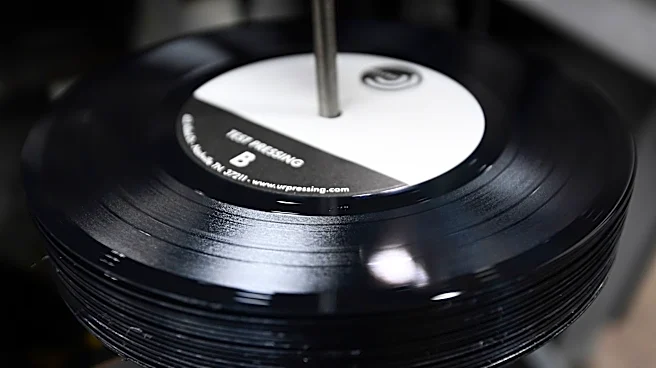
You might not think of the merch table as a hot spot of music-industry innovation, but that’s where artists make a sizable portion of their income. As such, Tiny Vinyl created a type of collectible for artists to sell: The 4-inch playable vinyl record. This capitalizes on the growing demand for physical media while offering an option that is more affordable and portable than traditional vinyl.
Founded in Nashville in 2023, Tiny Vinyl began when concert promoter Jesse Mann and toy-business veteran Neil Kohler noticed the rising popularity of miniature collectibles. The company creates mini-vinyl records with one song on each side. Each one is numbered and compatible with most record players. According to Mann, they’re “intended to be adorable, collectible, fun and playable in that order.”
Tiny Vinyl now has deals with major labels to sell mini versions of iconic albums in Target. But any artist can commission one of their own. Mann said having a pocket-sized product at the merch table boosts sales, which is especially important for emerging artists.
“Artists can use it for whatever type of canvas they want,” he said. “A demo that didn’t make the album, an outtake. We’ve actually had a couple of artists record voice notes as Easter eggs for their fans on the B side.”
Tiny Vinyl products even count toward an artist’s Luminate and Billboard chart stats. The company pressed their one millionth Tiny Vinyl earlier this summer, then launched the Tiny Vinyl Player.
“If Tiny Vinyl can be a piece of that strategy to help [artists] monetize and help them with their success, we’ll feel like we’ve succeeded,” Mann said.
Muserk : Ethical AI tools
As a tech-driven music company with over 25 million copyrights under management, Muserk offers songwriters, publishers and estate managers the ability to collect royalties with automated technology.
Founder Paul Goldman called uncollected royalty fees “black box money” in an interview with The Tennessean, adding that getting rightsholders paid was previously such a time-intensive, manual task that a large percentage of royalties never made it to the creatives behind the music.
"The farther you get down the ladder from the highest level, from the best songwriters to indies, they just become less and less served," he said.
That's why Muserk uses patented AI technology to comb through global platforms and databases to find every last usage of the copyrights the startup manages, automatically triggering a royalties collection. It has led some clients to see a 400% increase in royalty collections, Goldman said.
Poised for more growth, the company recently rolled out a new subscription-based “dashboard,” which allows users large and small to access its tech on a use-what-you-need model. This is perfect for serving both emerging artists and established labels.
“We've been using it for 10 years on the most difficult repertoires in the world, so the stuff works,” Goldman said. “You can have access to this."
Primary Wave: Innovative publishing
Primary Wave was founded as a publishing house in 2006, but it has now grown into one of the largest independent music companies in the world. Its Nashville operations are focused in Brentwood, just outside of the traditional home base for a Music City music business, and in some ways that speaks to the company's philosophy.
According to Chief Marketing Officer Adam Lowenberg, Primary Wave’s focus is on “artist re-development instead of artist development,” prioritizing historic music and veteran artists seeking fresh audiences rather than emerging talent.
The company specializes in acquiring, managing and marketing iconic music catalogs from legacy artists such as Stevie Nicks and Bob Marley. Many of those artists had been “relegated to the catalog divisions of their labels.” But the leadership at Primary Wave saw potential.
The company now manages the rights to more than 1,500 top singles, including famous hits by Prince, Whitney Houston, Nirvana and more. They’ve worked to relaunch those hits through lucrative branding and licensing deals, using social media campaigns to help bring classic tunes to new audiences, such as a viral TikTok campaign focused on the music of Canadian singer Paul Anka, who was a household name in the 1950s.
The company is now a global powerhouse, yet still retains strong ties to Nashville through involvement in local events and a focus on Sun Records since 2021, revitalizing one of the most iconic music labels in Tennessee history.
“Whether it’s TikTok today or whatever’s going to come along the line in the next few years, there are always going to be avenues for rediscovery," Lowenberg said.
Book With Eva : Live events earning artists reliable money
Founded by Belmont graduates Shannon Moreland and McKenzie Stogl in 2015, Book With Eva was created to overcome the gate-keeping and reliability problems involved with booking smaller live events. This dual-sided marketplace for both performers and event planners has resulted in $10 million paid to talent for performances.
“There was an issue with the events industry of access to vetted and high quality, high-caliber entertainment,” said Kenley Nelson, the startup's head of marketing. “On the talent side, there was an issue of reliability and higher-paying gigs. And so that is what we have built.”
Many local musicians didn’t know there was a whole world of fast, nearby gigs that pay an average of “$6,500,” Nelson said. These opportunities are often corporate events that require very little travel or overhead from the performer.
Now a nationwide service, Book With Eva serves more than 3,000 performers booking events in over 45 cities. Musicians, singers, bands or even public speakers or comedians can create a profile then select the types of events they would like to book. Meanwhile, event planners search for what they need. The platform's AI-enabled tech matches both sides up.
“We are thinking very large scale and full-steam ahead, because we’ve been really passionate about the fact that [booking] should not be this difficult,” Nelson said.
Something Good : Artist-centric merch and concert strategies
Today’s concert tours and festivals are an immersive experience, defined by theatric lights and integrated video productions, plus unique merch and collectibles. These shows take small armies of professionals with specialty skills to pull it all off, and Something Good is changing the way those armies work and get paid.
Co-founders Jack Sabbath and Jeremy French set out to create a concierge creative agency two years ago, bringing everything needed to run a top-shelf concert or album-launch campaign under one roof. According to Sabbath, the company can do everything from stage design and gear procurement to multi-cam video and merch collections. They’ve helped bring EDM festivals like Hidden City and High Tide to life, worked with the rapper A$AP Rocky, and recently sent a team on tour with metal band Motionless in White.
But the real innovation this Music City startup offers is their profit-sharing philosophy, which transforms the relentless grind of gig work into reliable income. Day rates are promptly paid rather than negotiated and, wherever possible, creatives earn a percentage of the profit their work generates. For example, this means a merch designer might earn a percentage of every concert shirt sold rather than a flat rate.
“We’re turning three-digit commissions into five-digit commissions,” Sabbath explained. “We’ve got a lot of people that speak lighting design fluently and speak animation fluently. They speak merchandise fluently. This artist is fluent in one language, their art. So how do we get their music translated into these different mediums?”
With a growing roster of creative talent and expanding opportunities, especially in an era of shrinking commissions and perennial layoffs at traditional entertainment companies, Something Good aims to change the way that creatives behind the scenes grow their careers in the music industry.
“The point of this company is to pour gasoline on other people's fires,” Sabbath said. “We can't start it for you, but I can send 30 people in the woods to cut down lumber.”
All things considered, Music City is full of companies that are changing the ways both artists and fans engage with the entertainment industry. There's no better place for startups to grow and have a widespread impact as the business of music evolves.
This article originally appeared on Nashville Tennessean: Get to know the 5 most innovative music companies in Nashville