




Four days before she died, Dolly Parton gaveher last interview.
Asked about her health, she uncharacteristically skipped the joke. She told the truth instead.
“I am dealing with some health issues that I just didn’t pay attention to when I was watching over Carl.”
Her husband of almost 60 years, Carl Dean, had been sick for a long time before he died last year, and somewhere in the middle of loving him through it, Dolly Parton quietly stopped taking care of herself.
For almost a year, she’d been saying some version of that,in interviews andvideo messages to fans who worried about her. But it took her death for the rest of the world to catch up.
We don’t know if catching it sooner would
have changed anything for Dolly Parton. But her story isn’t rare. It's a story nearly half of Americans have lived, too.

Millions of Americans are caregivers, whether they know it or not
One of us, Alex, has spent the last decade proving thatover 40% of American adults are unpaid caregivers right now: tending to a spouse, a parent, a child, a friend, with usually no acknowledgment the job even exists. About half of us don’t call it caregiving. We just call it Tuesday. And 40% of caregivers are doing the work daily with no pay, no benefits, no title, no human resources department to call.
The other one of us, Sheri, first was a caregiver for two dear friends both facing cancer before the word “caregiver” was even in our lexicon – and then spent years advocating for better care for people with cancer and their caregivers. That includes working to expand access to a model called Supportive Cancer Care, which provides patients and their caregivers with physical, emotional and logistical support.
So we know all too well how caregivers absorb the physical, financial and emotional toll of a loved one’s illness largely alone. We ask the patient 40 questions about their meds and never once ask the person holding their hand how they’re doing.
The data reveals a growing caregiver crisis
We didn’t need a study to know caregiving is intense. We needed one that everyone else would believe. Here’s what our own data shows:
Through ARCHANGELS’Caregiver Intensity Index,nearly a third of us land in what we call “the red,” the highest-intensity tier, where the demands of caregiving stack up until something gives.
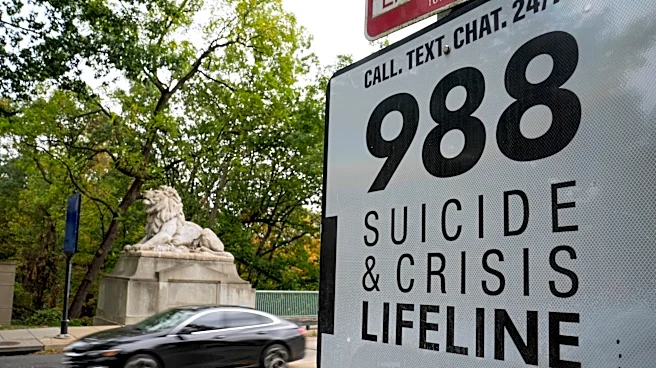
In the red, nine in 10 of us report real damage to our mental health. Caregivers sandwiched between caring for kids and adults at the same time feel it the hardest, with52% experiencing active suicidal ideation in the past 30 days. Yes, 52%.
Across the board, we’re increasing our drinking and drug use atfive times the rate of everyone else, just to cope. And that’s before you factor in that 40% of caregivers are cutting their own expenses to pay for the cost of caregiving or before you count the trillion-plus dollars a year our unpaid labor is worth, according to AARP – free, invisible and holding the whole system up.
Parton had access to a private plane, a staff and endless resources. But a private plane won’t automatically fly you to your own doctor’s appointment if you’re unable to prioritize your own health. If Parton struggled to make it all work, how can the rest of us make it work?
Support for caregivers must become standard care
This is exactly why supportive care has to be at the center of how we care not just for those with serious conditions like cancer, heart disease and Alzheimer’s – but also for the loved ones caring for them. It treats the whole person, not just the disease. For caregivers, that can mean getting access to services like coordinated conversations with their loved one and their medical team about goals of care, access to counseling and help navigating the maze of insurance billing and getting to and from appointments.
Models like supportive cancer care have to become the standard of care at every health system for every condition we’re collectively caring for, in every ZIP code, so together we can get – and stay – out of the red. That means three things.
First, identify caregivers early, at the clinic, at work, in the community. Second, measure the intensity of what we’re actually carrying instead of guessing. A caregiver who looks fine and one who’s quietly drowning can be standing in the same room. Finally, connect us automatically to real help: therapy, respite care, financial counseling, a peer network, so nobody has to know the magic words to ask for it.
None of that happens overnight, though it doesn’t do a thing for the person reading this, exhausted and months behind on their own checkup.
A simple request for every caregiver
So here is what we’re asking of anyone who is on a caregiving journey, not of any health system or legislator.
Book the appointment with your doctor you’ve been dodging. Your body’s been on your to-do list since March. Move it up. Say yes the next time someone offers to sit with your mom so you can sleep. Tell one person the truth about how tired you actually are.
Real queens fix each other’s crowns. We just need to make sure they’re also fixing their own. Parton spent 60 years making sure everyone around her felt loved and looked after, right up to the very end. The truest tribute we can pay her is smaller than another spin of “Jolene” and harder. Take the five minutes for yourself that she perhaps struggled to find for herself. And if you don’t feel like you can do it for yourself, know that’s OK. Do it for Dolly.
Alexandra Drane is the co-founder and CEO of ARCHANGELS, which supports more than 40% of American adults who serve as unpaid caregivers. Sheri Biller is the former board chair of City of Hope and co-founder of The Sheri and Les Biller Family Foundation.
This article originally appeared on Nashville Tennessean: Dolly Parton's story shows why caregivers need support, too | Opinion