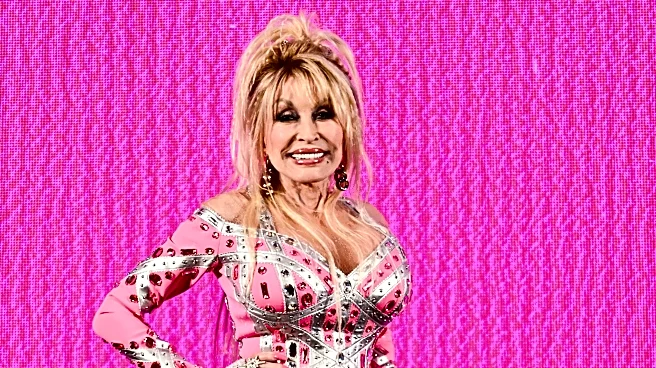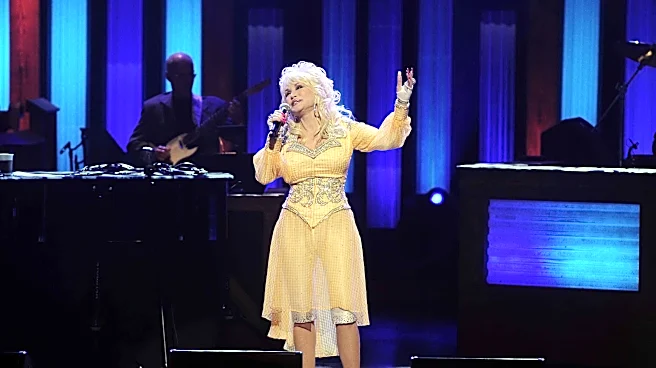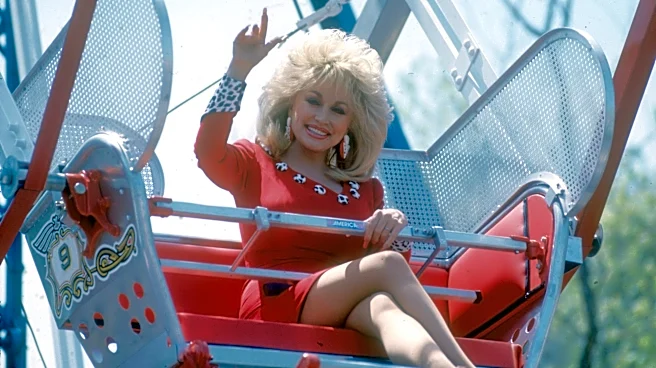




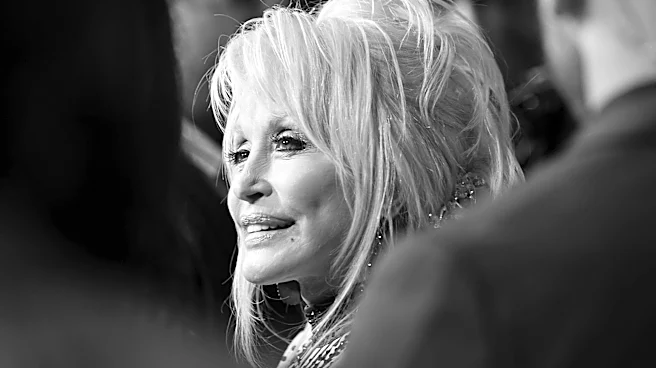
Dolly Parton died Aug. 25 at 80
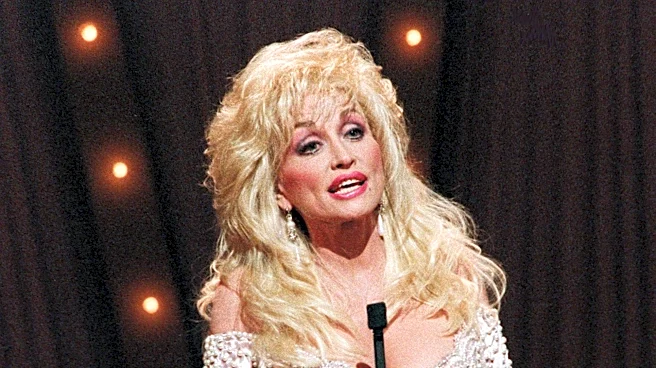
. I am 75. I never met her, and I did not grow up in Sevier County. I grew into adulthood as she grew into the country’s life – and into mine. That is not celebrity talk. It is the sound of AM radio in a car and a television that took a minute to warm up. First she was the young woman on Porter Wagoner’s show. Then she was the woman who walked away without turning against the people who had helped her get there.The country is full of farewellsthis week. Most are sincere. Some are syrup. The thing worth saying is simpler. Dolly made a public life from a private truth: You can come from almost nothing, dress it in sequins and still refuse to lie about the nothing.
She never asked us to choose between the rhinestones
and the rags. She wore both.

Where you come from doesn't determine your worth
Born in 1946, the fourth of 12 children, Dolly was raised in a small cabin in the Tennessee mountains. Her mother fashioned a coat from scraps and told her the story of Joseph while she sewed. Children at school laughed. Years later Dolly wrote their laughter into “Coat of Many Colors” – not as a grievance, but as a declaration that something made with love could be worth more than something bought with money.
I remember hearing that song on the AM radio in a car. It struck a chord because I knew the shame children attach to poverty. I grew up in the Florida panhandle with a strong Southern accent. When I moved to the city, other children mocked the accent and laughed because I wore the same clothes to school day after day. By the time Dolly’s music reached me, I was no longer that boy. But the child who had endured the laughter was still there.
Dolly did not pretend poverty was beautiful or painless. She did something better. She showed that where you came from did not determine what you were worth. Her songs made me feel less ashamed of the poor Southern child I had been. There was a Dollyism for that: “If you want the rainbow, you gotta put up with the rain.”
Her life became a succession of departures that never sounded like betrayals. She left the mountains for Nashville. She left Porter Wagoner and wrote “I Will Always Love You” as her farewell. She crossed from country into pop and movies without disowning the people who first claimed her. She built Dollywood back home and created jobs for the community that raised her.
Dolly's most enduring legacy
Dolly's greatest legacy may be the Imagination Library, started in 1995 because her father could not read. It has since placed more than 330 million books in the hands of children from birth to age 5. The girl raised in a cabin became known to them as “The Book Lady.”
She refused to become ashamed of her accent, her hair or the jokes she told on herself. She made a fortuneand spent a conspicuous part of it helping other people’s children learn to read. That was not simply kindness. It was a decision, repeated year after year.
The temptation this week is to polish her into a saint or reduce her to a costume. Both miss the point. The rhinestones were real. So was the coat. What I remember most is how a poor Southern girl sang to a young Southern man and helped him make peace with the poor child he had been.
Dolly Parton wore both – and taught the rest of us that we could too.
Ray Watford is a retired newspaper production director.
This article originally appeared on Nashville Tennessean: Dolly Parton's pride in humble roots helped me accept mine | Opinion