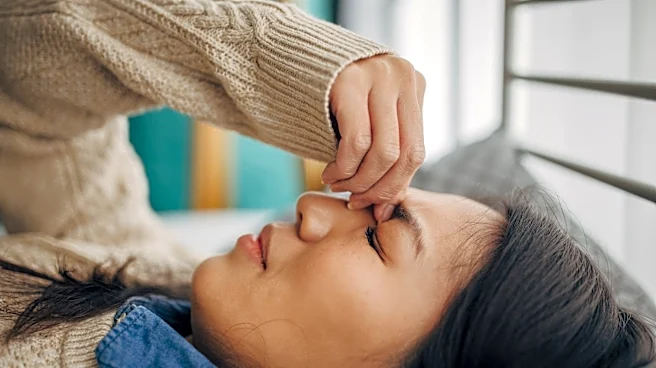







I have lived with migraines for the past 17 years, getting as many as 24 attacks a month. The pain is among the worst I have ever experienced, second only to gallbladder surgery. Each attack can be debilitating, disrupting my ability to work and engage in daily life. Unfortunately, my experience is far from unique.
More than 40 million Americans live with headaches and migraines, including more than 1 million Tennesseans. Our state has even earned a reputation as the nation's "migraine capital," with several of its largest cities ranking among the top migraine hotspots in the country.
The emotional and economic toll of migraines
Behind those numbers are people whose lives are disrupted every day by a condition that is often misunderstood. Migraines make it difficult for me to drive, grocery
shop, exercise and sit down for a meal. Even the light touch of my hair against my scalp can be painful. These symptoms are not merely an inconvenience. They can make ordinary tasks feel impossible.
Migraines also change lives in ways that are harder to see. I was forced to retire from my federal job at age 56 because of my condition. It was not a decision I wanted to make, but one many people with migraines eventually face. Women are especially affected. In fact, migraine is the leading cause of disability among women under 50 worldwide.
The impact extends beyond individual patients. Headache disorders cost the U.S. economy an estimated $78 billion each year in lost productivity and more than $100,000 in lost tax revenue to the federal government per person. Yet despite the enormous burden they place on families, employers and taxpayers, migraines receive only about 0.2% of the National Institutes of Health research budget.
That is why the HEADACHE Act matters. For people living with headache disorders, it represents a chance to finally receive the attention and support these conditions deserve.

How to HEADACHE Act can help migraine sufferers
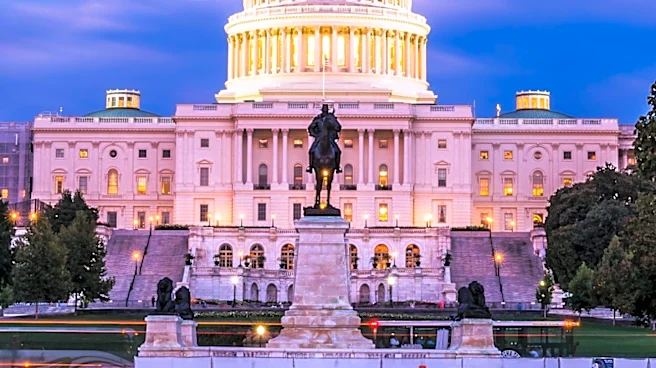
The legislation is a smart, targeted approach that would better coordinate research and care efforts, ensuring federal resources are used more efficiently and effectively. By bringing physicians, researchers and patient advocates together, the HEADACHE Act would help identify practical solutions for the millions of Americans with these disorders, while elevating public awareness.
It would also expand access to specialized care, one of the biggest challenges for patients like me. There are simply not enough headache specialists to meet the needs of the 1 million Tennesseans living with headache disorders. For those of us in rural communities, that shortage has real consequences. The nearest headache specialist is nearly 100 miles away from my home. When you are already living with chronic pain, traveling that far for care can be difficult and expensive.
This Pain Awareness Month, I urge Tennessee lawmakers to stand with the hundreds of thousands of Tennesseans living with headache disorders by cosponsoring the HEADACHE Act. My hope is that this legislation will shine a light on a disability that has remained in the shadows for far too long.
Most importantly, it can give patients something many of us desperately need: the reassurance that we are seen, believed and not facing this disease alone.
Lisa Nicholson retired as a Federal Project Director from the US Department of Energy after a 33-year career and now volunteers with the Alliance for Headache Disorders Advocacy. She lives in Celina, Tennessee, with her husband, Chuck, and their two rescue dogs.
This article originally appeared on Nashville Tennessean: The HEADACHE Act offers hope for millions in pain