


This story is an installment in The Tennessean's Q&A series On the Issues, where we asked the leading gubernatorial candidates to weigh in on some of the most pressing issues Tennessee’s next governor will face.
More than 71,000 Tennesseans lost marketplace health insurance because it became unaffordable when pandemic tax credits expired at the end of 2025. More than 9% of Tennesseans do not qualify for TennCare or cannot afford private insurance and are uninsured.
Tennessee has one of the highest rates of medical debt in the country. About 20% of residents have medical debt in collections or on their credit report.
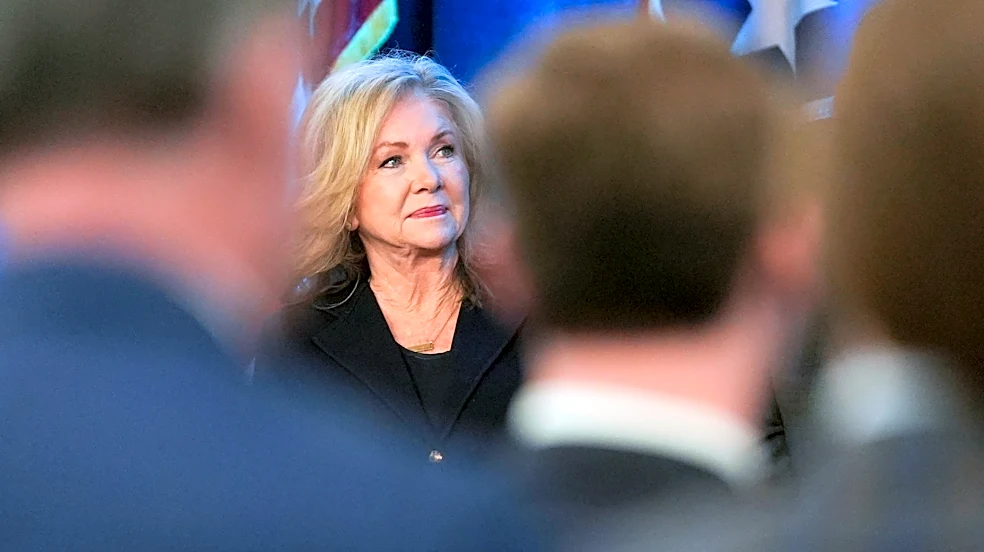
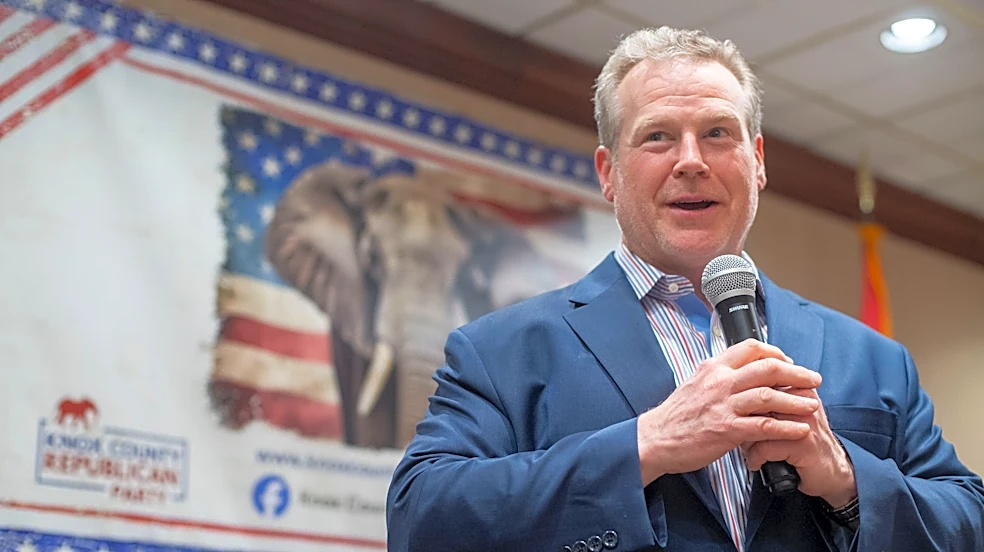
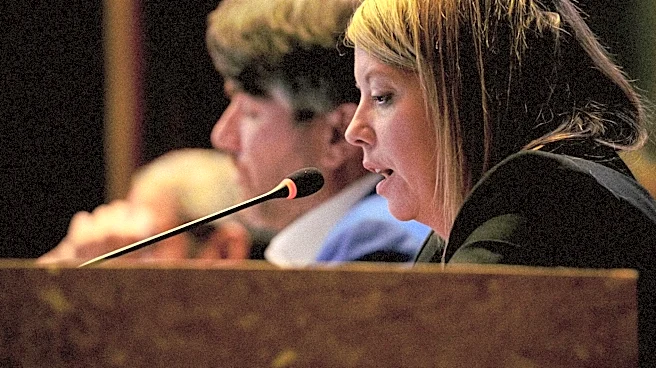
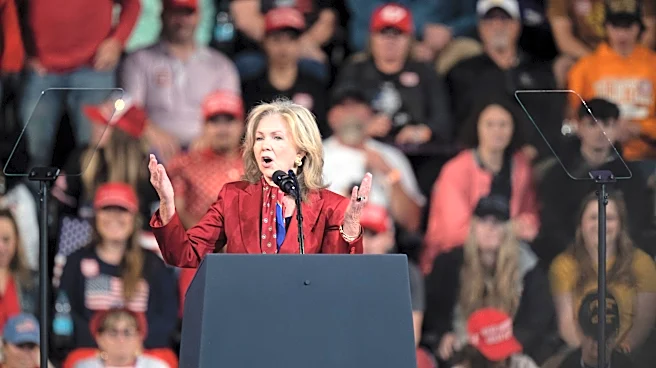
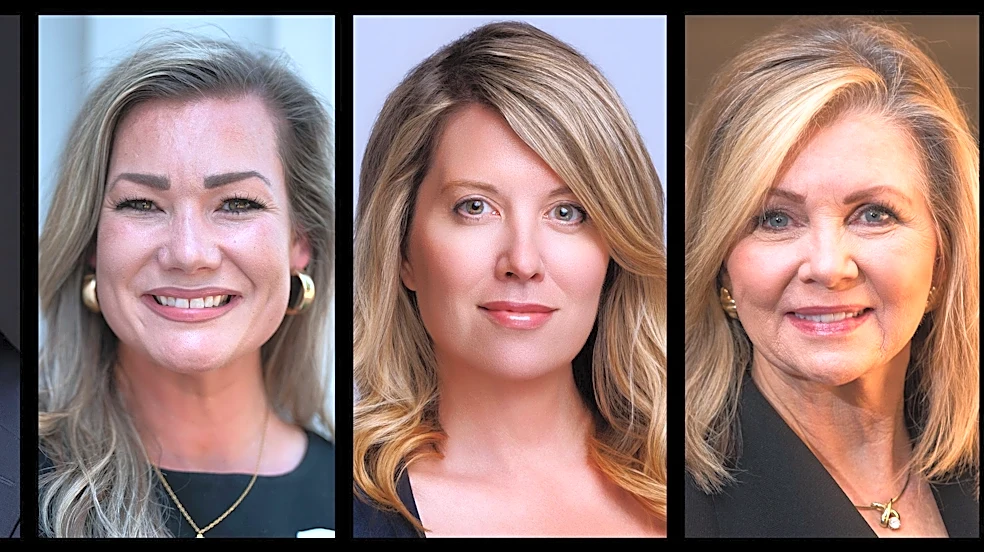
We got responses from all four candidates polling over 1%: Republican nominee U.S. Sen. Marsha Blackburn, Democratic nominee Jerri
Green, independent candidate David Hatley and independent candidate Lauren Pinkston.
Here’s how each candidate plans to address health care access.
As governor, would you work to expand Medicaid?
BLACKBURN: As governor, I will work to support and expand Tennessee’s health care innovation, and rural health care will be one of my top priorities. I will continue to fight to expand telehealth services, strengthen support for hospitals, provide coverage for those battling serious mental illness or substance abuse, and move toward increased flexibility in primary care models.
GREEN: Yes, because no Tennessean should be forced to choose between seeing a doctor and putting food on the table. By closing the coverage gap, we can increase access to health care for low-income residents and reopen our rural hospitals. Not only this, we can lower the costs by accepting Medicaid dollars and ensure no maternity wards are closed, either. I am committed to investing in our communities by expanding health care access to ensure every resident has the opportunity to lead a healthy life.
HATLEY: Not until we can find the money to consider that. I’m focused on fixing the program we have, not expanding it. That starts with cracking down on the fraud that siphons money away from Tennesseans who truly need help.
PINKSTON: Federal reimbursements for Medicaid programs are too low to fund rural health care in Tennessee. I don't support expanding Medicaid as it's designed today, because it doesn't fix the real problem. Government programs pay hospitals less than it costs to provide care. Medicare pays about 83 cents on the dollar, and Medicaid typically pays less. Our rural hospitals depend heavily on those programs, and they're losing money. Eighteen rural hospitals in Tennessee have closed or stopped inpatient care since 2010, and 61% of the rest are at risk of closing, the highest share in the country. Adding more patients to a system that underpays doesn't make that system sustainable.
If not, what policies would you propose to ensure mid-income Tennesseans who do not qualify for TennCare can afford medical care they need, and hospitals can remain solvent?
BLACKBURN: We also must look for ways to open up the insurance marketplace, encouraging competition to drive down the cost of coverage so that Tennessee families are empowered and able to choose the health care plans that are right for them. And I will ensure that the people who need these services have access to them and keep illegal immigrants and fraudsters from ripping off taxpayers.
GREEN: No, I will not leave federal dollars on the table that taxpayers put in every year just to avoid expanding Medicaid. We will additionally seek on day 1 to eliminate medical debt for 100,000 Tennesseans to ensure they don't avoid doctor visits.
HATLEY: For a lot of these families, this is a jobs problem as much as a health care problem. The answer is helping them earn more, by bringing better jobs to Tennessee and investing in our TCATs, and ending the wait lists in programs like practical nursing. Health care will be short 15,000 workers by the mid-2030s. Training more of them brings costs down and puts more providers where people live. I’d also let experienced nurse practitioners practice independently within their certified scope after a defined transition period, instead of requiring them to keep a supervising physician forever. That means more access and lower costs, especially in rural counties. And I’d bring emergency care closer to every Tennessean and stop the closing of our rural hospitals, because every extra minute of driving can mean a life lost.
PINKSTON: I would direct Attorney General Jonathan Skrmetti to prosecute bad actors on the Medicaid marketplace who are profiting off of selling private citizens’ health data. The payouts from those lawsuits would be used to eliminate medical debt. ... Tennessee needs a better health care model, and it should center patients and doctors rather than insurance companies. I would pursue a payment approach that uses federal rural health transformation dollars to keep emergency, maternity and primary care close to home. We need to open more affordable clinics with predictable costs for patients so that they can access preventable care rather than wait to be treated in ERs. Utilizing telehealth and physician extenders (NPs, PAs, MAs, EMTs) to reach more patients with maintenance health care is the way to make our communities more healthy overall. For hospitals, I'd move rural facilities toward stable, predictable funding. More than a third of our counties are maternity care deserts. That has to change. Good health care shouldn't depend on your ZIP code or whether you can afford to wait until it's an emergency.
This article originally appeared on Nashville Tennessean: On the issues: Governor candidates talk health care affordability