





I stepped in front of an audience seven years ago, preparing to read for the first time in public something I rarely discussed. Something deeply private. Something deeply painful.
I drew a deep breath. I told myself I could do this. I reminded myself that I had been through far worse. That my family had persevered through so much. That I had come a long way.
And then I began to read.
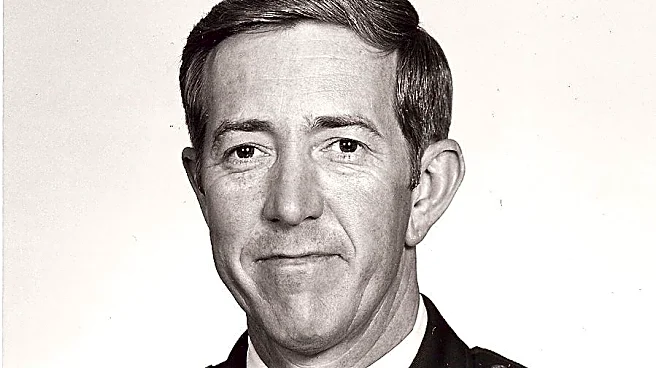
I read from an essay about my father, Lt. Col. Donald Redmon, who took his own life when I was 14. I read about how I obsessively collected everything I could about him afterward.
I collected my father’s birth certificate, elementary school report cards, U.S. Air Force records and résumé. I found his senior yearbook photo and saw myself in his long face and tentative
smile. I tracked down his gold University of Kentucky class ring, the one with the shiny blue gem. I heard his baby teeth rattling around inside a little white box my grandmother kept from a Burdines department store. Time had ground them down to ivory-colored pebbles. I discovered a tiny plastic brush my grandmother used to comb his hair. Its faded white bristles are as soft as kitten fur. I converted all our family movies from 8 mm film to videotapes. I searched for him in every frame so I could see him walk, talk, smile.
In gathering these things, I was subconsciously trying to reassemble him, to restore him, to somehow magically bring him back. In gathering what I could about him, I tried to get closer to him, to understand him, to understand myself.
After I finished reading my essay in that Athens, Georgia, coffee shop, I shakily stepped outside so I could be alone. Instantly, I felt unburdened, even lighter on my feet. It was as if I were levitating.
As a journalist, I was trained to shine a light on others. But as I read compelling memoirs during my time in the University of Georgia's Master of Fine Arts program in narrative nonfiction writing and as my mentors and classmates gently encouraged me, my writing steadily became more autobiographical.
My writing became my way of helping others who have lost loved ones to suicide understand they are not alone. It became my way of fighting the harmful stigma that prevents many people from discussing mental health. It became my way of honoring single parents, like my mom. And honoring U.S. military veterans, like my father.
September is Suicide Prevention Awareness Month. Tennessee has one of the highest suicide rates in the South at 16.4 deaths per 100,000 people, according to KFF, a nonprofit health policy organization. More than 1,200 people took their own lives in Tennessee in 2024, the most recent year for which data is available.
My father left a handwritten suicide note. Addressed to my mother, it ended with this: “Tell the kids I love them.”
My memoir, “Tell the Kids I Love Them,” is out this month. The same month my father took his own life. The timing makes sense to me.
I routinely visit the Volunteer State to referee college lacrosse games. I last visited in April, when I trained for my new editing job at USA TODAY at The Tennessean. The newsroom's walls are adorned with archive photos including ones of the legendary John Seigenthaler, the paper's longtime editor and publisher.
In 1954, when he was a reporter at The Tennessean, Seigenthaler prevented a suicidal man from jumping off a pedestrian bridge in Nashville. In 2014, that span was named for him.
I wish I had met Seigenthaler, who died in 2014. The next time I visit Nashville, I will step onto the span named after him, peer at the Cumberland River below and reflect on his courage.
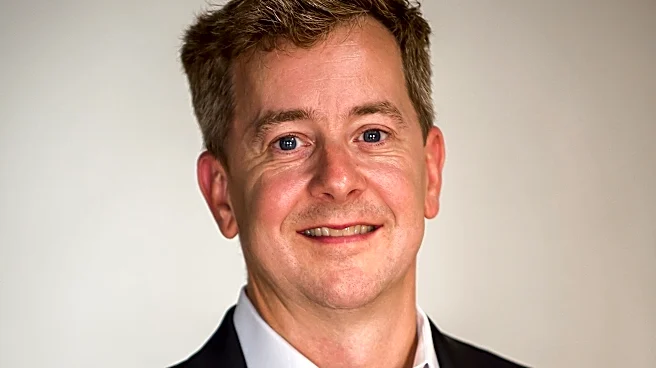
Jeremy Redmon is the nation enterprise editor for USA TODAY. He holds a Master of Fine Arts degree in narrative nonfiction writing from the University of Georgia and teaches for the University of Missouri School of Journalism.
This article originally appeared on Nashville Tennessean: My father's suicide shaped my life. Sharing his story helped me heal