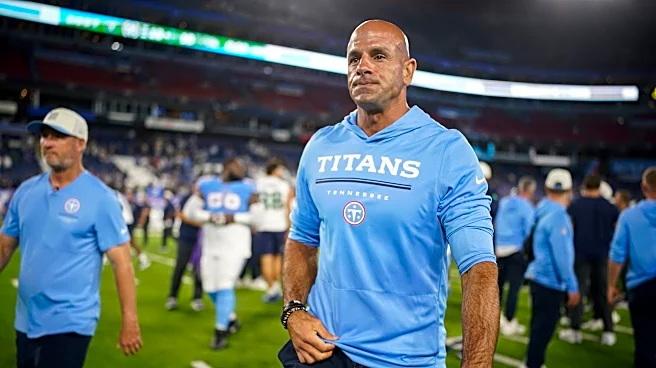



Close observers of Tennessee Titans training camp this summer have likely heard coach Robert Saleh talk about the schematic transition returning defenders are experiencing, adjusting from a match-focused coverage philosophy to a vision-focused coverage philosophy.
If all that sounds like jargon, let's take a Football 101 class and explain the simplicity behind what that actually means.
"Let’s call match more like man," Titans defensive coordinator Gus Bradley explained. "Your eyes are locked in. You’re playing a man. To where, vision, your vision now is on the quarterback... (The Titans) played all three last year, but they played a little bit more match coverage. We’re a little bit more vision on the quarterback at times. That’s the process.
When you’re on the quarterback, your plant and break has to be elite to get your tightness in coverage."
So that's our baseline. In the Saleh-Bradley scheme, there's more of an emphasis on zone concepts that keep DBs focused on the backfield rather than a single receiver.
Why? Safeties coach Marquand Manuel has this one covered.
"Ball is everything," Manuel told The Tennessean. "When you talk about it from that perspective and you live it on that level, ball is everything. Ball being everything, meaning that if I’m a curl-flat defender and I’m doing my job and I’ve got vision on the quarterback and the hook defender tipped the ball and I broke at the ball with the same effort that I did every play, ball is everything. The opportunistic opportunities that we get to get the ball back show up a lot more when we play with vision and break."
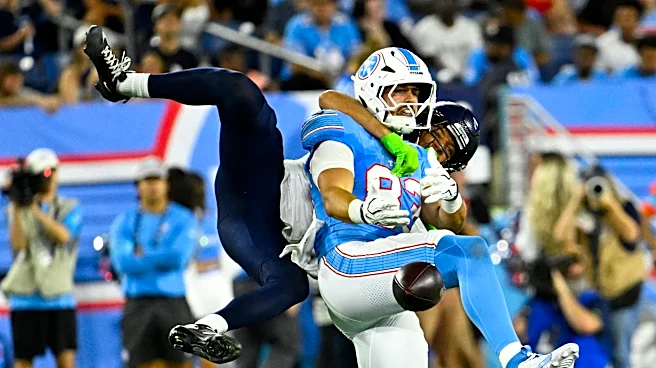
There's the advantage. Vision-focused defenses have more of an awareness of where the ball is and where it's going, making it easier for defenders to break on passes after they're thrown and, potentially, bat away or intercept them. It's a bedrock principle that defines Saleh's scheme, and one that makes it sound like everyone should always want to prioritize vision over match.
Of course, it's not that simple. The tradeoff here is that match coverage is a lot tighter. As Titans cornerbacks coach Tony Oden explains, a match emphasis allows DBs to play closer to receivers. Those tight windows make it harder for quarterbacks to find open receivers and forces the quarterbacks to pick individual receiver-versus-DB matchups they feel they have jump-ball advantages in. By contrast, vision-focused DBs allow more cushion ― or "looseness" as Oden calls it ― between them and receivers and need to rely on instincts and break speed to close on passes more often.
There's also more information to process in vision defenses. Say there are three receivers on your side of the field as a vision zone defender. You have to track through progressions from innermost to outside-most receiver in much the same way a quarterback does. Whereas a match defender gets to follow a man and stick.
Oden, who was the Titans' cornerbacks coach under former defensive coordinator Dennard Wilson in 2025 but also coached under Saleh previously in New York, has taught both philosophies and knows what his players are going through amid the transition.
"It’s not like you’re teaching something totally foreign," Oden said. "Now how you get to cover those things might be a little bit different. The footwork might be a little bit different. And that’s where the challenge comes in. It takes a little bit of time to get the guys comfortable learning the different reads. ‘If two does this, then I do that.’ There’s little nuances in it.
"Some of the terms I had last year are some of the terms I used in past lives and some of the terms I use right now. It’s probably a little less learning from a verbiage standpoint because of some of the stuff I brought already. Now for the new guys coming in here, the challenge is for them because they’re totally new to the system for the most part."
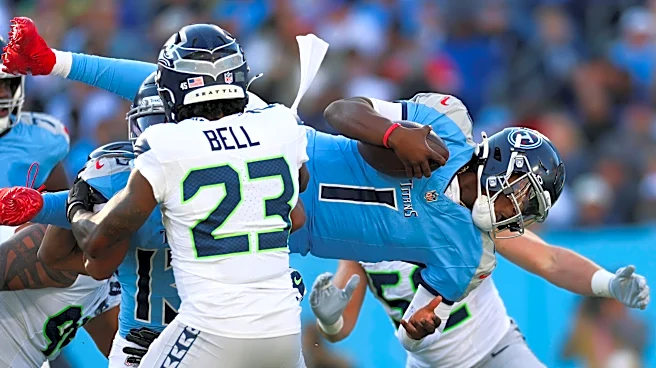
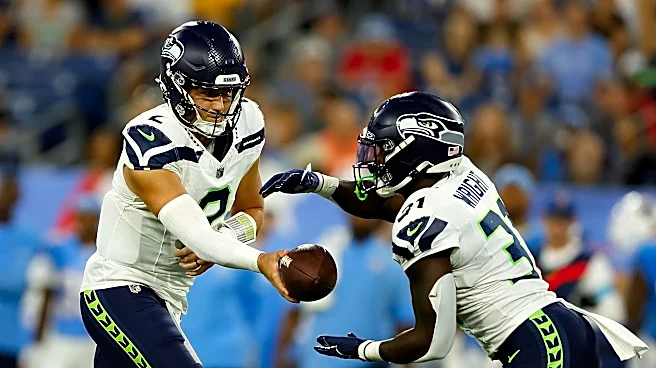
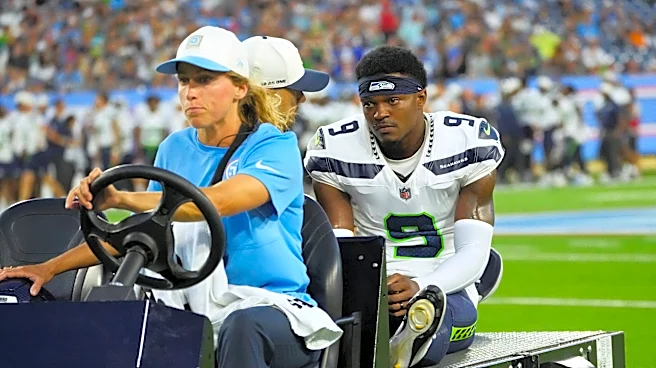
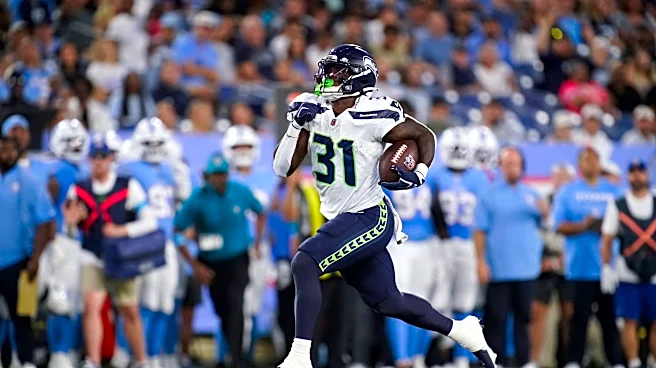
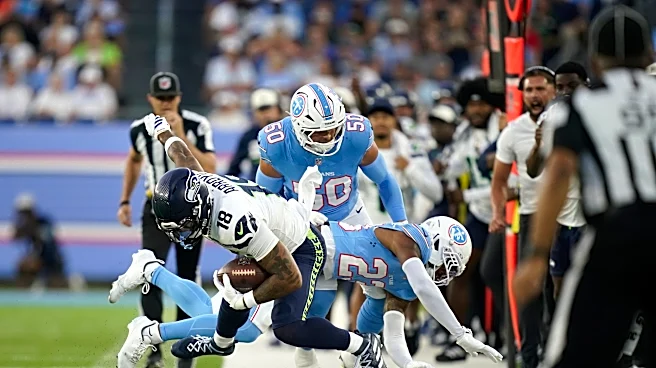
A lot of these conversations stemmed from a mistake made in coverage that allowed a long Seahawks touchdown pass in Week 2 of the preseason. Saleh, at the time, said he was pleased the mistake happened, because now his DBs have an example of why their keys and communication are so important in a vision scheme. Oden, Manuel and nickels coach Dalton Hilliard echoed that idea, and agreed that a focus on correcting mistakes such as those translated to a renewed focus on the base concepts in the practice that followed.
"You don’t want it to happen at all, but when it does happen in a game, you’ve got an answer to that test," Oden said. "Someone just gave you some answers. You’ve got a quiz the next week and they just gave you the answers. So I get excited because they’re going to try that and they’re going to move it a certain way, but we’re ready for it."
Nick Suss is the Titans beat writer for The Tennessean. Contact Nick at nsuss@gannett.com. Follow Nick on X @nicksuss. Subscribe to the Talkin’ Titans newsletter for updates sent directly to your inbox.
This article originally appeared on Nashville Tennessean: Titans defense 101: Translating Robert Saleh's match, vision talk | Exclusive