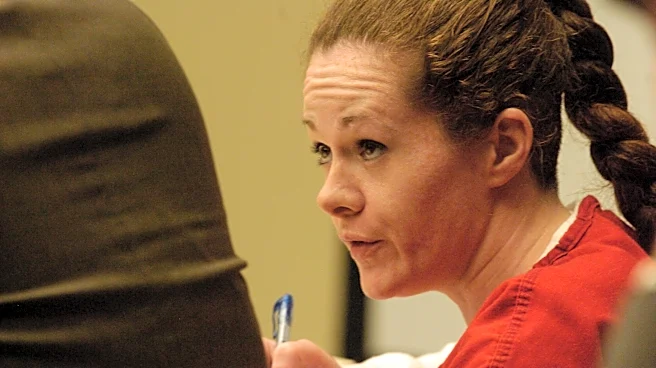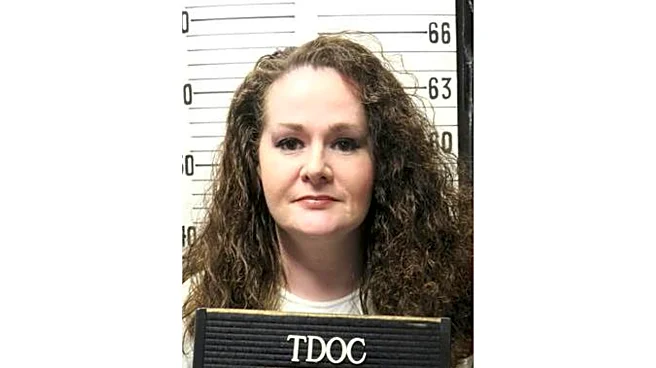






Christa Pike drank plenty of fluids, including Gatorade, and ate food ahead of her attempted execution on Sept. 30, according to her legal team and representatives of the Tennessee Department of Correction. Her meals included a tray of food brought personally by the warden at Riverbend Maximum Security Institution, where she was being held.
Online speculation has circulated that Pike's veins may have been difficult to access due to dehydration and fasting, but her legal team said that couldn't have been the case.
Cameron Sexton, speaker of the Tennessee House of Representatives, appeared on SuperTalk 99.7 on Oct. 5 to discuss the failed execution and said the issue "goes back to" the canceled execution of Tony Carruthers, "when the individual
did not want to eat or drink, and they were dehydrated, and that became a problem."
"I'm hearing that was the case this time," Sexton said, referring to Pike.
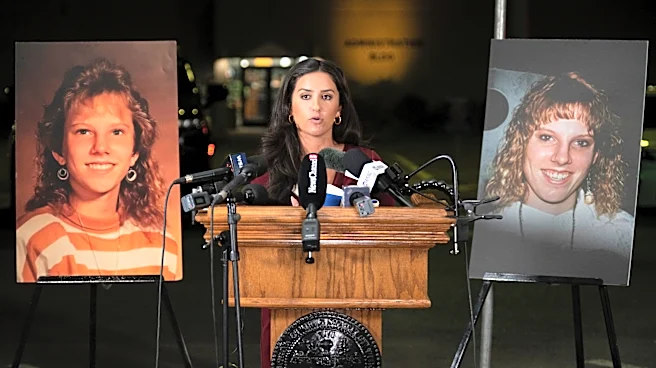
Pike was sentenced to death for the 1995 murder of 19-year-old Colleen Slemmer in Knoxville. She was set to be executed by lethal injection but survived two doses of pentobarbital before being rushed to a local hospital when the execution was called off.
Pike's attorneys were allowed to visit with her in the days leading up to her scheduled execution, which is customary under Tennessee's death penalty protocol. Inmates are also allowed a certain amount of money to be spent on a special last meal.
According to Pike's attorneys, she wanted that money to instead be spent on buying pizza for the homeless in downtown Nashville. But just because she declined the special meal doesn't mean she refused food and water, her legal team said.
Representatives of TDOC confirmed Pike ate and drank before her execution was scheduled to take place.
According to a court filing from Pike's attorneys Oct. 2, the IV team used at least seven needles before they were able to establish vein access during the execution process. At one point, the filing said, Pike advised the team where to try to find a vein and place the IV catheter.
Pike's legal team argued months earlier that her veins would be difficult to access due to a blood condition and her small veins. They also argued that the TDOC lethal injection protocol violates the Eighth Amendment to the Constitution because it lacks a contingency plan and on-site medical services in the event of a botch.
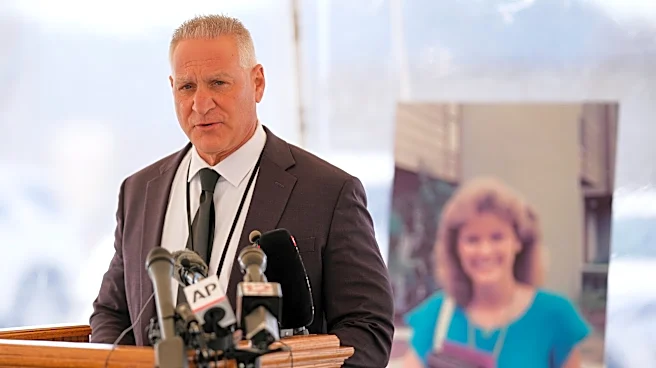
"Our predictions are downplayed," said Stephen Ferrell, an assistant defender with Federal Defender Services of Eastern Tennessee, during a video news conference on Oct. 1. "And yet they continue to come true."
Molly Davis covers growth and development in Nashville and assists with special projects. You can email her with comments, questions and tips at mmdavis@tennessean.com.
This article originally appeared on Nashville Tennessean: Christa Pike ate, drank normally ahead of failed execution, lawyers say