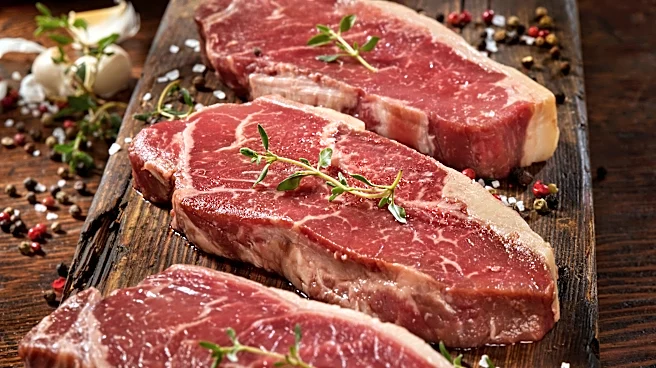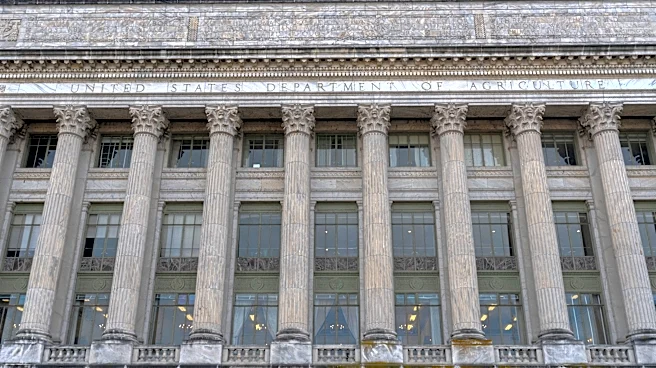






Over 80 tons of raw meat will be taken off store shelves after being falsely labeled, according to a Sept. 22 release from the U.S. Department of Agriculture, marking the latest in a string of nationwide food recalls.
The data shows that so far year, recalls from the the Food and Drug Administration have actually been lower than usual, although fear around food safety is still high.
A Gallup poll in August found that only 53% of Americans feel confident in the government's ability to keep food safe, and in Nashville, some farmers markets reported higher traffic after a cyclospora outbreak in lettuce sold to fast food restaurants killed two people in Michigan.
Does the meat recall affect Tennessee?
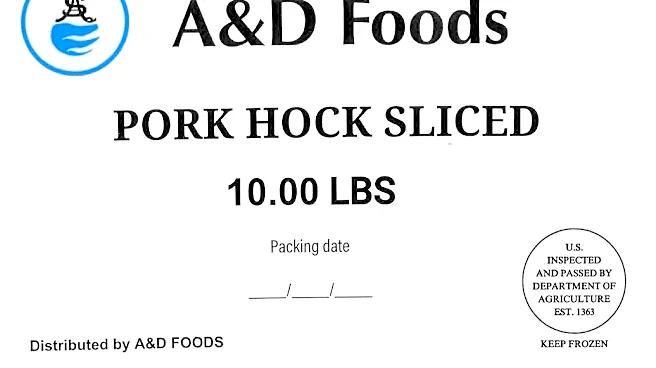
The meat came from Star Meat Delivery Inc., located in North Carolina, and was first flagged
after the USDA's Food Inspection Service identified false marks of inspection, meaning federal regulators had not actually examined it.

The USDA did not name specific states that received the meat but categorized the nationwide recall as Class I, its most severe designation. Consuming recalled Class I products can result in "serious, adverse health consequences or death," according to the USDA's website.
The meat, which bears the false establishment number “EST. 1363”, includes various cuts of goat, beef, and pork.
What other recalls have impacted Tennessee this year?
The high-profile lettuce outbreak in September hit the state directly, but other foods that have put Tennesseans at risk include:
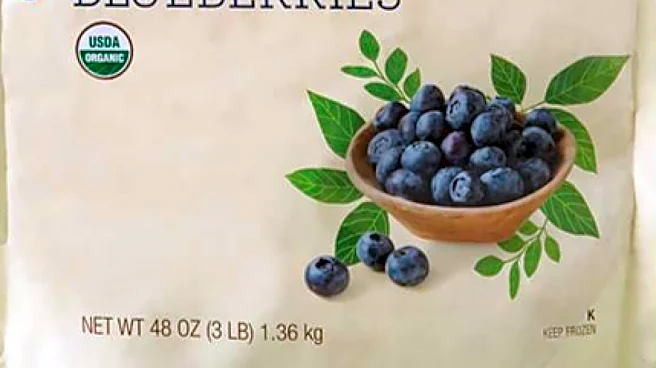
- Frozen Blueberries from GreenWise in July (Class I, E. coli)
- Jalapeños from Taylor Farms in August (Class I, Salmonella)
- Cheddar Bratwurst from Johnsonville, LLC in April (Class I, Possible Foreign Matter Contamination)
- Ready-To-Eat Pasta Salad from Reser's Fine Foods in June (Class I, Misbranding and Undeclared Allergens)
- J. HIGGS Loaded Bacon and Cheddar Potato Chips from Saratoga Potato Chips LLC in September (Class I, Undeclared soy allergen)
- Honey Balsamic Salad Kit from Taylor Farms in August (Class I, Undeclared Sesame and Soy Allergens)
What can Tennesseans do to stay safe?
Consumers should actively check the FDA's and USDA's recall lists before buying food items whenever possible. If a recalled item is purchased and unopened, it can often be returned to the store for a refund, according to the FDA. If that's not possible, the agency recommends wrapping the contaminated item in a plastic bag, throwing it in the trash, and washing any surfaces it may have touched.
If you believe a recalled item has made you sick, contact a healthcare provider and tell them your symptoms. The FDA also encourages consumers to report illness caused by these items by filling out an electronic form.
This article originally appeared on Nashville Tennessean: 167,000 pounds of pork, beef recalled. Did it come to Tennessee?