







Gallatin, already home to one of Tennessee's largest data center investments, is moving forward with a six-month pause on new data center applications while city officials study how the rapidly growing industry should be regulated.
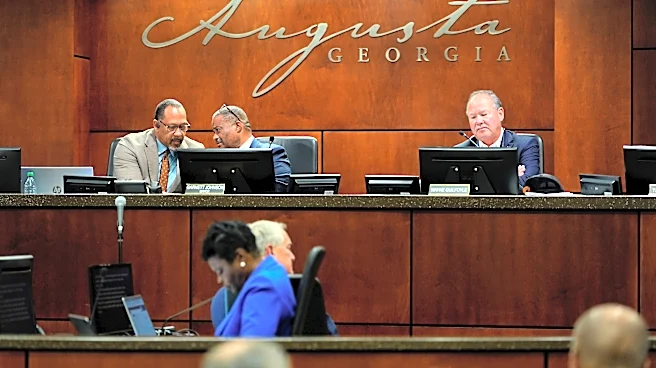
The Gallatin City Council advanced the temporary moratorium on first reading Sept. 15. The proposal initially called for a 12-month pause, but council members amended it to six months after Mayor Paige Brown broke a tie in favor of the shorter time frame.
The proposed moratorium comes as communities across Tennessee grapple with a surge of interest from data center developers and questions about their enormous electricity needs, water use, noise and other potential impacts.
Gallatin already has firsthand experience with
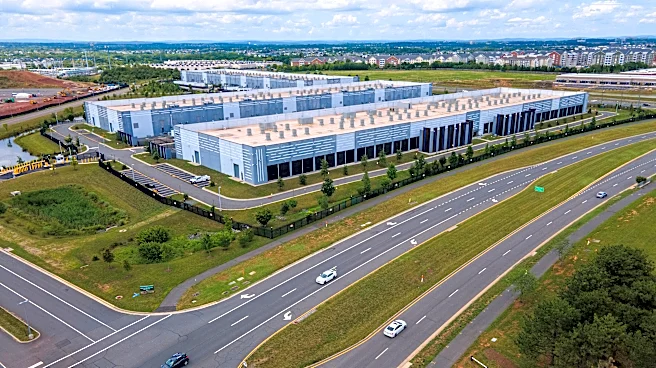
the industry. Meta broke ground on its roughly 900-acre campus in 2020 and has pledged to invest more than $1.5 billion. The data center began serving global internet traffic in November 2024.
The campus used 53.4 million gallons of water in 2025, averaging about 4.5 million gallons per month, according to utility records obtained by The Tennessean. It accounted for about 2% of all water sold by Gallatin Public Utilities during the 2025-26 fiscal year.
And the campus is not yet fully built. When complete, it is expected to include up to 12 data halls and more than 1.5 million square feet of infrastructure and require about 300 megawatts of electricity.

Councilman Pascal Jouvence, who proposed the moratorium, said the city needs time to better understand the potential effects of additional data centers.
"We need to do more digging," Jouvence said. "There is a lot of unknown of what's going on with all types of data centers."
Jouvence raised concerns about water use and the heat generated by servers and questioned how much direct tax benefit Gallatin receives from data centers operating under economic development incentive agreements.
Brown pushed back on singling out data centers, saying Gallatin should scrutinize the infrastructure demands of any major industrial development.
"I just think it's a little shortsighted to act like data centers are this particularly negative impact, where in a lot of ways, they can be a very positive impact," Brown said.
But Brown said she supports clarifying the city's zoning code to account for the wide range of facilities that fall under the data center label, from smaller operations to hyperscale campuses such as Meta.
"All data centers are not equal," Brown said.
Gallatin recently adopted zoning provisions allowing officials to consider a data center's potential effects on surrounding properties and utility systems. Officials said the proposed moratorium would give the city time to further define different types of facilities and determine whether regulations should vary based on their size and operations.
The council also amended the proposal to exclude facilities primarily used for telecommunications, broadband, wireless networks and emergency communications infrastructure.
The measure must return to the council for final approval before the six-month moratorium takes effect.
This article originally appeared on Nashville Tennessean: Gallatin, home to Meta campus, weighs new data center moratorium