







GLP-1 weight-loss injections made by a compounding pharmacy have been recalled nationwide after the pharmacy was warned by the Food and Drug Administration in December 2025 for putting "patients at risk."
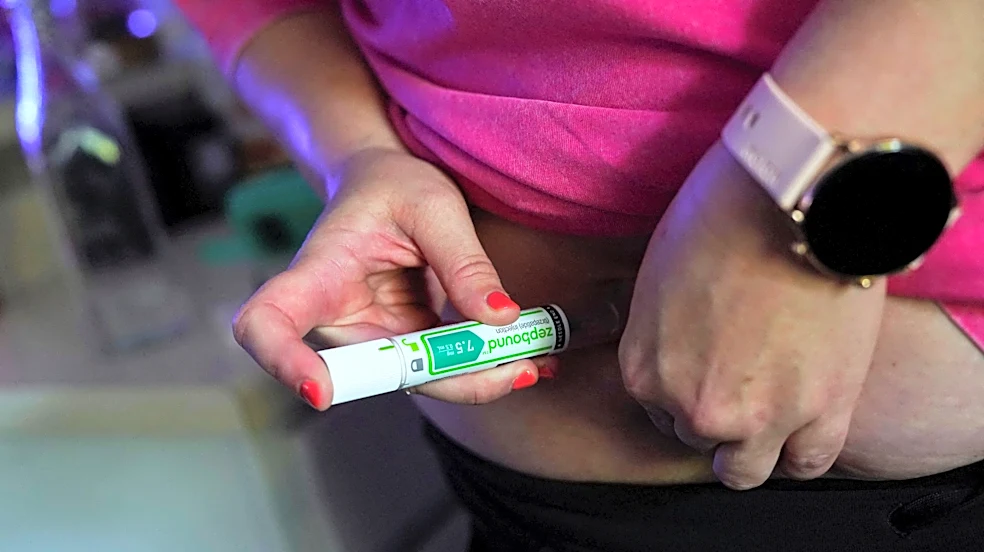
A total of 22 vials of compounded tirzepatide, the active ingredient in popular weight-loss drugs Zepbound and Mounjaro, were voluntarily recalled by Apothecary Pharma LLC on Sept. 24. The FDA later updated the recall on Oct. 10, reclassifying it as a "Class II" recall.
The vials of tirzepatide were compounded injections, meaning they were not name-brand GLP-1 medications and were not FDA-approved. Rather, they were custom medications made by Apothecary Pharma LLC, a compounding pharmacy.
The FDA's 2025 warning alerted Apothecary about what the agency
described as "serious deficiencies in [its] practices for producing drug products intended or expected to be sterile, which put patients at risk," according to the FDA's warning letter.
Here's why the 22 vials containing the popular GLP-1 ingredient were recalled across the country.
What is a GLP-1?

According to the FDA, GLP-1 drugs are weight-loss medications that mimic a naturally occurring hormone that helps regulate blood sugar, slows the rate at which food leaves the stomach and increases feelings of fullness. These medications were initially developed to treat Type 2 diabetes but are now also widely used for chronic weight management.
Common GLP-1 medications include Ozempic, Wegovy and Rybelsus, as well as Mounjaro and Zepbound, which contain tirzepatide.
The drugs have come under intense scrutiny from both medical organizations and the public due to their explosive popularity, widespread off-label use and significant side effects. Side effects of GLP-1 drugs include nausea, diarrhea, constipation and vomiting. In more serious instances, reported side effects have included kidney injuries, pancreatitis, gallbladder problems and vision complications, including rare reports of blindness.
What is tirzepatide and why was it recalled?
The active drug ingredient tirzepatide is part of the broader family of GLP-1 medications that help control blood sugar and promote weight loss. Similar drugs include semaglutide, orforglipron, dulaglutide and liraglutide, according to theRX Index.
The name-brand versions of tirzepatide, Mounjaro and Zepbound, were not pulled from shelves. Instead, the recall involved compounded, non-FDA-approved vials of compounded tirzepatide made by Apothecary.
According to the recall notice, the company voluntarily recalled the 22 vials of the compounded substance because it could not guarantee that the products were free from contamination. The FDA's "Class II" reclassification means the products could cause "temporary or medically reversible adverse health consequences," although the likelihood of serious harm is considered low.
Which compounded GLP-1 injections were recalled?

The following 22 vials of tirzepatide, identified by the lot codes and beyond-use dates are as follows:
- Lot AP-202622, BUD 07-Oct-2026
- Lot AP-202623, BUD 08-Oct-2026
- Lot AP-202624, BUD 19-Oct-2026
- Lot AP-202625, BUD 10/20/2026
- Lot AP-202627, BUD 10/26/2026
- Lot AP-202628, BUD 10/27/2026
- Lot AP-202629, BUD 10/28/2026
- Lot AP-202630, BUD 10/31/2026
- Lot AP-202631, BUD 11/01/2026
- Lot AP-202632, BUD 11/03/2026
- Lot AP-202633, BUD 11/07/2026
- Lot AP-202634, BUD 11/08/2026
- Lot AP-202635, BUD 11/16/2026
- Lot AP-202636, BUD 11/17/2026
- Lot AP-202637,BUD 11/18/2026
- Lot AP-202638, BUD 11/19/2026
- Lot AP-202639, BUD 11/20/2026
- Lot AP-202640, BUD 11/21/2026
- Lot AP-202641, BUD 11/22/2026
- Lot AP-202642, BUD 11/24/2026
- Lot AP-202643, BUD 11/25/2026
- Lot AP-202644, BUD 11/26/2026
What are compounding pharmacies?
Compounding pharmacies, which have become increasingly popular due to the GLP-1 boom, prepare customized medications for individual patients based on a prescription from a licensed healthcare provider. Unlike traditional pharmacies, which sell mass-produced drugs, compounding pharmacies can adjust ingredients and dosages, change a medication's form and remove ingredients that may cause allergies or adverse effects.
Compounding pharmacies have drawn scrutiny because they aren't routinely regulated by the FDA. While compounding pharmacies are generally required to use FDA-approved ingredients, the drugs are not subject to the same approval process as commercially manufactured drugs, according to Harvard Health Publishing.
When there is a drug shortage, the FDA may allow compounding pharmacies to produce medications to help meet patient demand.
Beyond providing customized drugs to patients, compounding pharmacies also provide states with lethal injection drugs, given that pharmaceutical manufacturers have increasingly sought to prevent their drugs from being used in executions, according to Tennessean reporting.
USA TODAY Contributed to this report.
Peter Burditt covers trending news and service journalism for The Tennessean. Contact him at PBurditt@nashvill.gannett.com.
This article originally appeared on Nashville Tennessean: Which GLP-1 weight-loss injections have been recalled? What to know in Tennessee